Bridgestone Equips the New Volta Zero E-Truck at Premiere
1. September 2020Swiss Post Completes Acquisition of notime AG
2. September 2020The Network of European Railways e.V. (NEE) is fighting for fair competition on the rails, especially for freight transport, with a long and clear letter to Margrethe Vestager (EU Commissioner for Competition) and Adina-Ioana Vălean (EU Commissioner for Transport). The NEE sees a clear distortion of competition due to the subsidy of DB by the German government and wants to take action against it.
(Berlin) The federal government and the Bundestag intend to provide Deutsche Bahn AG with up to five billion euros as equity capital this year, justifying this plan with the effects of the COVID-19 pandemic. From the perspective of the Network of European Railways e.V. (NEE), this plan is legally inadmissible under EU law, as it would massively distort fair competition in favor of DB freight transport, regardless of the need to support freight railways affected by COVID. Even during the pandemic, European rules apply that protect entrepreneurial commitments and jobs from arbitrary subsidies.
Severe distortion of competition
The planned capital increase would mean a severe distortion of competition for the freight railway companies represented by the NEE that do not belong to the DB Group. From the NEE’s perspective, it is particularly regrettable that the fundamentally aligned efforts of competitive railways and DB Cargo to shift traffic from road to rail are politically undermined by the disadvantage of competitive railways, thereby jeopardizing the success story of competition (doubling of rail freight transport since the mid-1990s). German transport policy must be questioned on how it intends to credibly increase the market share of rail in freight transport under these conditions.
The complete letter from the NEE in full
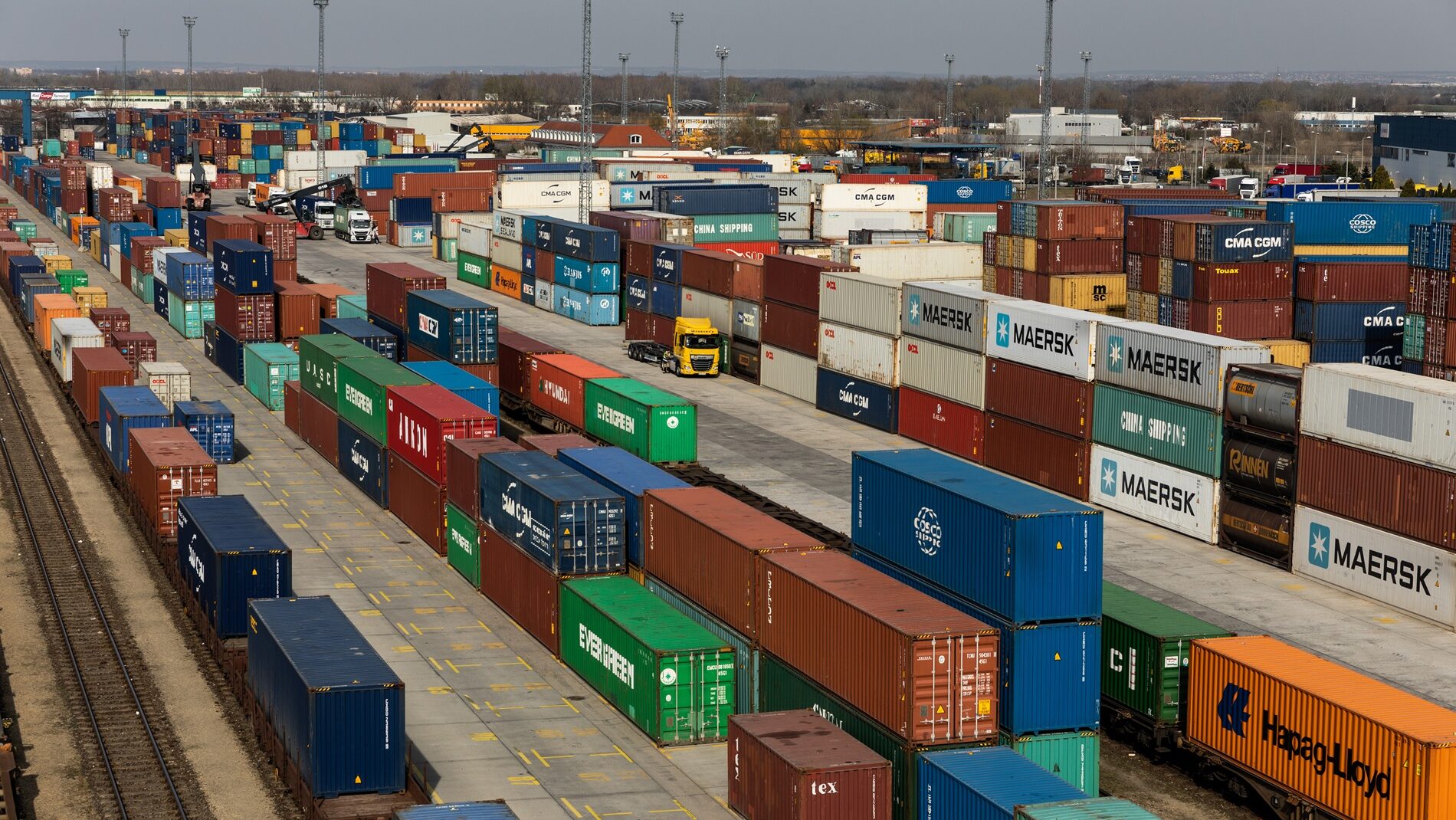
Photo: © NEEwww.netzwerk-bahnen.de
Comment by Andreas Müller
The biggest disadvantage for free competition on the rails is that most countries have not separated the infrastructure (in the case of Germany, this is DB Netz) from the operational operation of passenger and freight transport. Although these are legally independent companies, they are still under one roof. Especially in the case of corona subsidies, one could invest in a neutral infrastructure company, and no one would have to discuss distortion of competition. Thus, there always remains the suspicion of cross-subsidization at the expense of private railways, whether in passenger or freight transport.