GREIWING continues to grow and acquires SEPARATION AG
20. October 2020DACHSER Repeats Charter for Peak Season and Creates Capacities
20. October 2020Bitkom e.V. examined the degree of digitization in a goods transport from Bremerhaven to Vancouver, Canada. While six out of ten logistics documents are now machine-readable, there is still significant potential. Logistics must overcome silo thinking in digitization.
(Berlin) – Logistics is on the way to a fully digital supply chain. However, those transporting goods internationally over longer distances using different modes of transport such as trucks, trains, or ships are still confronted with a multitude of documents that are only partially machine-readable and follow different standards.
Use of digital and analog documents
To illustrate the opportunities of digitization for the transport chain, the digital association Bitkom conducted an elaborate practical experiment tracking a container from the manufacturer in Germany via Bremerhaven and a stopover in Sines (Portugal) to Vancouver (Canada) using digital technologies such as GPS trackers and data platforms. At ten points, documents were exchanged, six of which were provided in electronic and machine-readable form. Seven were exchanged in physical form, either on paper or in an electronic format like PDF, which is primarily easy for humans to read and only partially suitable for data processing. At three points, documents were provided in both formats. “Logistics is already heavily relying on digital technologies, but silo thinking still prevails too often.
It is worthwhile to share data
Often, IT systems run in parallel, and a complete data exchange is omitted,” says Florian Lange, Trade and Logistics Advisor at Bitkom. “With the logistics experiment, we want to demonstrate that it is worthwhile to exchange and share data and where there are still practical hurdles.”
On one hand, the companies involved in logistics are called upon to ensure that documents and data can be transmitted to the IT systems of partners without intermediate steps. But authorities must also create the necessary conditions, for example, by accepting electronic freight documents everywhere.
88% of respondents support digital freight documents
According to a Bitkom survey from last year, the vast majority of companies that transport goods (88 percent) state that it would help them if a digital version of freight documents were recognized in the future. “Technological developments such as blockchain or artificial intelligence enable completely new applications in logistics when the data generated is available digitally and in a form understandable to IT systems. Data platforms like those used in the Bitkom experiment can provide all participants with even better real-time insights into the shipping process,” says Lange. “In light of the development of digital currencies, there is also the opportunity to process payments through such a modern logistics infrastructure in the future.”
Retail Conference on November 27, 2020
The results of the logistics experiment will also be presented and discussed at the Bitkom Retail Conference, which takes place on November 27 as part of the first Digital Transformation Week. All details are available online at: transformation-week.de/retail
The results of the “Bitkom Experiment: Digital Supply Chain” are also available online as a white paper along with an explanatory video and further background information at: www.bitkom.org/Themen/Digitale-Transformation-Branchen/Logistics-Supply-Chain/Digital-Supply-Chain-Experiment
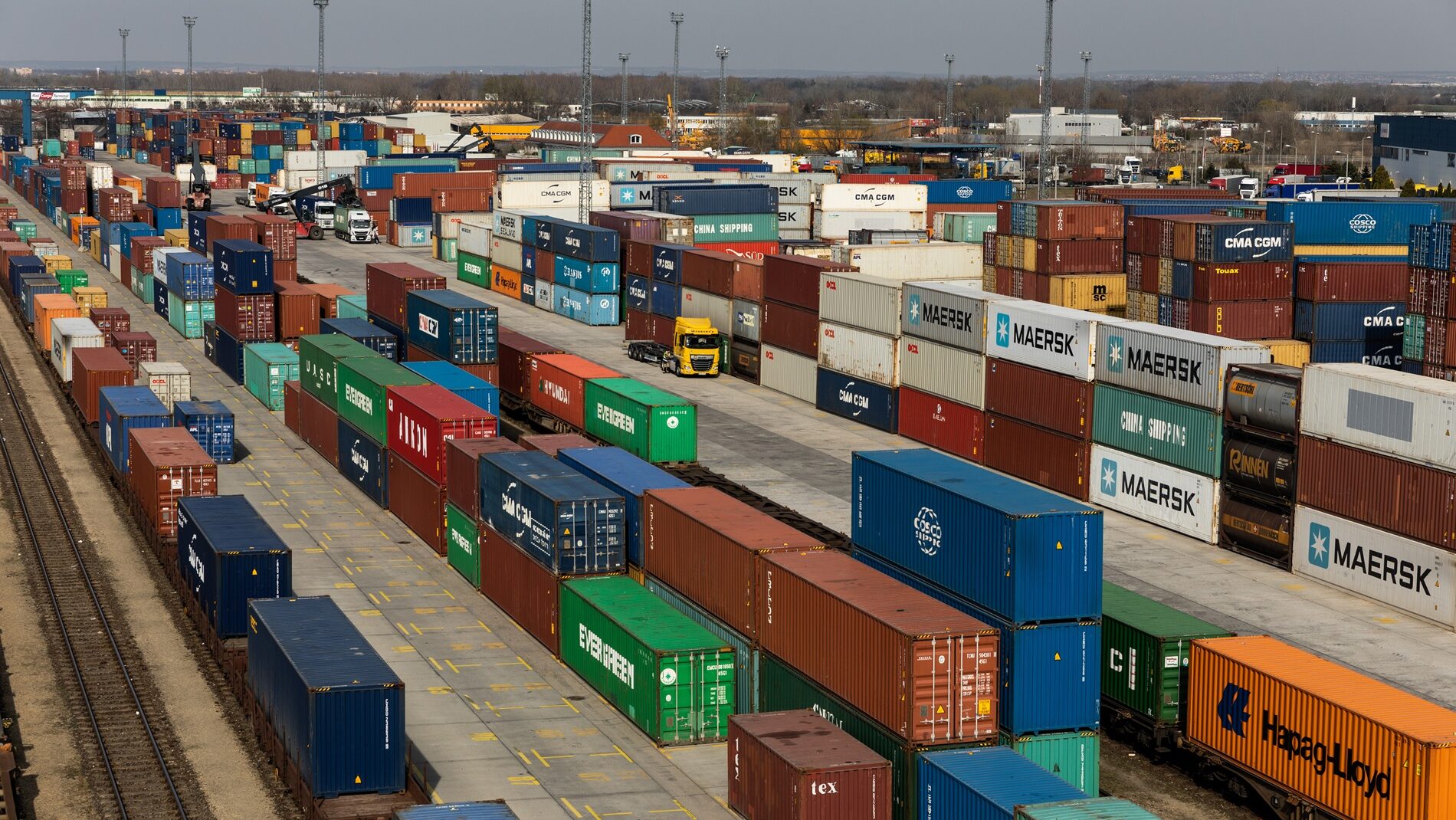
Photo: © Loginfo24 / Image caption: The Port of Vancouver