Hellmann Establishes New Locations in Oman and Egypt
Mar 24, 2021 at 3:34 PMSwedish Gastro Specialist Martin & Servera Relies on TGW
Mar 24, 2021 at 4:09 PMThe financial service provider for logistics, JITpay GmbH, sheds light on the logistics industry from the perspective of investors. The purchase prices for transport and logistics companies fell worldwide last year. At the same time, ports and warehouses seem to be becoming increasingly attractive to investors due to the boom in e-commerce and uncertainty in supply chains.
(Braunschweig) The pandemic has further intensified this trend: Even before the outbreak of Corona, transport infrastructure targets were popular among investors worldwide. Even now, in economically uncertain times, ports and terminals remain particularly attractive targets for investors. They are considered a long-term investment with stable returns. Additionally, there are frequent bottlenecks in the availability of terminal capacities, which further increases the attractiveness of these targets from the investors’ perspective. The largest deal of the first half of 2020 also involved infrastructure assets: Port & Free Zone World announced it would acquire the remaining stake in DP World Ltd, one of the largest port operators in the world, for $2.72 billion. DP World is thus returning fully to private ownership and getting closer to its goal of becoming an infrastructure-led end-to-end logistics provider.
Acquisitions and Collaborations Will Increase
Overall, the financial pressure under which many transport and logistics companies operate, along with further consolidation of freight forwarders, especially in the fragmented logistics sector, will revive M&A activities and collaborations in the medium term, summarizes the “Transport and Logistics Barometer,” in which PwC examines current developments in the transport and logistics industry. The report recorded global M&A activities, joint ventures, and strategic alliances in the transport and logistics sector between January 1 and June 30, 2020. All mergers and acquisitions with a volume of $50 million or more were considered. A transaction is classified as a mega-deal starting from a value of $1 billion. “As a downstream industry, the transport and logistics sector is heavily dependent on how quickly other industries recover from the crisis and ramp up their production again,” explains Ingo Bauer, head of the Transport & Logistics division at PwC Germany.
Logistics Proves System Relevance
Aircraft remain grounded, container ships in port, and many factories temporarily reduced their production: According to a PwC analysis, gross value added in European freight transport and logistics fell by 8.6 percent in 2020 and is slowly recovering in a U-shaped scenario. “Due to the Corona pandemic, many companies in the transport and logistics sector are in crisis mode. The question now is how quickly the industry can recover. Digitalization and innovations will play a central role in this,” states Bauer. Freight transport and logistics felt the effects of the pandemic due to border closures, declining demand, and production stoppages to varying degrees, depending on the goods they transport and the industries they specialize in. While the food industry, for example, was little affected by the Corona crisis, the pandemic hit the automotive industry relatively hard.
System Relevance of Logistics Proven
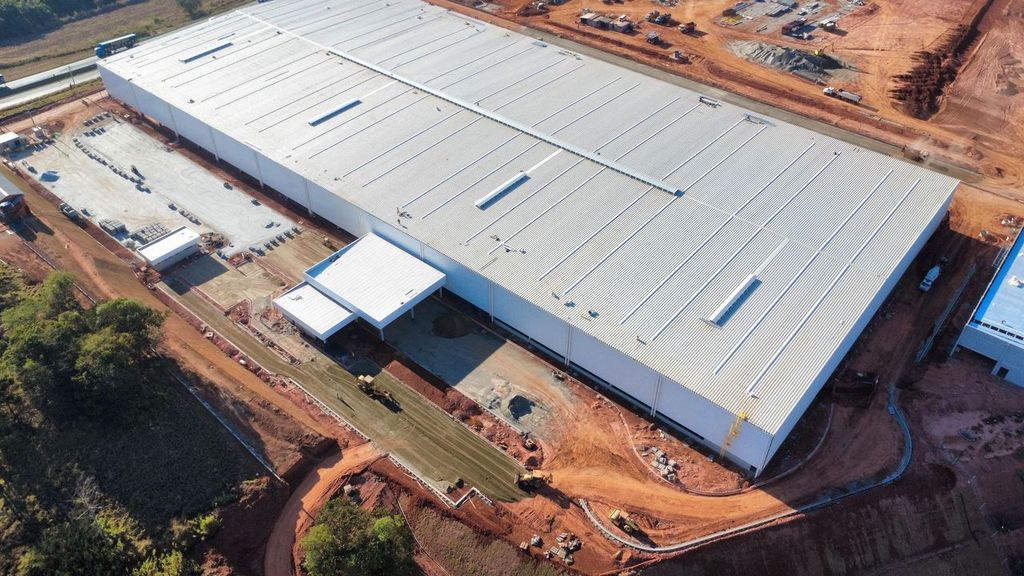
And after some supply chains were temporarily interrupted due to the Corona pandemic in 2020, a large part of the logistics sector managed to overcome the challenges in operational business on their own. “Especially courier, express, and parcel services benefit from online trade during the pandemic and are experiencing a real boom in the private customer business. Consumers will increasingly use e-commerce even after the crisis, and growth will continue, although not as strong as in 2020,” explains Bauer. One thing is certain: logistics chains continued to function despite restrictions, and the supply of essential goods was always ensured. The crisis has proven the system relevance of the industry. Looking at the deal activity, the logistics and trucking sub-sector remains the most active segment of the industry – with two focal points: On the one hand, warehouses are becoming increasingly important. The fear of contracting the Corona virus in retail and temporary store closures have further fueled e-commerce. At the same time, the significance and success of logistics platforms are increasing.
Photo: © JITpay
www.jitpay.eu