


The German Logistics Award 2021 goes to DB Cargo
21. October 2021
Gebrüder Weiss Wins the Hermes Award from WKO
22. October 2021
Rising transport costs are increasingly worrying supply chain operators. Nevertheless, the transaction volume across the T&L sector has remained relatively constant during the pandemic. One possible explanation is that the sector is already operating at its breaking point. Prices may be rising, but the actual volume of goods transported is not.
(San Francisco) Global orders have skyrocketed since the beginning of 2021. However, in the third quarter, the order volume fell sharply, similar to the first lockdowns in early 2020. Given the significant increase in orders in the second quarter, some correction seemed inevitable. But the sharp decline in the third quarter indicates broader changes than expected. This is shown by the data from the current Index of Global Trade Health by Tradeshift.
The index examines B2B transactions (orders from buyers and invoices from suppliers) made through the Tradeshift platform. The report is now based on an improved index model that compares quarterly trade volumes with those of previous years. The index is based on a baseline value of 100. A value above 100 indicates growth above the trend compared to medium-term seasonal trends. A value below 100 indicates growth below the trend.
Corporate surveys in the USA, the United Kingdom, and the Eurozone illustrate that order activities are slowing down as delivery times extend, bottlenecks worsen, and raw material prices rise. The data from the Index of Global Health by Tradeshift for the third quarter of 2021 shows that the cumulative growth of order volume has fallen by 24 points globally compared to the previous quarter. An index value of 85 in the third quarter indicates that the order volume is 15 points below the level that Tradeshift had predicted for the pre-pandemic period.
Volatility: The New Normal for the Eurozone?
According to the index, the number of new orders in supply chains in the Eurozone has alarmingly decreased in the third quarter. With a value of 74, the order volume is significantly below expectations towards the end of 2021.
The invoice volume rose significantly in the third quarter, a consequence of the high order volume in the previous quarter. If this trend continues, the bottlenecks in the supply chain could gradually resolve. The discrepancy between invoices and orders is currently the largest in the Eurozone compared to the global average.
Massive Problems in Order Fulfillment
According to global index data, suppliers are struggling to fulfill the high order backlog due to the ongoing demand surge. The global invoice volume, which indicates how quickly suppliers fulfill orders, rose more slowly than expected by 5 points and remains 31 points below pre-pandemic forecasts.
“The discrepancy we see between orders and invoicing is a sign of massive problems in order fulfillment in global supply chains,” says Christian Lanng, founder and CEO of Tradeshift. “Buyers are beginning to question the rationale for new orders. The longer this situation persists, the more likely a prolonged downturn will occur into 2022.”
Imbalance Slows Down Recovery
According to the Index of Global Health by Tradeshift, the current imbalance is slowing down the recovery that is booming at key supply chain hubs. The growth of transaction volume in the USA fell to 98, compared to a value of 108.5 in the second quarter. In China, the transaction index dropped to 96, a decrease of 2 points compared to the previous quarter. Activity in the Eurozone’s supply chains increased by 0.5 points in the third quarter. However, an index value of 82 indicates that there is still a long way to go before activity normalizes compared to the pre-pandemic period.
Viewing Every Supply Chain as Part of the Ecosystem
“We need to start seeing every supply chain as part of a larger ecosystem,” Lanng continues. “Technologies that connect buyers and suppliers virtually are crucial. They help alleviate the pressure that builds up during volatility cycles. I see enormous potential mainly in two areas. The first is digitized financing to unlock trapped working capital. This gives suppliers an incentive to hold more inventory. And the second is dynamic online B2B marketplaces that can intelligently bundle capacities in the supply chain and adjust them to areas of high demand.”
Q3 Index of Global Trade Health
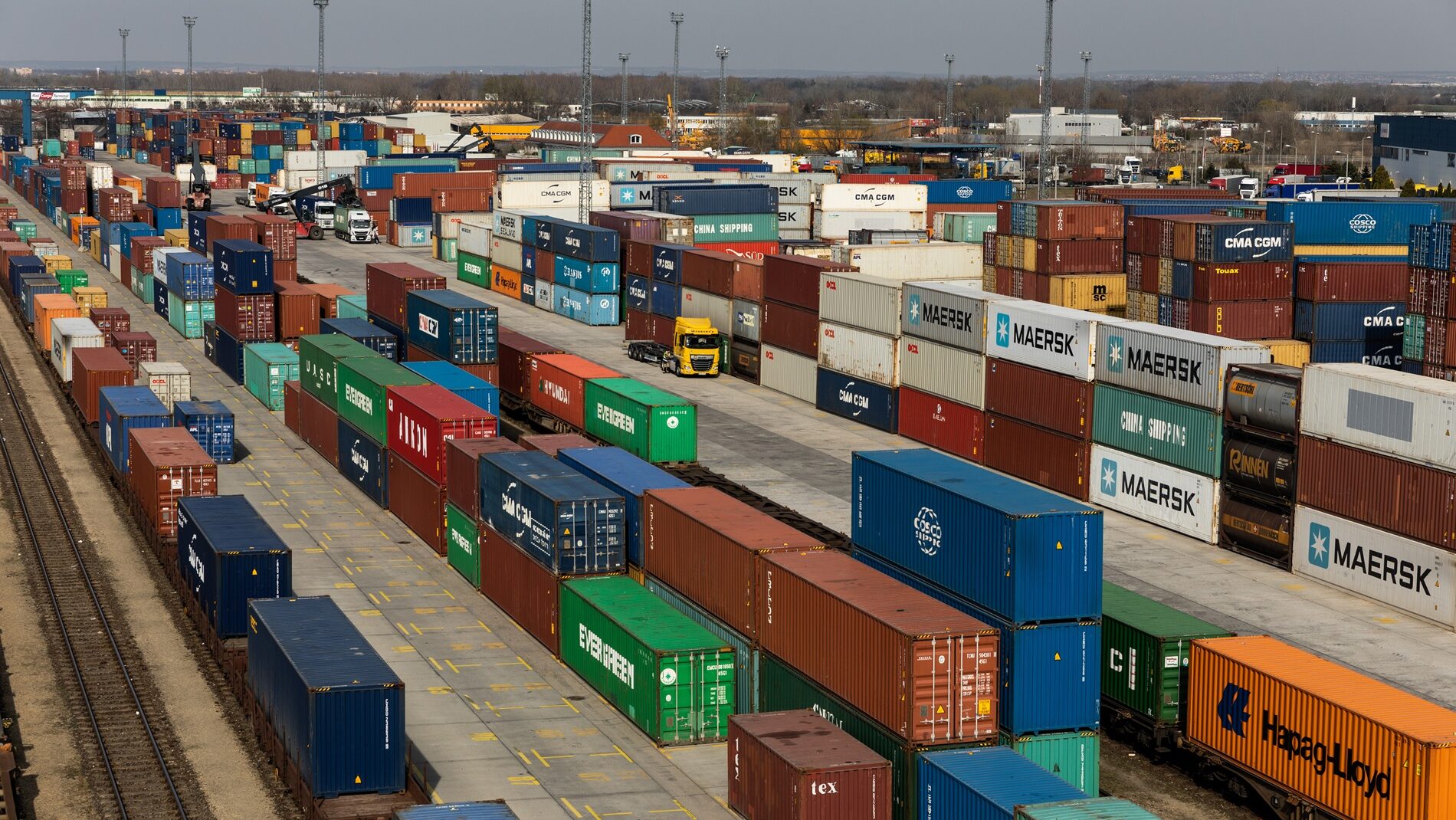
Photo: © Loginfo24/Adobe Stock