Gebrüder Weiss achieves climate neutrality with “zero emissions”
Nov 2, 2021 at 4:52 PM
Customs Support Acquires Balimpex in Switzerland
Nov 2, 2021 at 4:54 PM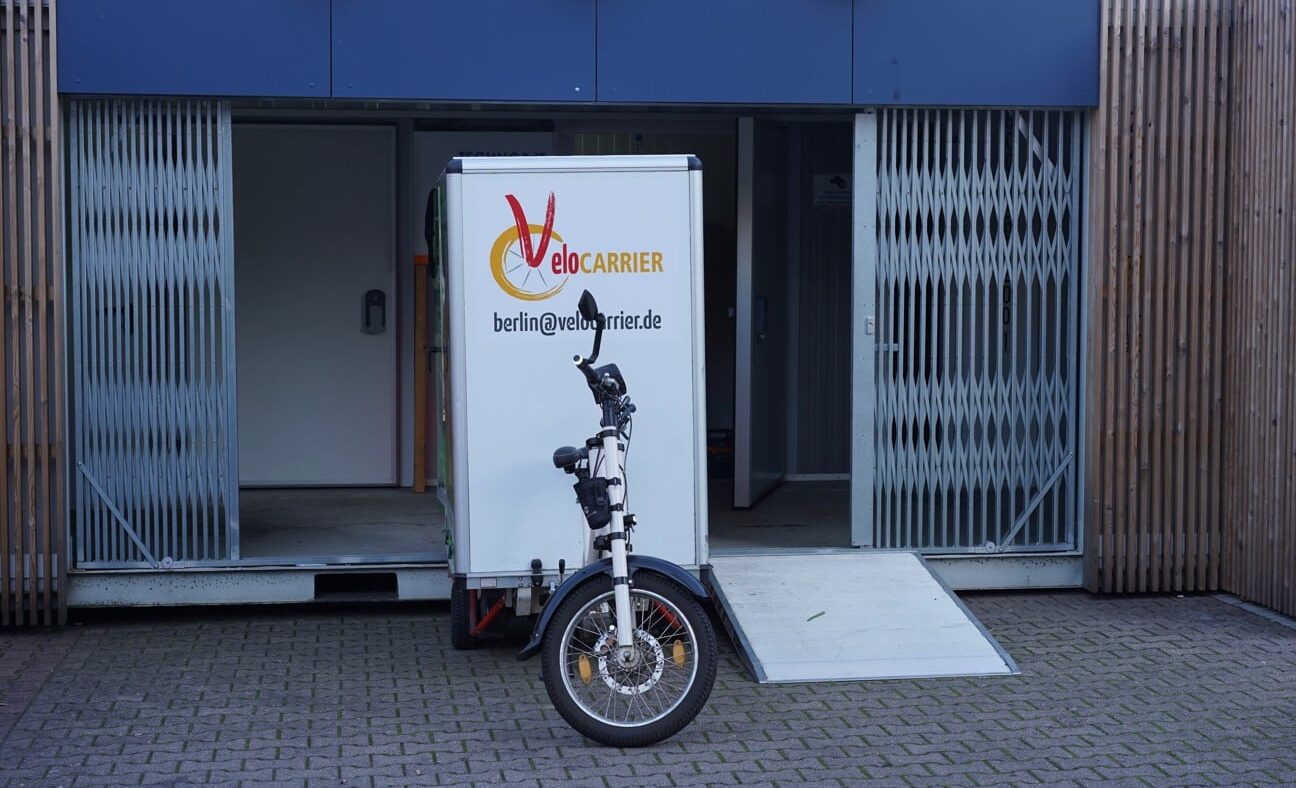
The transport of goods and people for business and service purposes is a prerequisite for a functioning economy. The Swiss population benefits from this daily: the shelves in stores are stocked, waste is disposed of, and packages with online-ordered clothes are delivered to homes. However, this also puts pressure on traffic, society, and the environment. The federal government has today published a foundational study on this topic.
(Ittingen) The transport infrastructure in Switzerland is increasingly under strain. The pressure is particularly felt in urbanized areas of the agglomerations and their transport networks: trams, delivery vans, pedestrians, and taxis all use the limited road space simultaneously. Societal and technological trends are exacerbating this development. For instance, the population is ordering more and more goods online. Consequently, the supply and disposal on roads and railways in urban areas is becoming more challenging.
However, a differentiated view of what economic traffic actually encompasses has been lacking until now. The Federal Office for Spatial Development (ARE) has therefore developed a foundational study in collaboration with the Federal Offices for Roads (ASTRA), Transport (BAV), Environment (BAFU), and Energy (BFE). This study indicates that the dialogue between authorities and the economy should be intensified, for example, regarding whether economic traffic should be regulated or even prioritized to improve traffic flow. The federal government intends to focus more on this issue in the future and contribute to the effective functioning of economic traffic with its instruments.

Definition and Systematization of Economic Traffic
The study focuses on economic traffic on the road because, in urban areas, rail plays a lesser role in fine distribution. Economic traffic refers to the transport of goods and people that occurs for business or service purposes. The focus is on supply and disposal services for companies in trade, commerce, and industry, or for public services. Economic traffic on the road accounts for about 16.5 percent of total road traffic.
Traffic for business purposes includes all trips made by private companies, while traffic for service purposes includes trips made by the public sector. The commute of employees to their workplaces does not fall under this category. Economic traffic encompasses the transport of goods and people as well as service traffic from, for example, delivery vehicles from logistics companies or craftsmen, taxi companies, or bicycle courier services.
Photo: © Loginfo24/Adobe Stock
Further Information
https://www.are.admin.ch/are/de/home/mobilitaet/strategie-und-planung/wirtschaftsverkehr.html