Platform Economy – The Game Changers Are Already Among Us
17. November 2021
BVL publishes position paper with recommendations to politics
17. November 2021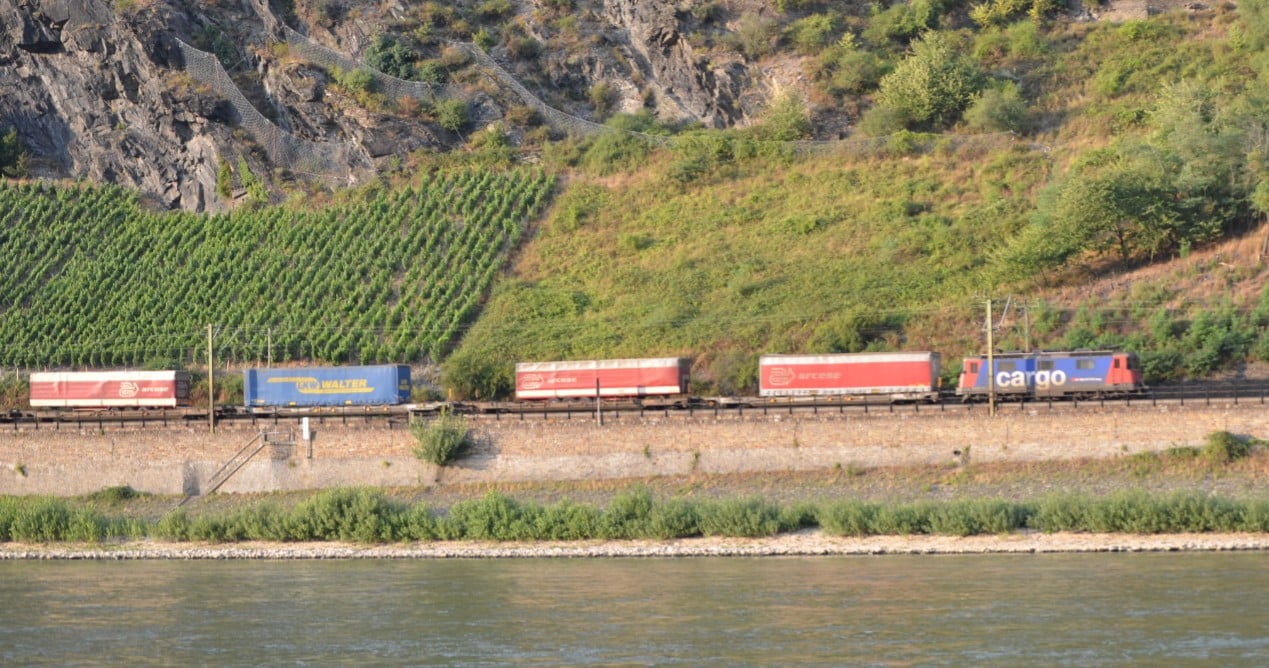
The climate conference calls for swift and concrete actions. The organization Shift2030 urges shippers to share their transport flows now to enable attractive offers on the rail. However, this cannot be enforced, especially since the railways would not be able to handle a large-scale shift to rail.
(Berlin) The demand from the recently concluded World Climate Conference is clear: concrete measures must now be implemented quickly to significantly reduce greenhouse gas emissions by 2030. This also applies to the transport sector, which has been missing climate targets for 30 years. To save significant CO2 here, there is no way around rail freight transport. With 80% fewer emissions compared to diesel trucks, rail is a true climate protector. Furthermore, CO2 emissions from freight transport can be immediately reduced by using rail. The technologies are already available – unlike electric or hydrogen drives.
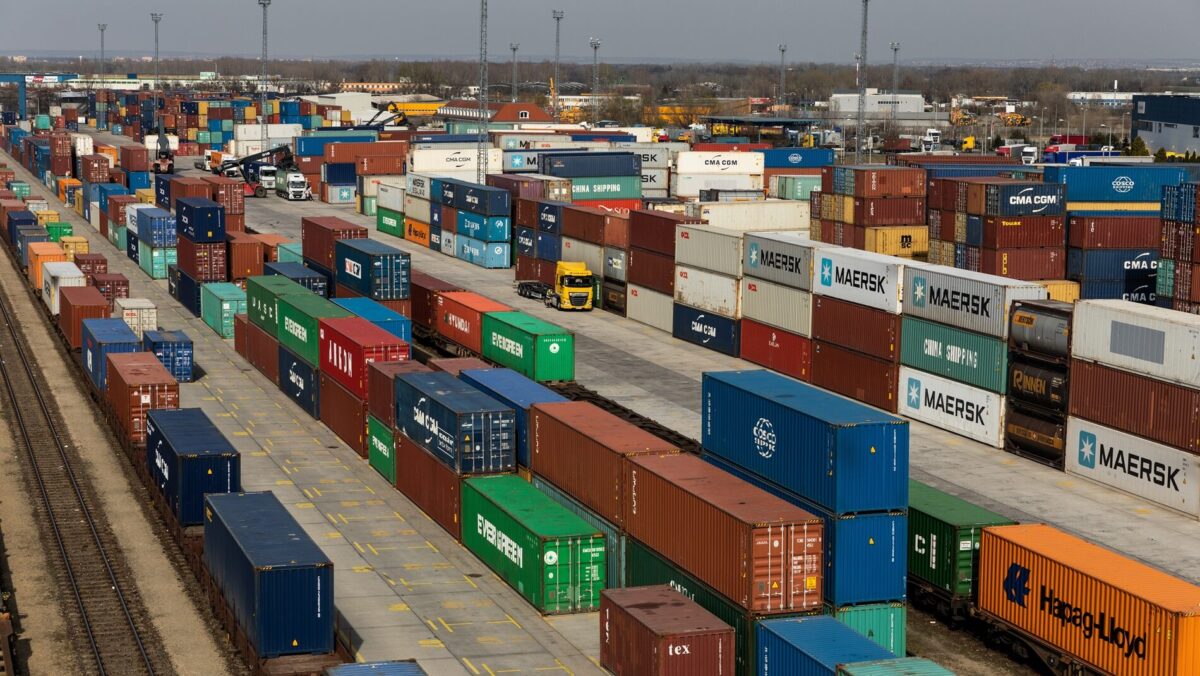
However, an attractive transport option on rail requires a critical volume of shipments. To operate a freight train cost-effectively, a transport volume of at least 30 trucks is necessary. Even for large shippers and logistics companies, this is a tremendous challenge. Therefore, the key to efficient and climate-friendly rail transport lies in bundling shipments.
Shippers Must Be Willing to Share Transport Flows
The initiative Shift2030, in collaboration with partner digi-trust.eu, has introduced the innovative and neutral IT platform ‘MATCH2RAIL’, where shippers can easily upload their transport flows (door-to-door) into a database. “By providing the transport flows from shippers, we are able to bundle quantities and achieve the critical mass needed to establish more efficient connections on climate-friendly rail,” says Sebastian Ruckes, board member of the Shift2030 initiative.
Thus, industry and trade can create an attractive offer on climate-friendly rail themselves. However, it is crucial that shippers are also willing to share their transport flows. “Industry and trade have the power to strengthen rail transport, thereby meeting the demands of the climate conference as well as their own climate goals,” Ruckes adds.
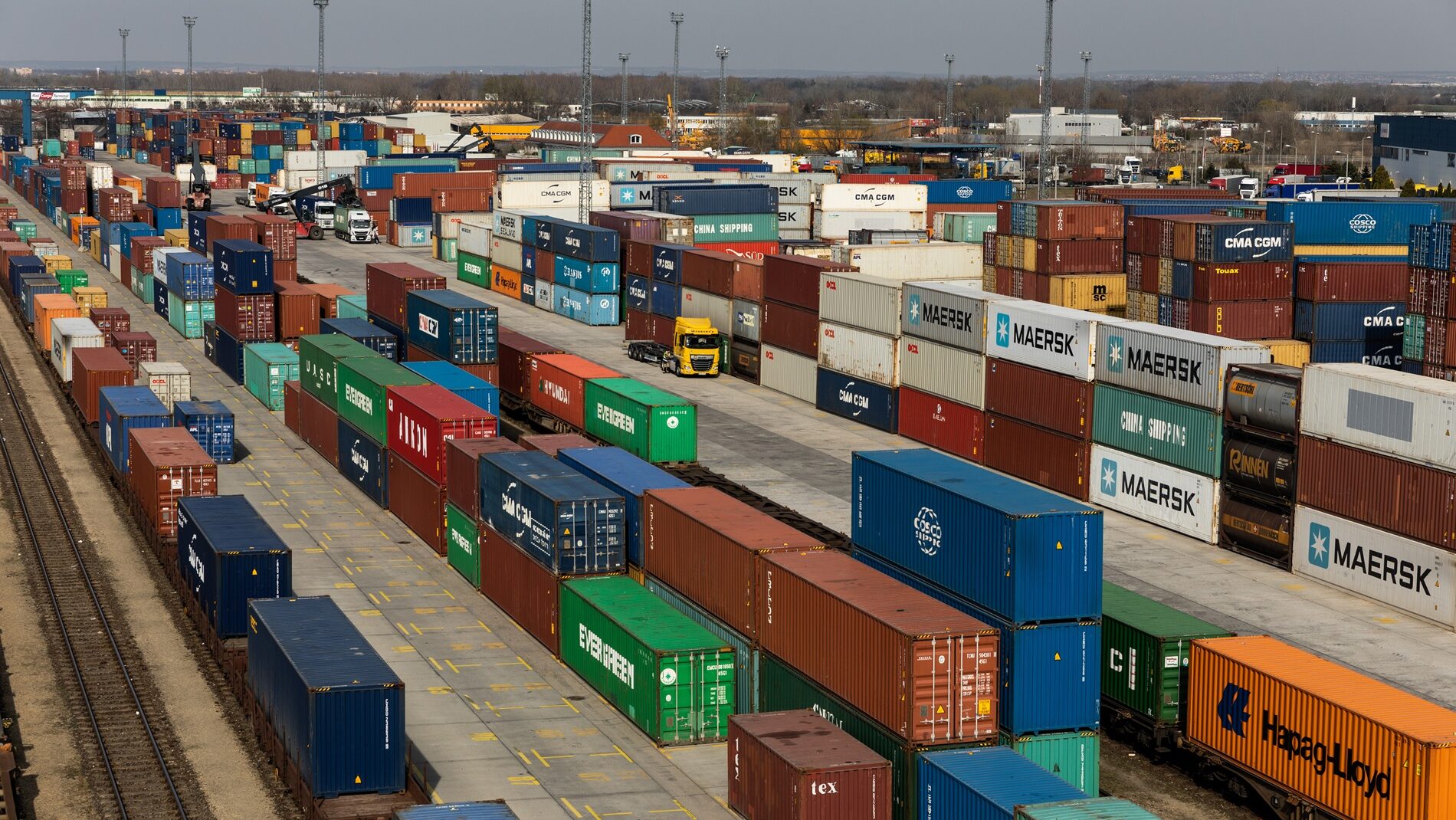
Photo: © Loginfo24
Comment by Andreas Müller: Initiatives like Shift2030 are needed in logistics to stimulate certain changes from the daily routine. However, what the organization (in formation) does not take into account is the fact that, despite the willingness of shippers and freight forwarders, the railways are still not capable of handling the shift from road to rail.
There is neither sufficient rail infrastructure nor enough available slots on existing rail routes for freight traffic. The combined transport of rail and road is also subject to these laws. In this mode of transport, it is necessary to use the road at both the beginning and the end, often leading to empty runs or detours. Freight forwarders and transport companies have long been using rail where it makes sense. However, often the issue is not the price but the service.
To bring more goods onto the rail, it would be beneficial to increasingly leverage the railways. They are called upon to optimize their services and create new offers. There is too much reliance on politics, which is supposed to drive the shift through regulations. However, if there is no space on the rail, then the best shift policy is of no use.