Project STAFFEL by FIR Aims to Revolutionize Road Freight Transport
1. December 2021
Liebherr-MCCtec Awarded EcoVadis Gold for Sustainability
2. December 2021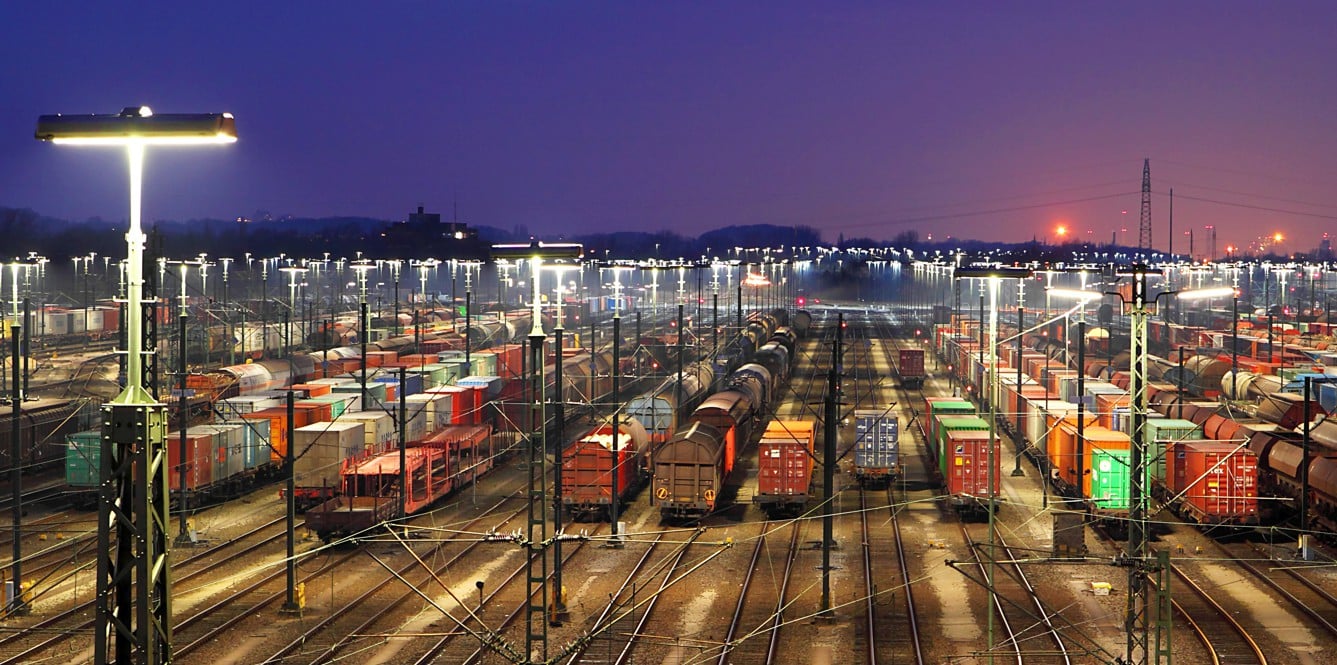
The BRH “Remarks” shed new light on the need for reform in federal railway policy with previously unknown facts. The currently particularly devastating performance of the rail infrastructure, which is leading to protests from freight railways and shippers across Europe and is currently occupying the NEE board in an emergency meeting, becomes understandable in light of the ongoing failures in financing.
(Berlin) “The rail network is obviously not well placed with a DB in this condition,” commented NEE Chairman Ludolf Kerkeling today in Berlin. The sparse passages in the coalition agreement regarding the establishment of a new public welfare-oriented infrastructure division are insufficient for the reform needs at DB and in the Ministry of Transport. Kerkeling: “Of course, it was noticeable that the traffic light coalition made no commitments regarding DB strategy and unfortunately did not specify the intention for better political steering, for example, by establishing a Federal Office for Transport based on the Swiss model.”
The cryptic sentence in the coalition agreement stating that “profits from the operation of the infrastructure (…) should remain in the new infrastructure unit in the future” now takes on a whole new meaning. Kerkeling: “Firstly, according to our understanding, two sentences earlier, profit generation was actually abolished with the intended ‘public welfare-oriented’ corporate governance – this contradiction immediately made us suspicious. Secondly, we have indications that DB is also to be exempted from the contractual dividend obligation for 2020 and 2021. Given a slight decline in revenue in 2020, this could indicate that DB is improperly using the surpluses generated at the expense of freight and passenger railways internally within DB, for example, for the highly loss-making DB Cargo and many start-ups. Co-financing these DB companies with track fees from competitors is legally inadmissible under European law and prevents the shift of traffic to rail.”
Investigation Committee Demanded in the New Bundestag
The developments at the federally owned DB and in the ministry should actually be reason enough for the new Bundestag to establish an investigation committee. However, Kerkeling doubts that enough factions from the old and new government are interested in an unflinching retrospective. “Therefore, we renew two existing NEE proposals: Either the new government appoints an independent expert commission or the parliament sets up an inquiry commission to develop recommendations for action for the overdue overhaul of railway policy,” said Kerkeling.
Photo © Loginfo24/Adobe Stock