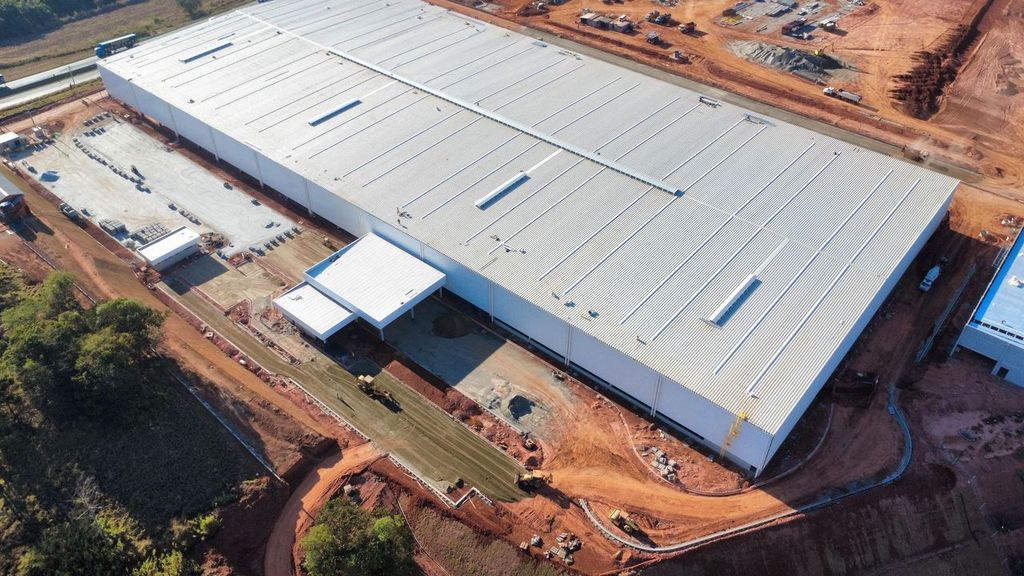



DB Schenker Opens New Logistics Center in Denmark
15. January 2022
Hamburg Port Authority and Dakosy with “Network of Networks”
17. January 2022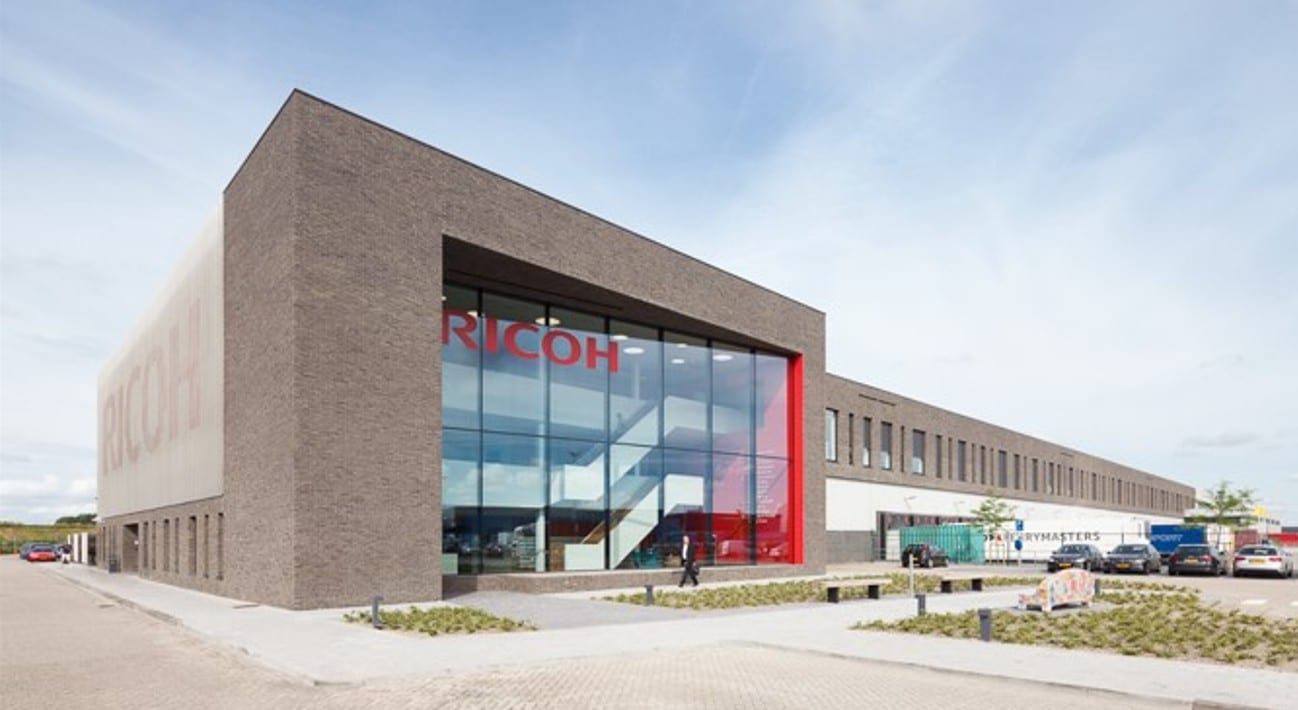
By 2050, the entire value chain of Ricoh must be climate-neutral, supported by the CO2 platform BigMile. The Japanese multinational company uses the so-called Backcasting method for this purpose. In this approach, the end goals are first defined, and then targets are set as milestones on the way to achieving these goals.
(Karlsruhe/Bergen op Zoom) Ricoh Europe aims to reduce CO2 emissions by 40% by 2030 compared to 2015. “We are currently examining how shifting transport to other modalities affects us. The BigMile software helps us calculate scenarios,” says Stef Jacobs from Ricoh Europe.
One of these goals is to reduce Scope 3 emissions according to the Greenhouse Gas Protocol (the most widely used protocol for calculating greenhouse gas emissions) by 40% by 2030. And this is a strong driver for the work of Stef Jacobs, Transport Supervisor at Ricoh Europe.
Scope 3 includes indirect CO2 emissions caused by the business activities of other organizations. Since Ricoh Europe outsources all transport activities, Scope 3 therefore includes all logistics service providers responsible for the physical distribution of both the end product and spare parts.
Shifting Logistics
From the distribution center in Bergen op Zoom (Netherlands), all Ricoh shipments to and from destinations in EMEA are planned with external carriers. Jacobs is tasked with reducing CO2 emissions from inbound and outbound transports by an average of 4% per year. “BigMile provides us with insights into where the most emissions occur, and we take appropriate action. We do not focus so much on the regions but examine the impacts when we shift transport to another modality,” explains Jacobs.
As an example, he mentions a current pilot project. Ricoh is now primarily transporting its deliveries to Russia by road. The provider of printing and IT solutions is currently exploring the possibility of transporting this freight by rail. “BigMile helps us by calculating the scenarios and the impacts on CO2 emissions,” explains Jacobs. “We have found that changing modalities over long distances has a greater impact. Transport to Germany, for example, is also done by road, but the distance between the Netherlands and Germany is simply too short to establish a rail solution. It is not worthwhile.”
Fuel Data
To achieve the greatest impact on Scope 3, Ricoh focuses on reducing CO2 in all transport-related activities. This is no easy task, as Ricoh cannot exert direct influence here. Jacobs: “We are dependent on external parties to provide us with data. While we receive emissions data or reports from various transport companies, these are static figures. For this reason, we still largely work with generic numbers. We want to know the underlying data and work with real fuel data, for example. We have found it difficult to obtain this data from transport providers. Especially with large companies, it takes a long time to find the right contacts.”
Sustainability Takes a Backseat
He also sees that many carriers now have other priorities. “Rising container prices, Covid-19, and driver shortages are currently receiving more attention than sustainability. They have other things on their minds than the CO2 tax.” Jacobs hopes that legislation and regulations will be addressed at the European level: “At the moment, each country is still doing its own thing. It would make a significant difference if the issue were regulated at the European level.”
Photo: © Ricoh / Image Caption: The Ricoh logistics center in Bergen op Zoom/NL