

Hellmann with Train Connection between Bremen and Chongqing
27. January 2022
Webasto Expands Joint Logistics Project with DB Cargo
29. January 2022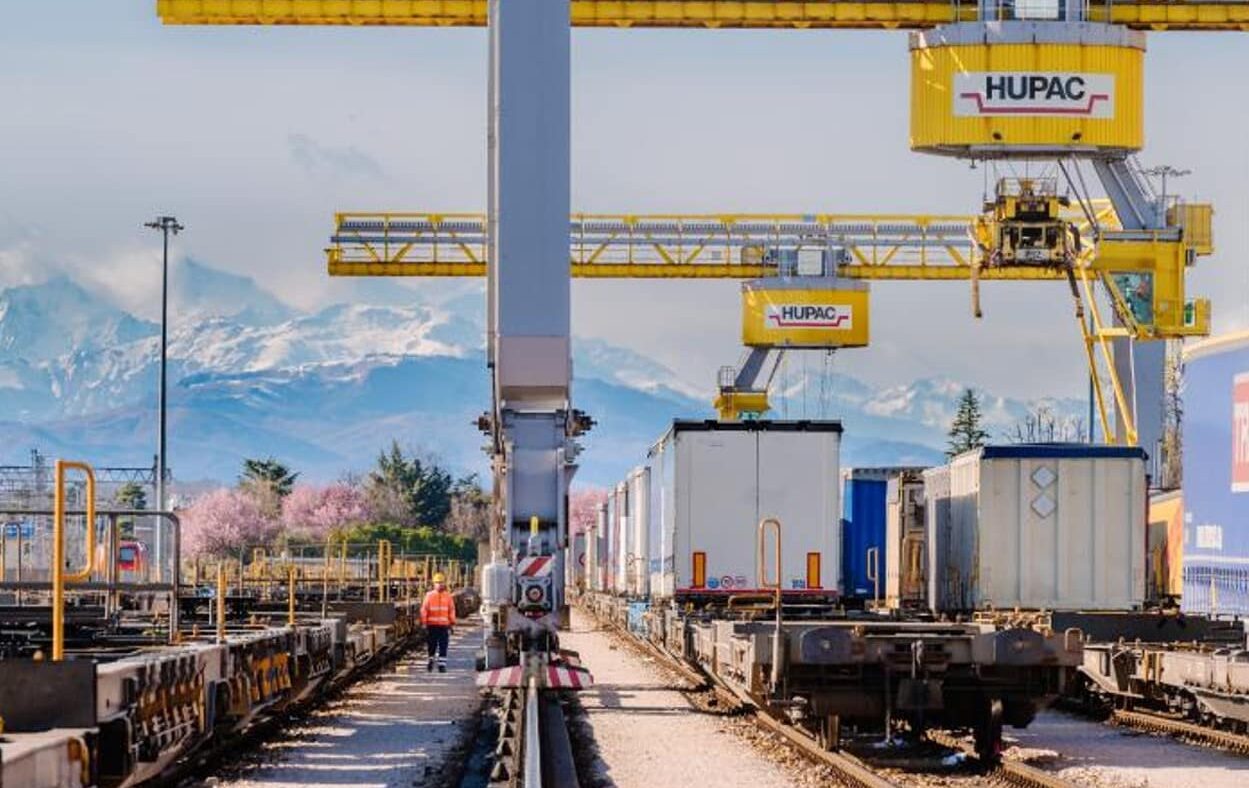
Despite the challenging economic situation, the combined operator Hupac increased its traffic volume in 2021 by 10.7% to around 1.1 million road consignments. The key success factors for further shifting heavy traffic to rail are sufficient capacity in the network, high reliability of transport, and sustainable energy and rail costs. For the strategy period 2021-2026, Hupac has adopted an ambitious investment program in rolling stock, transshipment terminals, and information technology.
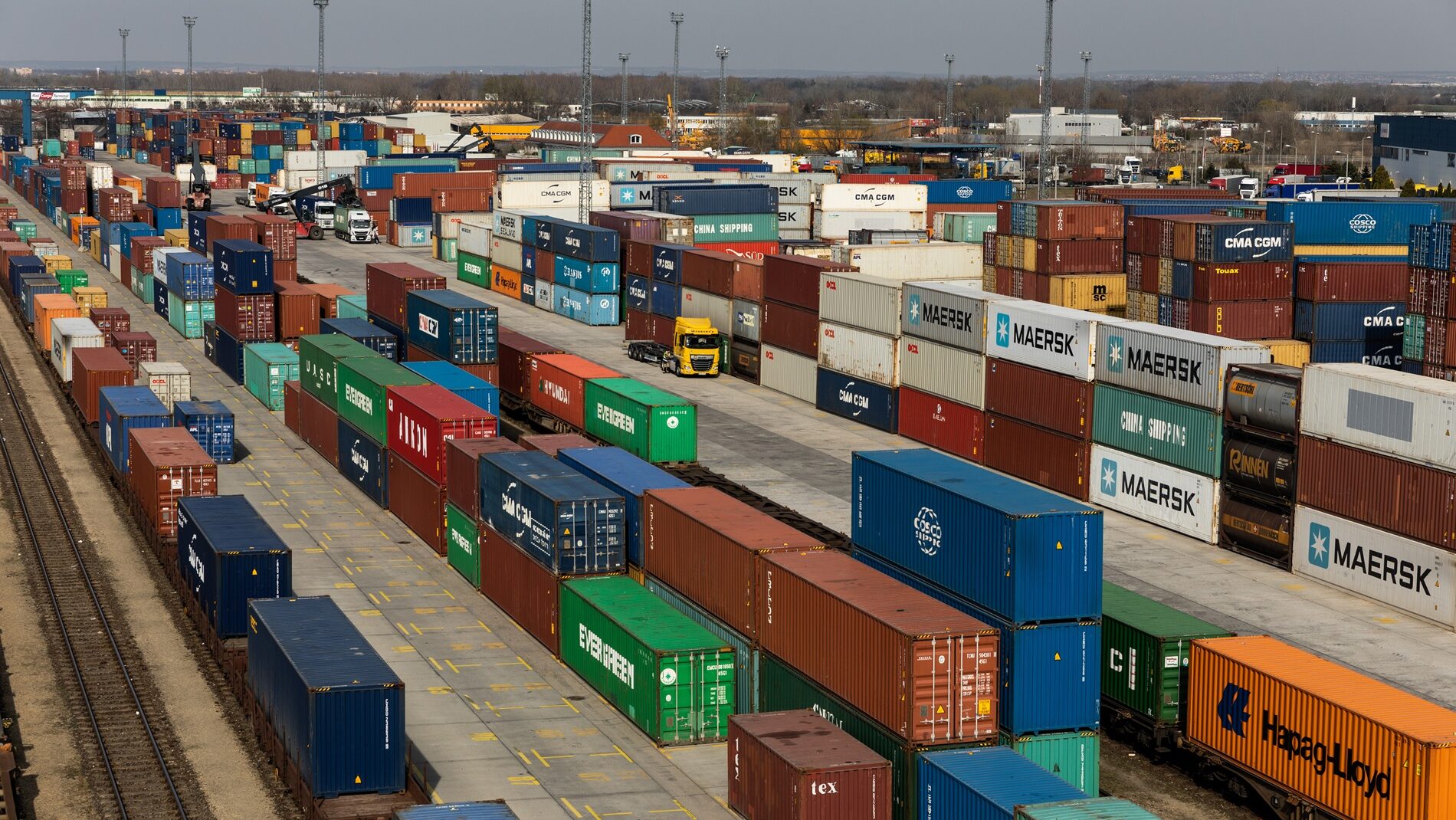
(Chiasso) Last year, the Hupac Group transported 1,123,562 road consignments or 2,118,000 TEUs in combined road/rail transport and maritime hinterland transport. Compared to the previous year, around 100,000 additional trucks were shifted, representing a growth of 10.7%. “The climate goals are achievable,” says Michail Stahlhut, CEO of the Hupac Group. “Compared to pure road transport, we have saved the environment 1.5 million tons of CO2 and reduced energy consumption by 17 billion megajoules – and relieved the roads of the transport of 21 million tons of goods. We are contributing through reliable service and efficient, environmentally friendly management of the network.” The certification of environmental performance is available online for Hupac Intermodal customers.
Combined Transport Proves Itself During the Corona Crisis
All transport segments contributed to the positive development in 2021 to a comparable extent. Transalpine traffic grew by 11.8%, which is particularly due to the successful use of the 4-meter corridor via Gotthard. In non-transalpine traffic (+10.4%), the segments in Southeast and Southwest Europe developed particularly dynamically. In maritime container transport, ERS Railways, part of the Hupac Group, made up for the pandemic-related traffic losses of the previous year and generated a satisfactory volume growth despite the ongoing volatilities. Stahlhut: “The support measures in various countries have helped us maintain our network during the pandemic and thus ensure supply.”
More Shifting Through Stable Quality
The positive traffic development is not only due to the economic recovery in the past year but also to the increasing interest of logistics in competitive, climate-friendly transport solutions by rail. “With reliable services, we can meet the industry’s expectations and shift further significant volumes to rail,” says Michail Stahlhut. “The prerequisite for this is stable quality. This requires better management of construction activities, especially on the Rhine-Alps corridor, today and in the coming years and decades. Disruptions and inefficiencies like those in the second half of 2021 must not occur again.”
Key points for a sustainable improvement in quality include organizing weekend resets to stabilize the traffic situation, strengthening construction site coordination among various infrastructure operators, and efficient traffic management with a noticeable reduction in disruption times.
Of central importance for the coming years is the establishment of international bypasses, such as the upgrading of a left-bank alternative route between Karlsruhe and Basel. “With relatively small resources, additional capacity can be created in the short term, which we need for reliable traffic management on the access routes to the Swiss base tunnels,” explains Hans-Jörg Bertschi, Chairman of the Board of Hupac AG. “The expansion of the left-bank north-south axis is an important prerequisite for the full utilization of the NEAT and for the further shifting of transalpine freight traffic.”
Energy Crisis Threatens Environmentally Friendly Rail Transport
Another challenge for combined transport is the currently skyrocketing energy costs. In various European countries, the costs for rail electricity have doubled or even tripled. The result is price increases that cannot be compensated and that significantly burden the marketability of combined transport. “The energy costs in rail freight transport should be evaluated from an economic perspective,” demands Michail Stahlhut. “We can only achieve the green transition with competitive prices. A subsidy for electricity transmission costs – that is, the price component for rail electricity systems, overhead lines, etc. – would alleviate the current situation and send an important signal to the market.”
Hupac Adopts Strategy 2021-2026
For the coming years, Hupac expects significant interest in combined transport as a contribution to achieving the net-zero climate goal. “With our strategy 2021-2026, we are setting the course for growth that meets the Green Deal expectations,” says Hans-Jörg Bertschi. “With an annual volume growth of 7%, we aim for a volume of 1.5 million road consignments by 2026.” In the coming years, Hupac will strengthen its offerings in the core market of transalpine traffic through Switzerland and work towards productivity improvements to compensate for the reduction of subsidies. Other development focuses are Southern Italy, Spain, Eastern and Southeastern Europe. The investment program for the next five years provides CHF 300 million for terminals, rolling stock, and IT systems.
Photo: © Hupac