

Lufthansa Cargo Renewed Cargo iQ Quality Certification
3. February 2022
Check Sustainability with WAVES’ Transport Offer
3. February 2022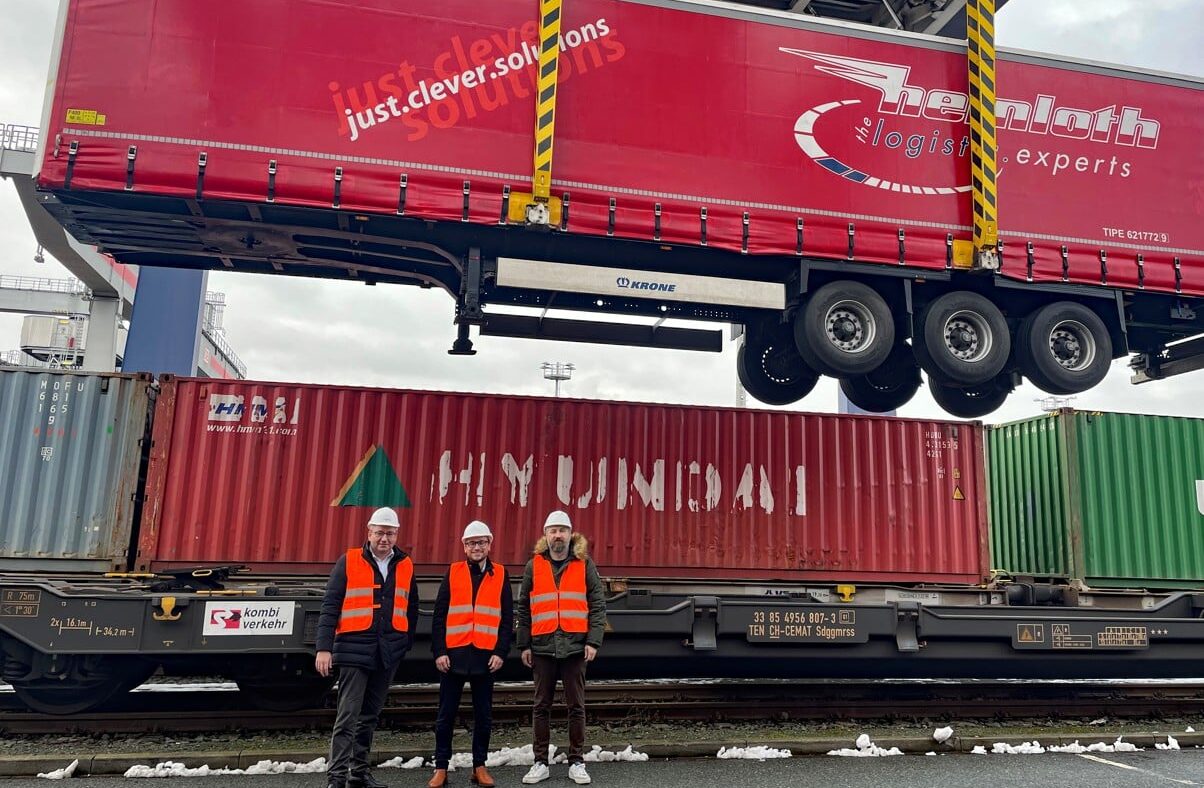
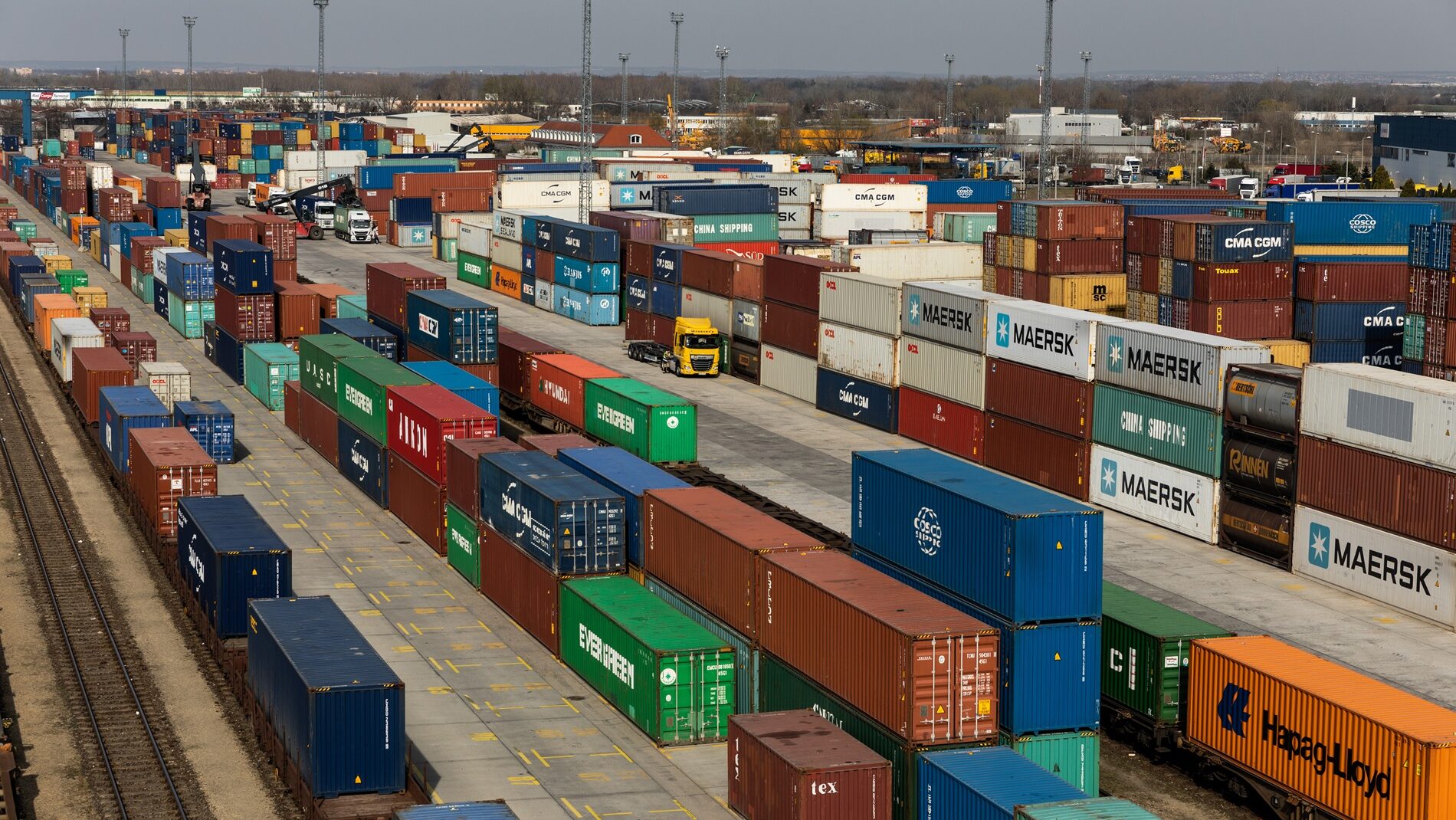
The corporate group HEINLOTH – the logistic experts from Roth in Middle Franconia is accelerating the expansion of the Europe-wide intermodal transport and simultaneously advancing its sustainability strategy. Since summer last year, the logistics specialist has been servicing the route Nuremberg – Verona/Italy (and vice versa) with 40 trailers weekly via combined transport.
(Roth near Nuremberg) With 100 trailers per week, HEINLOTH is now also covering the route Nuremberg – Rotterdam/Netherlands (and vice versa), including further transport to Great Britain. After already switching from “accompanied” to “unaccompanied” ferry traffic in preparation for Brexit since spring 2020, the next step has now been taken by partially shifting the pre- and post-hauls to and from the port of Rotterdam onto the rail. Furthermore, the route Verona – Rotterdam is also possible via intermodal transport. Currently, about ten percent of all transports handled by HEINLOTH are carried out through multimodal connections. “The combination of road and rail is a crucial option in the transport and logistics sector on several levels – with a clear upward trend,” says Florian Bast, Director Forwarding at HEINLOTH.
Far-sighted decisions within the company
The company’s ability to expand intermodal transport is also thanks to its foresight more than two years ago. A short-term switch to combined transport as a result of unforeseen events is not feasible, Bast knows: “Multimodal connections with trucks, trains, and ferries increase the administrative and organizational effort in tour planning and back-office operations.” In addition to the early acquisition of craneable trailers necessary for rail transport, HEINLOTH has also hired new employees to handle the processes. “Ultimately, the transition to intermodal transport is also an investment in the future,” says Bast.
Responses to current challenges
The focus on combined transport is not only a reaction to resource shortages but also the next step in the sustainability strategy of the corporate group. “The industry is indeed facing – structural and environmental – challenges. Intermodal transport can provide solutions for both in the future, because,” explains Oliver Schwemmer, CEO of Heinloth Transport GmbH & Co. KG, “we have answers to the scarce resources and relieve the roads, thus reducing our CO2 emissions and contributing to greater sustainability and environmental awareness in the industry.” Furthermore, HEINLOTH’s customers also benefit, as they can contribute to climate protection, increase their cargo weight by four tons, and become less dependent on fluctuating transport prices. “There are many reasons why we will consistently expand intermodal transport in the future,” says Schwemmer.
Photo: © Kombiverkehr / Image caption: (l. to r.) Alexander Ochs, Managing Director of Kombiverkehr GmbH & Co. KG, Florian Bast, Director Forwarding at HEINLOTH, and Marcus Dober, Managing Director at Tricon, the operator of the terminal in Nuremberg