


Various Parties Involved in eFood of Fresh Products
20. March 2022At TRANSAC Logistics, operations don’t even pause for Christmas
20. March 2022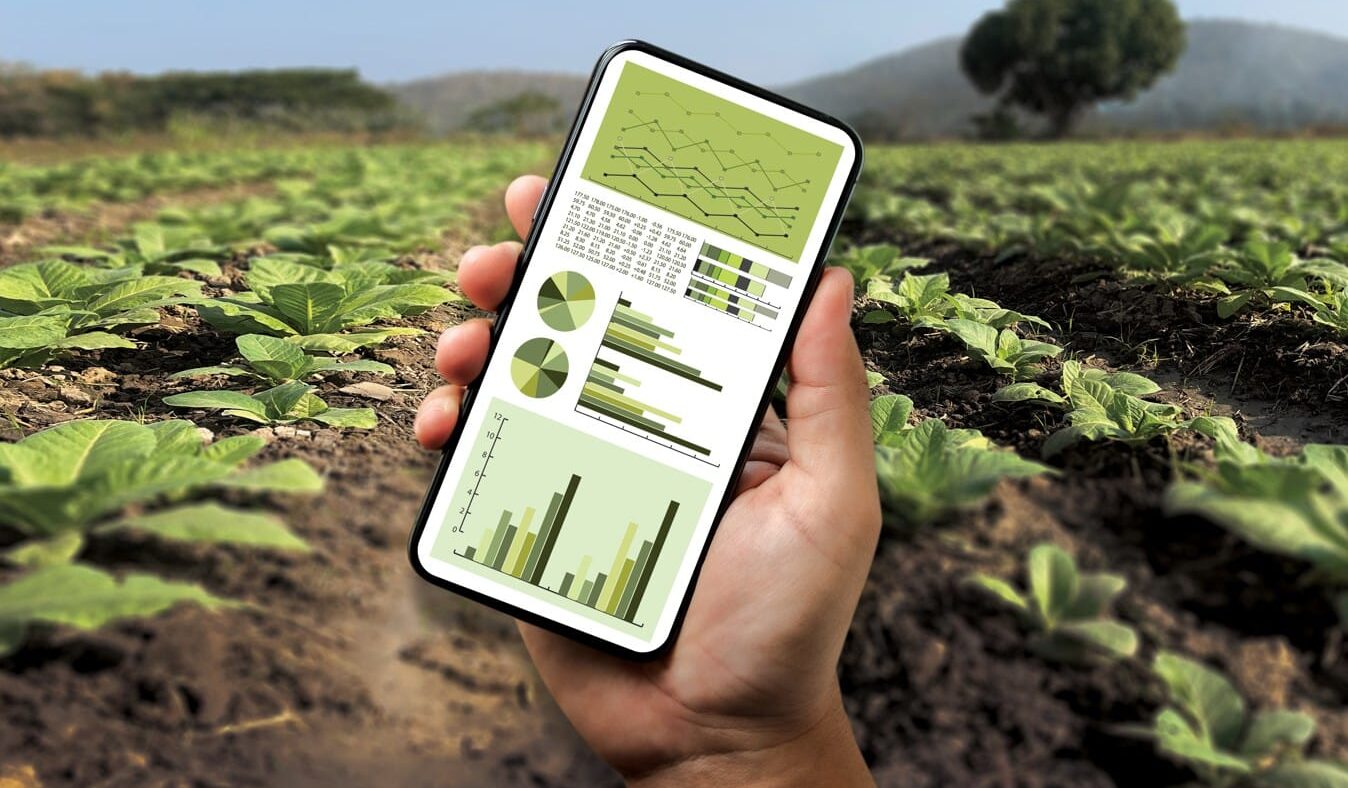
High order frequencies, short delivery times, and a highly competitive market. To meet the high service delivery requirements of fresh logistics, well-coordinated logistics chains are essential, especially in light of current delivery bottlenecks. Online offerings are increasingly coming into focus alongside brick-and-mortar retail.
Von Ludwig Häberle
(St. Gallen) While the online share in the food sector in Switzerland was still at 2.4% in 2019, it increased to 3.8% by 2021 due to the Corona crisis, with a continuing upward trend. The latest sales figures from Migros Online, Coop.ch, and Farmy show that all providers were able to record double-digit growth rates in the past year. The market segment is becoming increasingly relevant for the players involved. The product range no longer consists solely of convenience items. For many consumers, the fresh produce section is one of the essential factors influencing their purchasing decisions.
High Demands on E-Food Logistics
Online offerings must provide the same quality and a similarly large selection as brick-and-mortar retail. The product ranges are constantly expanding, both in the area of fresh and convenience products. The increasing demand for regional products also raises the number of suppliers. This presents both challenges and opportunities for logistics. Fresh logistics can be a real competitive advantage if high delivery speed and quality make the benefits for the customer tangible while keeping storage and transport costs in check.
Efficiency Potentials through Customer-Specific Shopping Profiles
But how can product availability, freshness, and cost efficiency be reconciled? An approach is offered by the intelligent evaluation and application of data. The better a retailer knows its customers and understands which products are in demand when and in what quantities, the better sales volumes can be planned, and goods flows can be optimally managed in terms of availability and shelf life. Especially for fresh products with very short shelf lives, costs can be significantly reduced by minimizing stockouts. To operate optimally across the supply chain, keep customers happy, and maintain low costs, insights into customer behavior in fresh logistics need to be incorporated in much greater detail in the future. The bonus programs of grocery retailers provide the foundation for this and enable the formation of customer-specific shopping profiles.
Big Data and AI: Opportunities through Novel Data Linkages
The rapid developments surrounding Big Data and AI have the potential to shape fresh logistics. Unlike in the past, data is no longer a scarce resource today – on the contrary! The players in logistical process chains each generate a vast amount of transaction data. Despite the variety of data, often not even the own data is fully evaluated. The novel linkage with external data sources not only embodies the ambition of Big Data and, building on that, Data Analytics, but also offers plenty of potential.
Recognizing the Power of Forecasting
Reliable forecasts of expected order quantities can help. Utilizing historical order quantities and holidays to identify seasonalities and event-related influences, combined with weather data and other relevant factors affecting sales figures, creates the foundation for developing a data-driven forecasting model that enables more reliable predictions through the recognition of correlations. Ideally, the increased flexibility to align order quantities with customer demand contributes to optimizing the logistics chain, ultimately benefiting the customer directly.
The Illusion of a Patented Recipe for the Big Data Roadmap
Building Big Data competencies enables companies to make proactive decisions rather than just reacting. But one thing is certain: there are no patented recipes for Big Data strategies, neither for grocery retailers nor for logistics companies. In addition to usable data sources, the internally available Data Analytics competencies must also be considered. Depending on the given framework conditions, the “Big Data Roadmap” should always be developed specifically for the company.
Fotos: © Loginfo24/Adobe Stock
Ludwig Häberle is a project manager at Logistics Advisory Experts GmbH and works as a research associate and doctoral candidate at the Institute for Supply Chain Management at the University of St. Gallen.www.logistics-advisory-experts.ch