


Highest Rail Share in Alpine Freight Transport in 30 Years
17. March 2022
Data-Driven Logistics Processes as a Success Factor in eFood
20. March 2022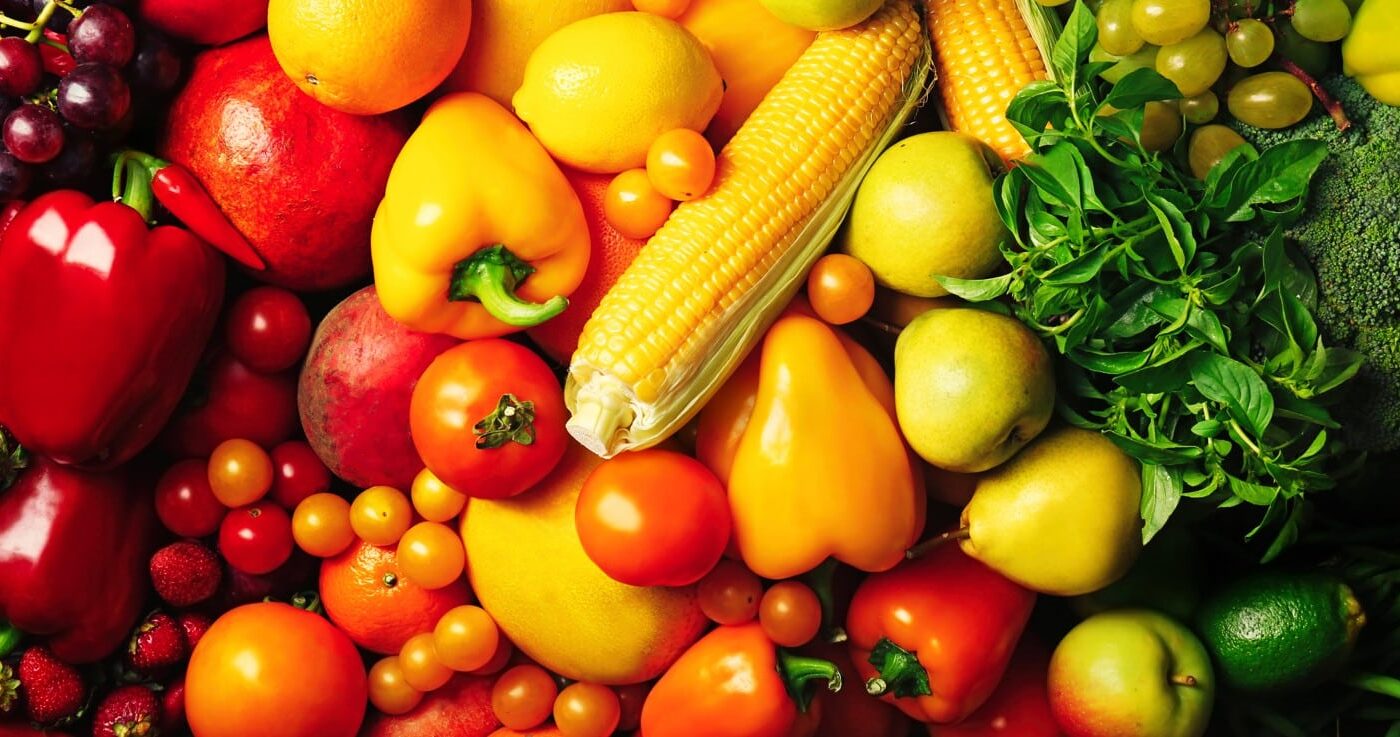
E-commerce in the food and beverage sector has grown significantly during the Corona pandemic in the DACH region, but still accounts for a manageable percentage of total sales. Nevertheless, high sales increases are forecasted for the coming years. A special challenge is posed by the area of fresh logistics, particularly in the delivery of fruits and vegetables. Local suppliers are also involved here, prioritizing their love for the product over automation in their logistics.
By Andreas Müller
E-commerce for groceries, also known as eGrocery or eFood, has seen significant growth during the Corona pandemic. Especially during the first lockdown from March to June 2020, sales increased disproportionately. After that, more and more people returned to stores.
However, many have continued to shop for groceries online, and good sales increases are predicted for this area of e-commerce. The statistics portal Statista, for example, reports a revenue of 1.08 billion Swiss francs in eFood for Switzerland in 2020. By 2025, this is expected to grow to around 1.4 billion. Growth forecasts for Germany and Austria are in a similar range.
Special Case: Fruits and Vegetables
While large retailers offer a full range in eFood, more and more regional suppliers are getting involved, especially with fresh products, particularly fruits and vegetables. Seasonal products, usually organic, are delivered directly from the farm or garden to consumers’ living rooms. This trend is increasing and could gain even more importance due to supply shortages caused by crises.
Many regional producers still pack the boxes by hand. This attribute is even advertised. Often, the service is also offered as a subscription service, with deliveries occurring regularly in a rhythm desired by the customer. Additional offerings, such as fresh juices, dairy products, etc., complement the range. There are certainly ecological arguments for this.
For the Big Players, Logistics is Key
While for small, regional suppliers, the love for the product and manual logistics can even be an additional argument, pushing the price question into the background, for larger and regional suppliers, logistics is the key to success. Fresh products are no longer the core of the delivery; they must be coordinated with other food products, and sometimes even with non-food products.
Higher Requirements for Order Picking
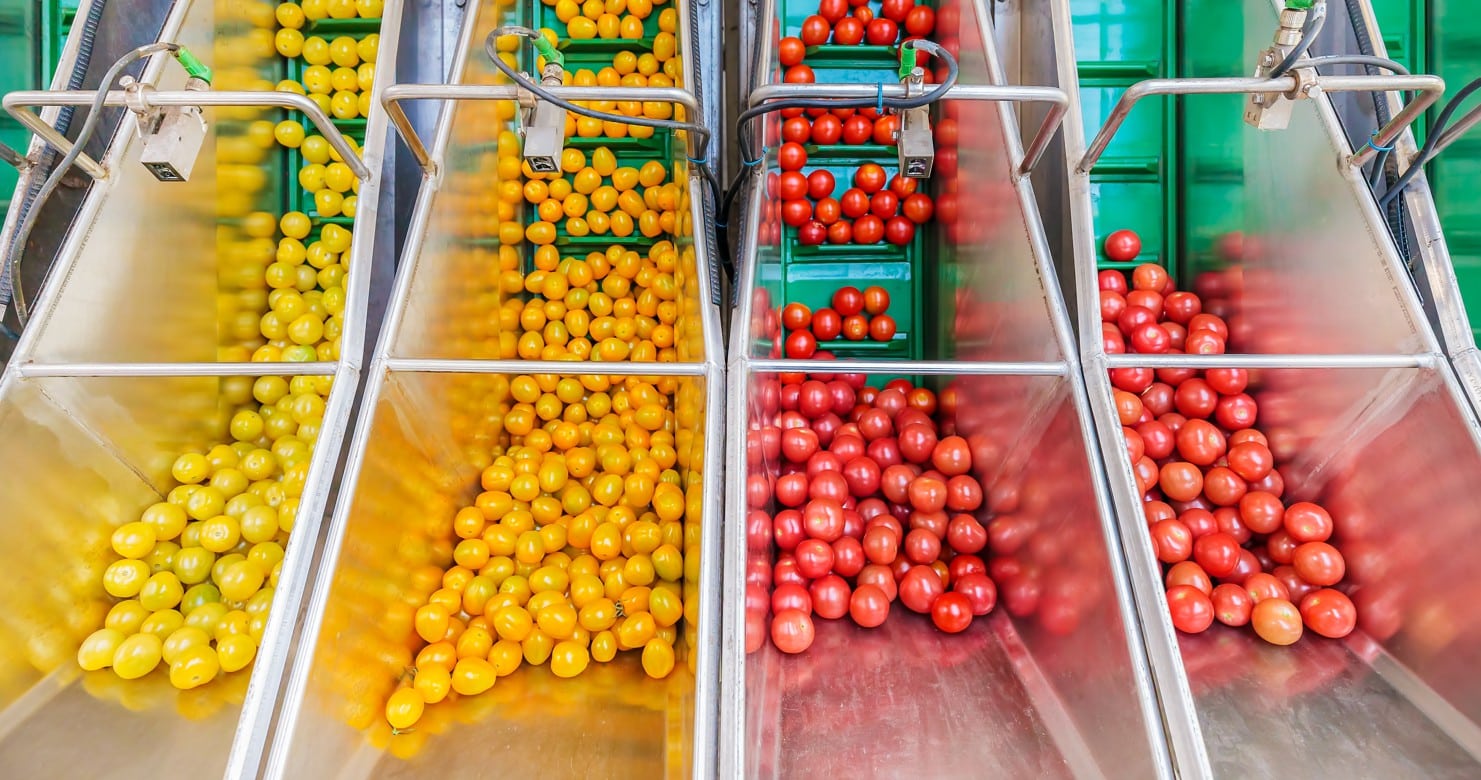
Order picking for the end consumer presents higher demands on intralogistics than order picking for stores or retailers. Many more individual orders need to be processed, prepared, and transported. Additionally, it must be considered that picking must occur from various temperature zones. Those who still rely heavily on manual picking will not be able to keep up with growth.
Automation in Intralogistics is Key for the Big Players
For suppliers of intralogistics solutions, eFood is also an interesting area with growth prospects, and they all offer the corresponding solutions. It is important that the provider has solutions for the following questions:
- Efficiency in order picking
- Ergonomic factors for employees
- Short delivery time windows
- Preparation for the “Last Mile”
- Continuity of the cold chain
- Flexibility regarding expansions and adjustments to higher volumes
- Adaptability
Before a retailer dives into automation and considers a rebuild of their intralogistics, they should discuss adjustments with the existing supplier. Often, automation can be integrated into the existing solution.
Distribution is Subject to Certain Conditions
In the distribution of food in e-commerce, various temperature requirements also play a role. While there is a wide range of providers for temperature-insensitive products, the number of transport companies for temperature-controlled goods is dwindling.
Here, the question arises whether it is worthwhile to conduct distribution with one’s own vehicles. There are some providers with solutions for the corresponding vehicle setups. It should be checked whether the retailer can also offer electric vehicles and meet climate requirements.
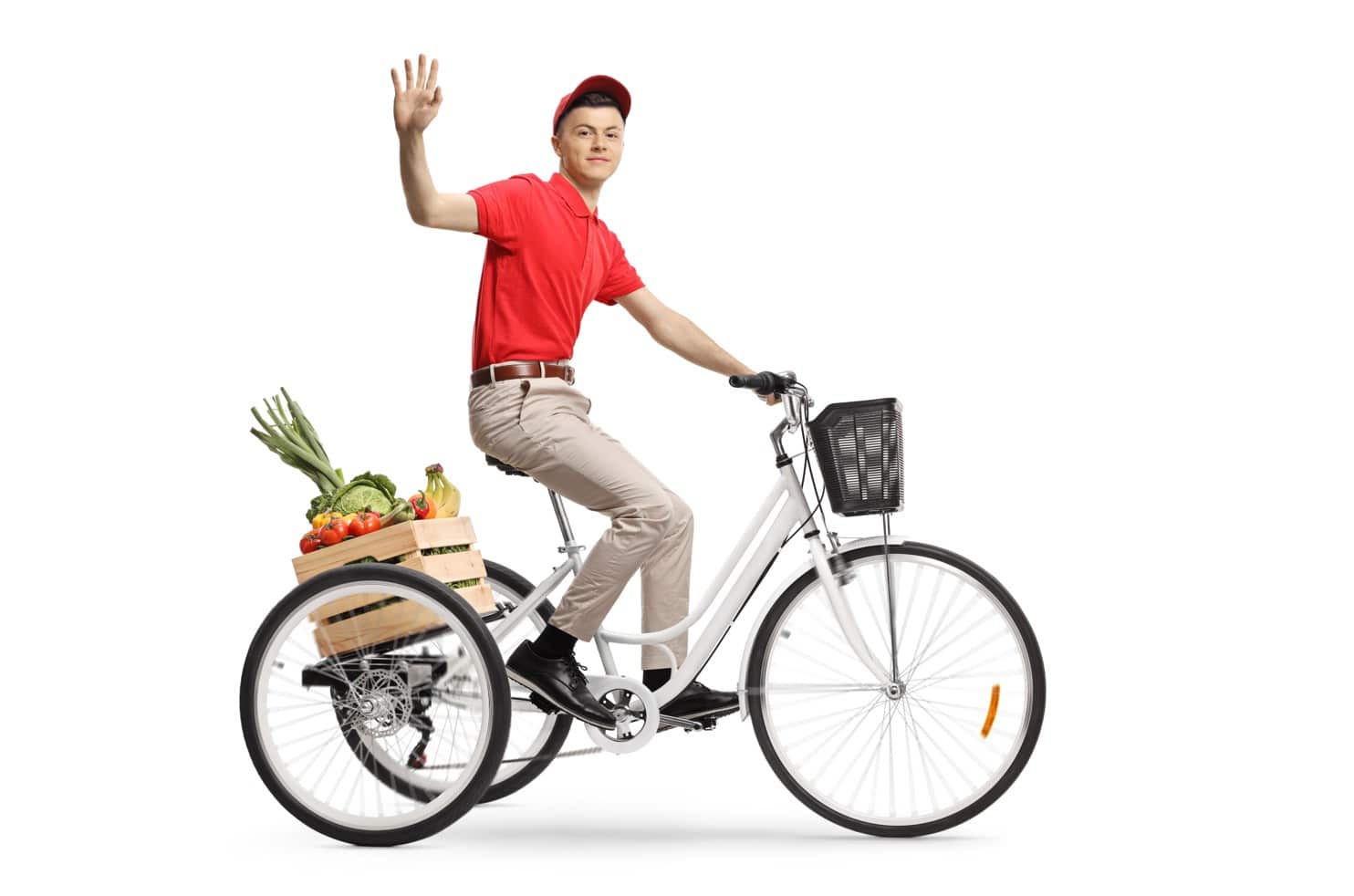
The local, regional eFood provider certainly enhances the label “fresh” even more when they deliver using e-cargo bikes. These have a high advertising effect and increase credibility for the product.
If choosing an external logistics service provider, it is essential to ensure that they can provide the necessary proof and certifications for the transport of food.
In addition to the shipping of conventional food, the delivery of ready meals has also increased during the pandemic. While previously one might have only known the pizza courier, today couriers deliver dishes in all possible variations to the doorstep. Here, the purchase of e-cargo bikes for climate-friendly delivery is booming.
Photos: © Loginfo24/Adobe Stock