


Logistikum Switzerland with ReThink Offer for Logistics
19. April 2022
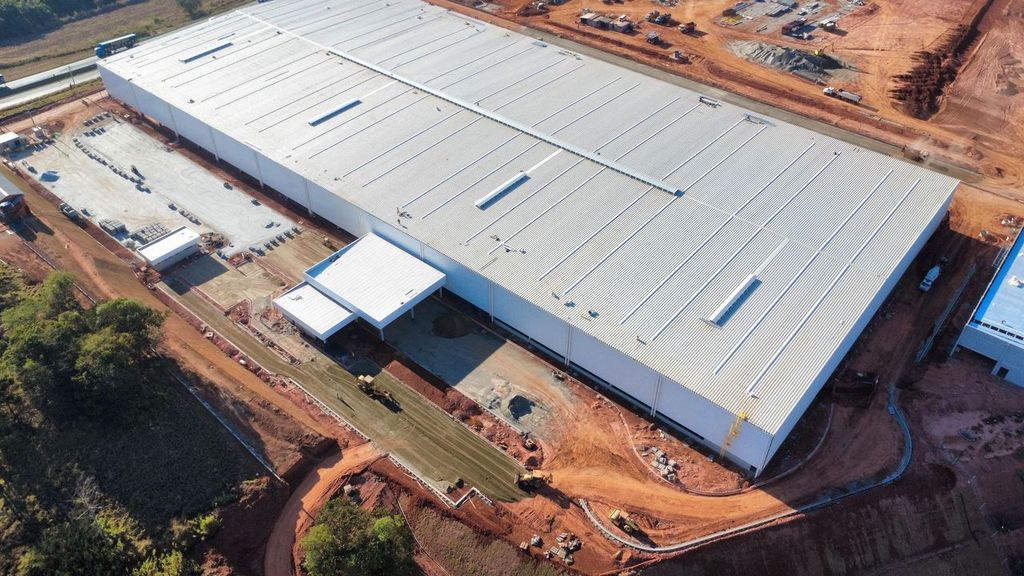
Güttler Logistics Builds New Warehouse at Hof/Saale Location
20. April 2022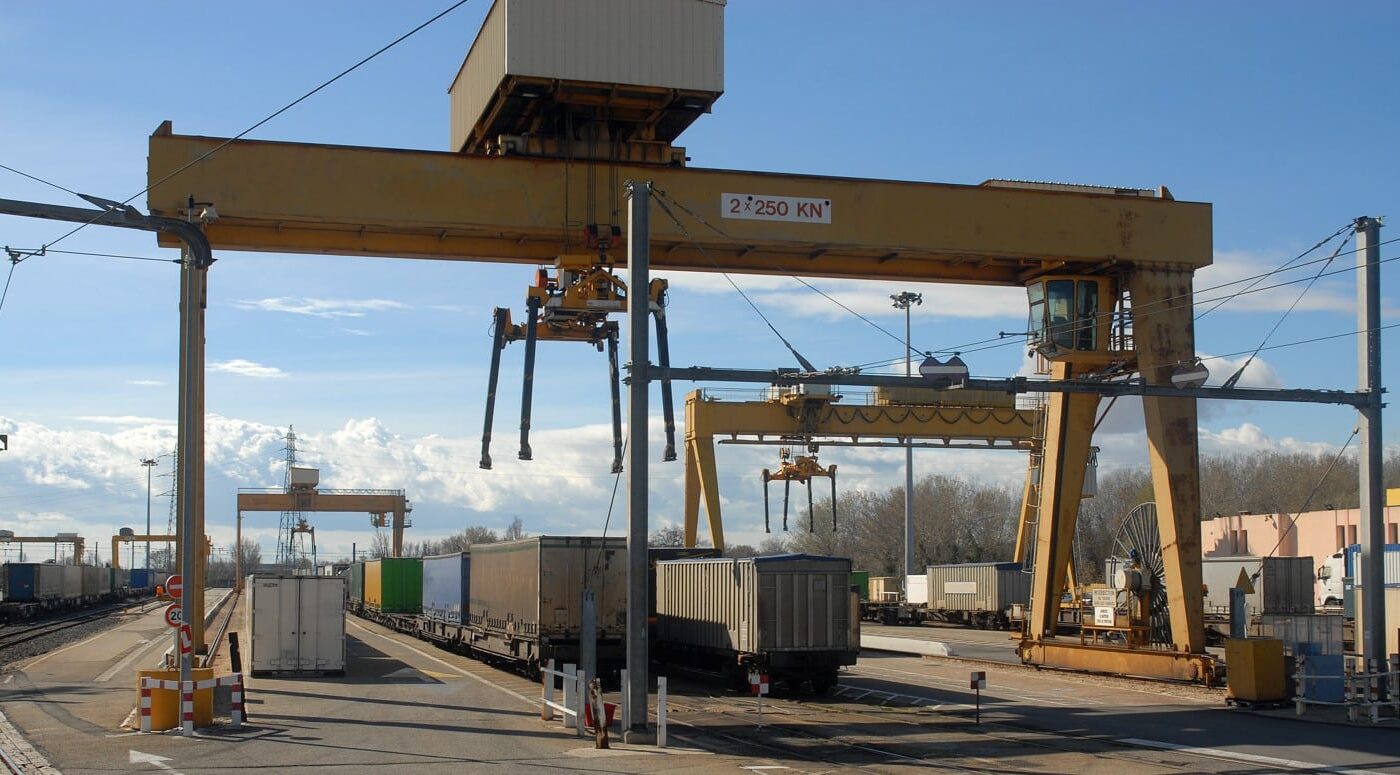
The Initiative Shift2030 demands: “Only rail can immediately save CO2 emissions in freight transport.” The transport sector continues to miss climate targets in 2021. Federal Minister of Transport Volker Wissing is to present an immediate program. The rail sector is ready with innovative solutions and can immediately reduce CO2 emissions by 80%.
(Berlin) The transport sector continues to fall short of the legally mandated climate protection targets. As confirmed by the Expert Council on Climate Issues, the transport sector – particularly freight transport by truck – emitted three million tons of CO2 too much last year. According to the Climate Protection Act, Transport Minister Wissing must now present an immediate program in the short term to meet the target values. This latest deviation is part of a long chain, as the transport sector has been lagging significantly behind in CO2 reduction for 30 years. A rapid turnaround is still not in sight: “It will take a long time before green electric and hydrogen technologies for heavy freight transport on the road are available on a large scale and at competitive prices,” says Sebastian Ruckes, board member of the rail initiative shift2030. “Only rail can significantly reduce CO2 emissions in freight transport immediately – by up to 80% compared to diesel trucks. We therefore urge Minister Wissing to focus significantly on climate-friendly rail freight transport in the immediate program.”
Targeted Funding Required
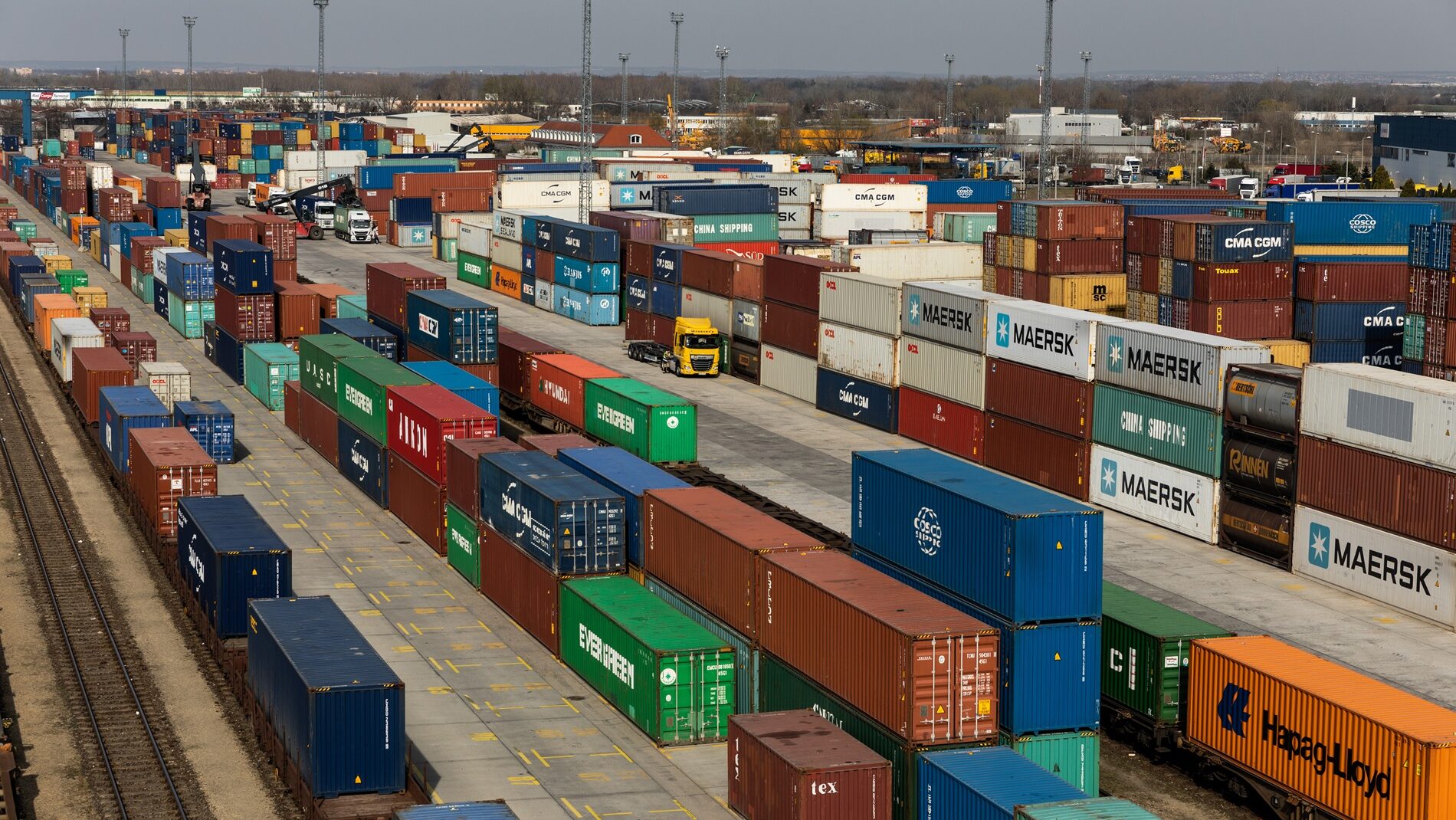
In addition to targeted funding to offset burdens due to the massively increased railway electricity costs, measures that support shippers and freight forwarders in transitioning from road to rail are particularly important: “Competitive offers are available in the market, and many innovations have already been introduced, especially by private rail companies. This has increased both the attractiveness and logistics capability of rail. However, decision-makers often lack an overview of the options for switching to rail,” says Ruckes. Therefore, actions funded by the Ministry of Transport that advise companies and assist with onboarding, for example in collaboration with local chambers of commerce, would be helpful. As examples of innovative entry offers, Ruckes mentions the platform ‘Match2Rail’, which allows shippers to comfortably match their transport flows with offers in combined transport, or the ‘Intermodal Capacity Broker’, which allows freight forwarders to book seamless intermodal transports, even if they do not have the appropriate equipment or a partner network for the so-called first and last mile on the road.
Rail is Energy Efficient
In addition to CO2 reduction, there is another positive effect when shifting transport to rail that could not be more relevant in the current situation: “Rail is extremely energy-efficient – it requires five times less energy to transport goods than on the road. Furthermore, freight trains run on 95% electric power and consume almost no fossil fuels,” explains Ruckes.
Photo: © Loginfo24