HGK Group Completes 2nd Safety Week
9. May 2022
DPD Switzerland Delivers the Last Mile Green in Basel
9. May 2022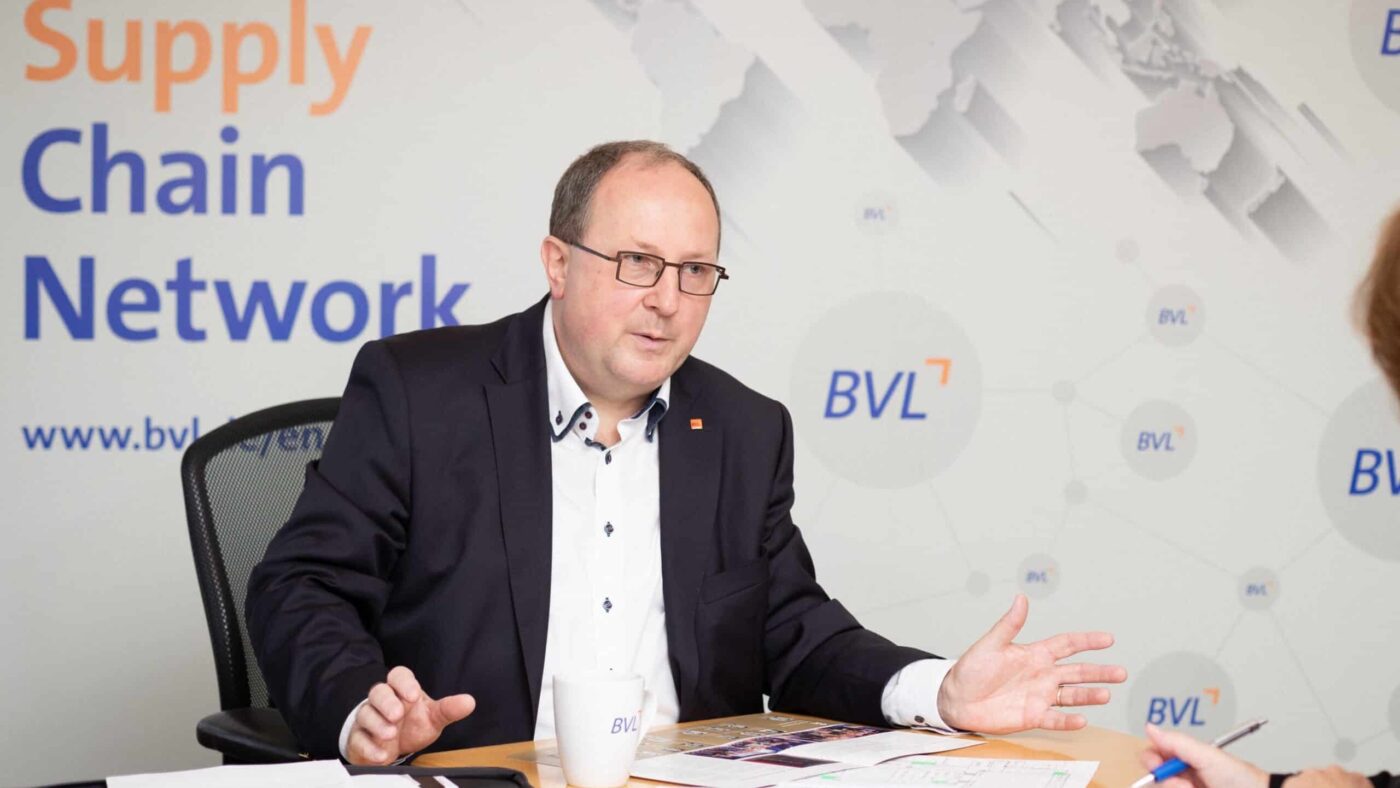
The Board of the Federal Association of Logistics (BVL) also dedicated a current hour to the challenges in supply chains and the procurement of raw materials and intermediate products during its meeting last week in Duisburg. The board members unanimously painted a bleak picture for the remainder of the year. According to them, all previous forecasts are still significantly too optimistic.
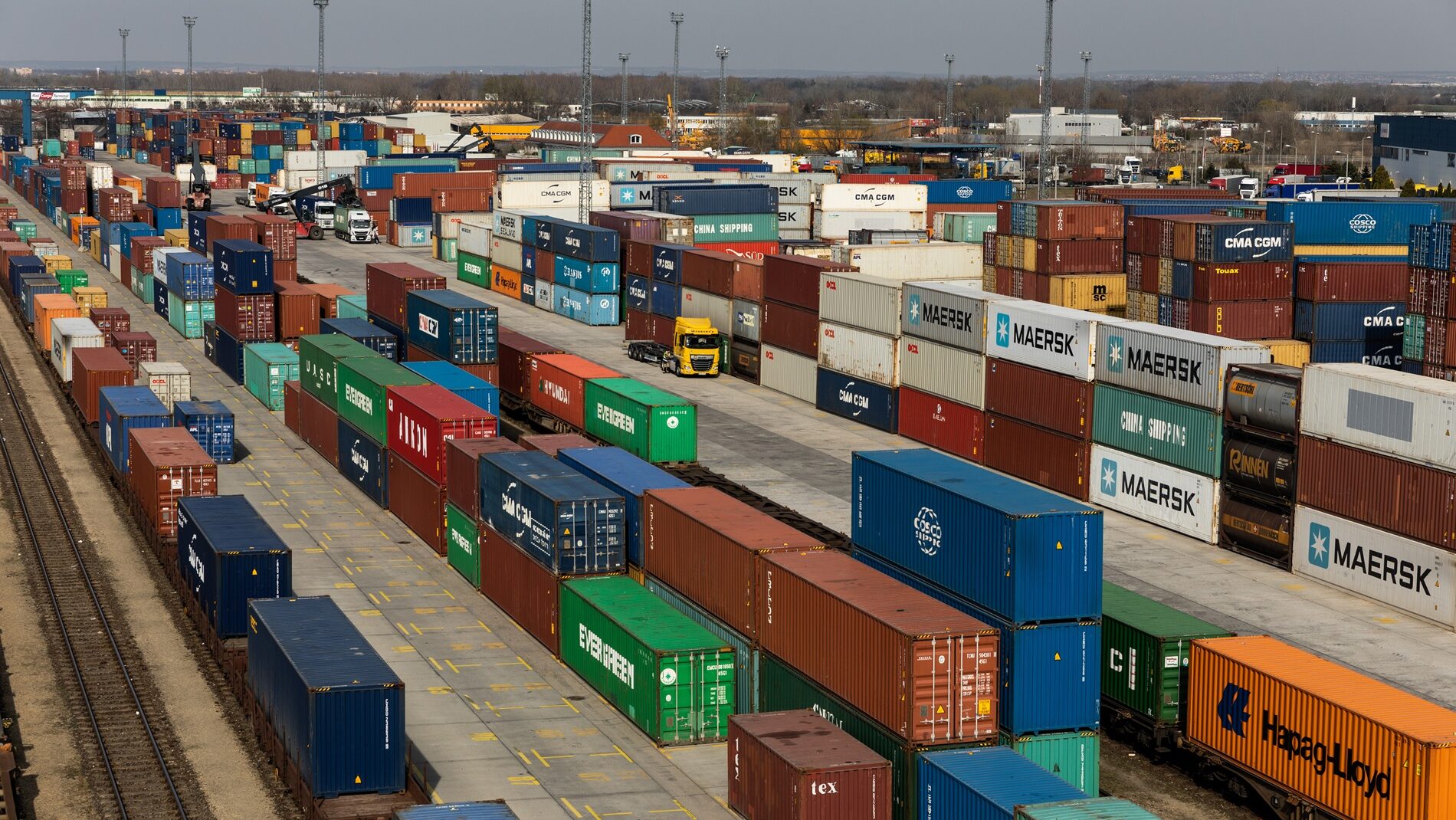
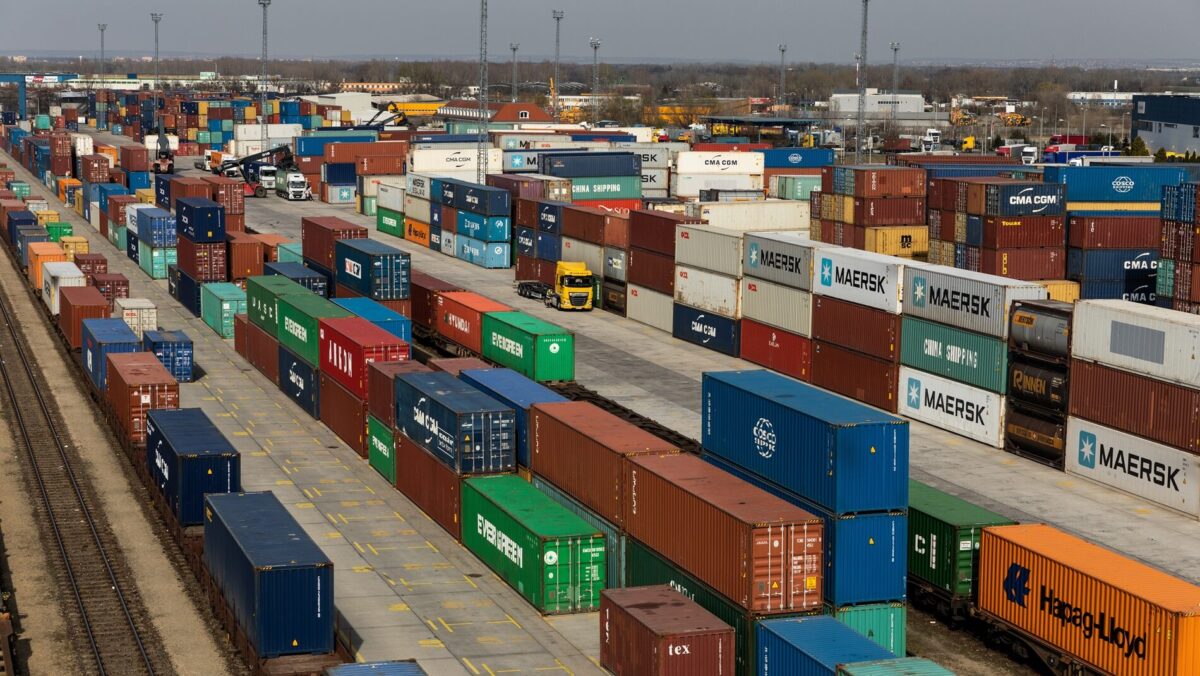
(Duisburg) “The number of ships waiting to unload in front of Shanghai has reached a whole new dimension. This alone will massively burden the economy,” said Dorothea von Boxberg, CEO of Lufthansa Cargo. Josip T. Tomasevic, Senior Vice President at AGCO Corporation (including Fendt), also warned: “A wave is coming towards us. Even from an optimistic perspective, the problems will last at least until mid-2023.” “Supply chains cannot be controlled at the moment. This will take on a huge dimension and cause delays that we have not experienced before,” added Tim Scharwath, CEO of DHL Global Forwarding Freight.
Many Months Until Normalization
BVL market expert Prof. Dr. Christian Kille compared the effect to a traffic jam on the highway: “Even if the ship backlog in front of Shanghai resolves and most factories in China exit lockdown, it will take many months for supply chains to normalize. It’s like a traffic jam on the highway that spreads and escalates, even though the actual cause of the jam has long been resolved. It will take months before hinterland traffic functions again and empty containers find their way to the next loading. The example of the USA shows that the bottleneck simply shifts to the land side. Eventually, the ships will be empty, but the port areas will be full. The ship backlog will initially shift to European ports because they cannot cope with the surge after the pause.” The delays caused by the backlog in the Suez Canal due to the Ever Given and the temporarily closed terminals in China due to COVID in spring and mid-2021 have, according to figures from the Kiel Trade Indicator, not been fully resolved to this day.
Location Disadvantages: War and Energy
Participants from the industry identified the energy crisis and raw material shortages as the biggest current threats. “There are currently two location disadvantages for Europe: the war and energy,” said Josip Tomasevic. A “complete economic brake” was noted by Stephan Wohler, board member at EDEKA Minden-Hannover, for the food sector. After a good 2021, rapidly rising prices led to consumer nervousness and a focus on entry-level products instead of well-known brands. Dr.-Ing. Christian Jacobi, managing director of agiplan, pointed out the crisis’s consequences for public investment, particularly infrastructure projects: “Raw material shortages and cost spikes mean that planned construction projects are not realized or are delayed. State investments will also shift, as it cannot afford all planned measures in the long run. The consequences of the war and compensation programs due to the COVID pandemic will lead to financing pots becoming smaller or stretched over time. Many companies will have to return to short-time work due to the lack of intermediate products and raw materials, as well as high energy costs. Overall, Germany faces significant challenges.”
Expected Improvement from 2023
BVL Chairman Prof. Dr.-Ing. Thomas Wimmer expressed his disillusionment: “The assessments of our board members from industry, trade, and logistics services go well beyond the forecasts published so far. Before we can perhaps expect an improvement in 2023, the situation regarding supply chains and raw materials will worsen significantly in the coming months. Companies and consumers need to prepare for this.” Wimmer pointed out that not all companies are equally affected: “If companies have adjusted their risk management early and developed additional or alternative suppliers, and if relationships with shipping companies and freight forwarders have been maintained long-term, making capacities still available, they are less severely affected. But ultimately, everyone is currently just navigating by sight.”
Change of Mindset Necessary
For the future, the attitude of many companies must change, said BVL market expert Kille: “Independence will become more important, as will flexibility and reliability – and that costs more. If companies are to operate more independently and autonomously, investments and partnerships with others nearby are necessary, even in previously neglected regions. The argument of price competitiveness is understandable in light of competition from the Far East. Therefore, changing one’s mindset is necessary to question what potentials are still hidden. Shorter distances, for example, also contribute to the path towards climate neutrality, and they will also enable a more easily implementable circular economy in the future.”
Photo: © BVL / Image Caption: Chairman Prof. Dr.-Ing. Thomas Wimmer