ANITA: When the Truck Finds Its Way in the Terminal by Itself
24. May 2022
Abels & Kemmner Calls for Participation in Working Group with SAP
29. May 2022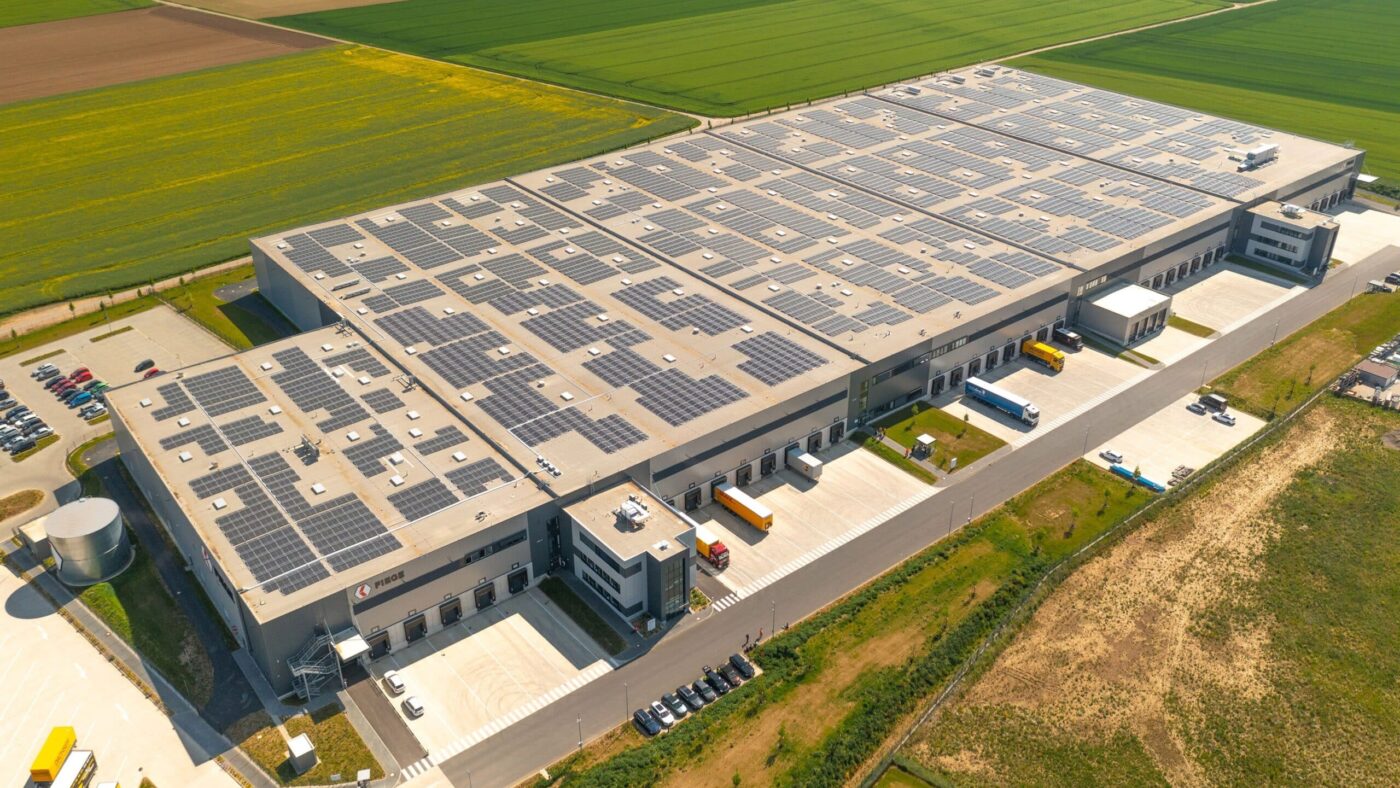
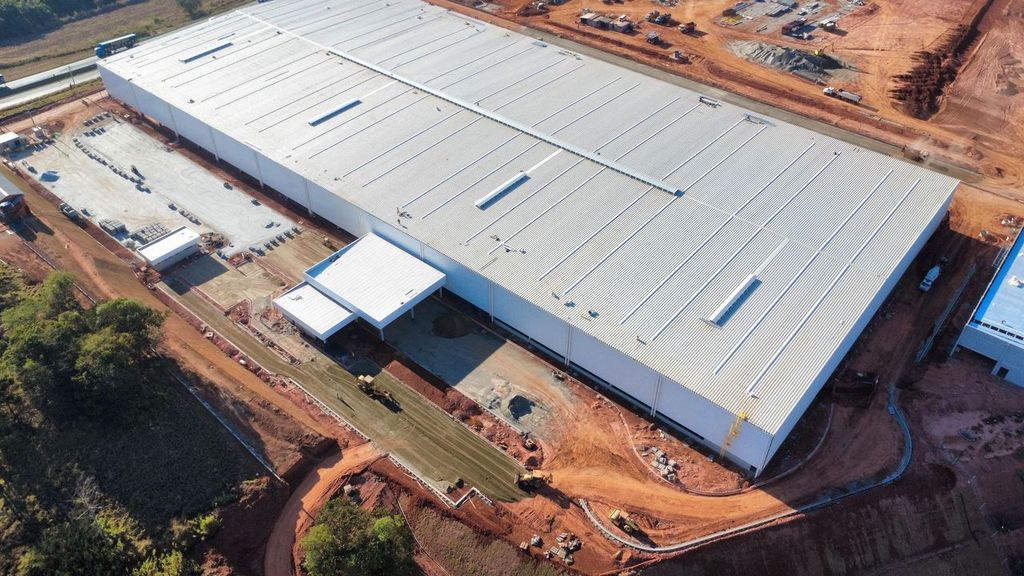
The logistics service provider Fiege has commissioned a photovoltaic system for self-consumption at its location in Zülpich. The system generates more than 400,000 kilowatt-hours of electricity annually on approximately 5,000 square meters of roof area, which is roughly equivalent to the electricity consumption of 115 households.
(Zülpich) “The sustainable and careful handling of resources is very important to us, as we, as a family business, have the clear goal of passing on a climate-neutral company to the next generation,” says Kai Alfermann, Managing Director at Fiege Real Estate. “By directly using solar power, we significantly relieve the environment, as photovoltaic systems do not emit climate-damaging CO2 during operation, unlike conventional power plants.”
The generated solar power is consumed directly in the logistics center and covers most of the energy needs. Only at night or on dark winter days does Fiege need to draw additional electricity from the public grid. For this purpose, the self-generated solar power is fed into the public grid during times when generation and consumption deviate from each other – for example, on Sundays when the energy demand in the logistics center is low.
In addition to Fiege’s self-consumption system, the investment company LIP Invest is currently realizing two more photovoltaic systems on nearly 30,000 square meters of roof area. Commissioning will take place in August. These systems will also supply Fiege with electricity in the future.
In general, the nearly 150-year-old family business from Greven in Westphalia aims to promote the construction of new photovoltaic systems for self-supply. Numerous logistics centers already have PV systems, and more are in the realization phase at Fiege locations in Saxony-Anhalt and Lower Saxony. Furthermore, Fiege relies on CO2-neutral energy sources for energy procurement, resulting in the annual saving of several thousand tons of CO2.
Photo: © Fiege