


DVF: Transport Sector Aims to Implement Ambitious EU Climate Goals
9. June 2022
IFAT – Rising Demand for Emission-Free Commercial Vehicles
12. June 2022
The municipal companies GVG Rhein-Erft GmbH (GVG), Häfen und Güterverkehr Köln AG (HGK), and Kölner Verkehrs-Betriebe AG (KVB) have investigated the possibilities for the construction and operation of hydrogen filling stations. A corresponding feasibility study by the Aachen consulting firm Umlaut Energy GmbH describes the opportunities to establish hydrogen filling stations on the properties of the three companies and to operate them for vehicles using fuel cell technology.
(Köln) The goal of GVG is to expand its expertise in the future technology of hydrogen. The company, which has so far primarily been a competence center for gas filling stations, can expand its service offerings by constructing and operating hydrogen filling stations, thus positioning itself in the market. The companies of the HGK group have been intensively dealing with the extensive possibilities of using hydrogen in the areas of transport and logistics for some time, for which corresponding filling stations are also necessary. The aim of KVB is to engage with the possibilities of hydrogen technology in a timely manner to potentially deploy corresponding vehicles.
Advantages of Using Hydrogen Technology
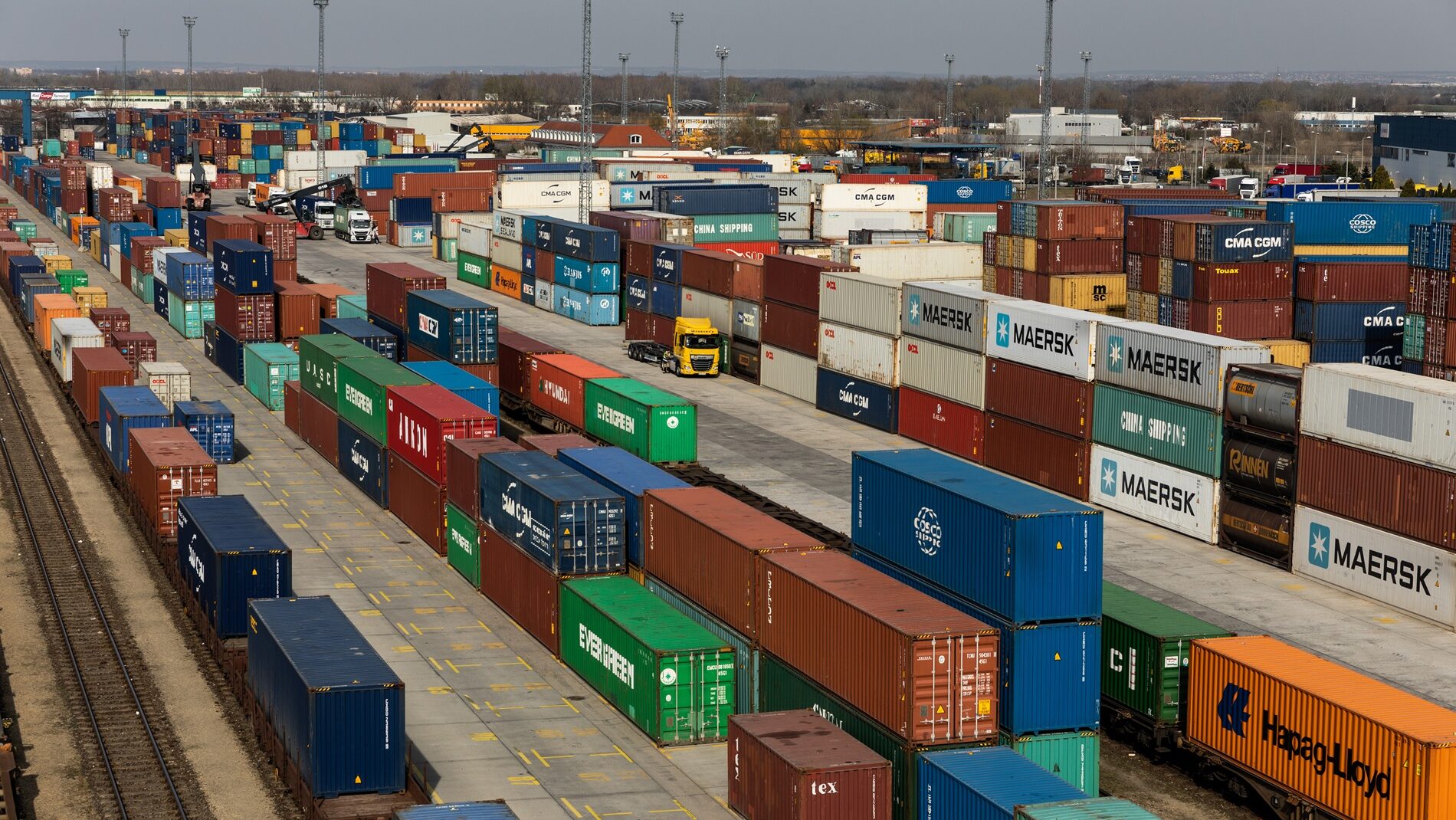
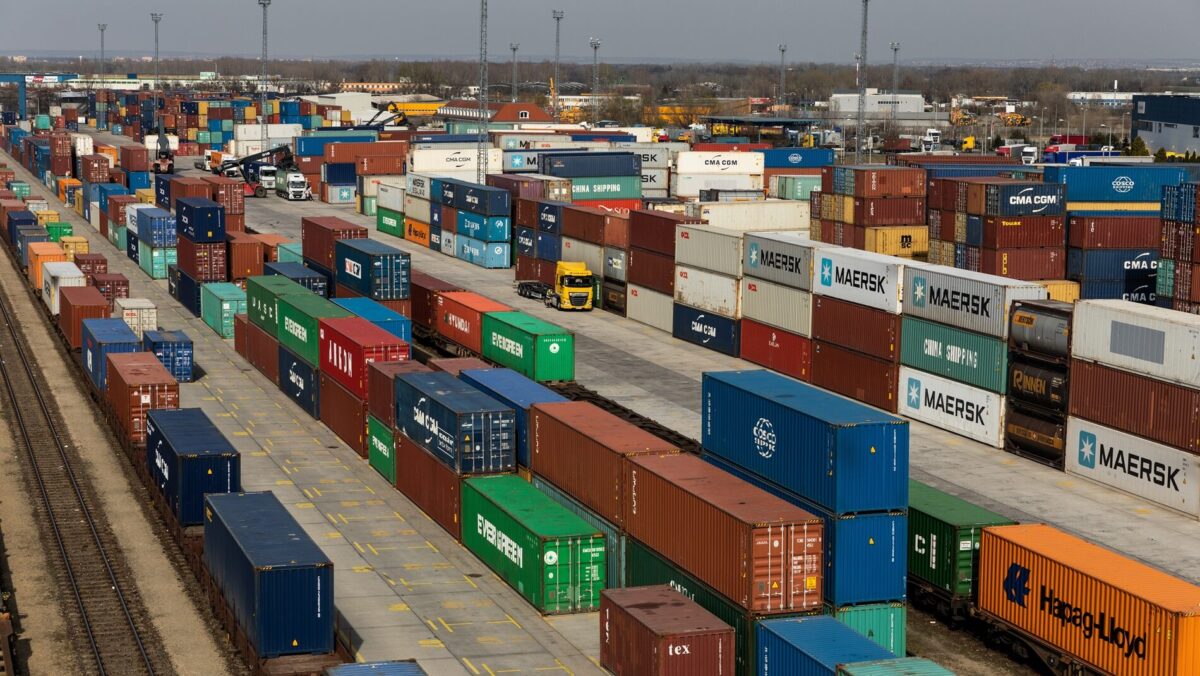
In the ports, hydrogen-powered reach stackers and terminal tractors can be refueled quickly and efficiently. The operating times of the vehicles depend on the handling business and can thus be flexibly managed. In addition, ports will increasingly be frequented by trucks powered by hydrogen technology in the future.
In bus transport, hydrogen has advantages particularly on long-distance routes, as the charging capacities of batteries are still limited and recharging during daily operations is only possible at terminal stops. KVB and its subsidiary Schilling Omnibusverkehr GmbH (SOV) in Hürth are preparing to transition bus lines with particularly long routes from diesel operation to alternative drives by 2030. Hydrogen technology, as a form of e-mobility, can play a role in this.
The infrastructure for refueling with hydrogen is a central prerequisite for the use of fuel cell technology. Particularly in the transport sector with truck traffic at national and international levels, it is not feasible to operate company-owned filling stations. GVG can be an important service provider as the operator of a hydrogen filling station.
Investigated Locations
A total of five locations in Hürth and Cologne on the properties of the respective companies were examined for feasibility and economic viability. All five considered locations prove to be suitable for the establishment of hydrogen filling stations. The three companies now have a basis to think ahead about further steps.
The results of the study serve as a foundation to clarify and advance legal, financial, and political framework conditions. Furthermore, location-specific risk assessments within the framework of construction application procedures and an exploration of the needs of external customers are necessary for the concrete establishment of hydrogen filling stations.
Photo: © Loginfo24 / Adobe Stock