Solvium Capital Experiences High Demand for Swap Bodies
16. August 2022
Oliver Lehmann is Head of Logistics at neska
17. August 2022
With the largest vehicle fleet in the country and its many properties, Swiss Post is currently responsible for one percent of CO2 emissions in Switzerland. This results in a significant carbon footprint. However, the Post also has a large lever to reduce CO2. In its operations, it has many opportunities to cut CO2 emissions. Therefore, the Post is moving forward and accelerating its climate and energy goals by ten years.
(Bern) Swiss Post is significantly increasing its efforts in climate and energy reduction and aims to be climate-neutral by 2030. As the largest fleet owner in Switzerland and a state-affiliated company, the Post wants to lead by example. Christian Plüss, Head of Mobility Services and member of the Executive Board of Swiss Post, answers questions about these ambitious goals.

Christian Plüss
Christian Plüss, the Post has set new sustainability goals. Why?
We want to consistently confront climate change. The Post operates the largest vehicle fleet in the country and owns many properties. Overall, we emit one percent of CO2 emissions in Switzerland. Thus, we have a significant carbon footprint. However, this also gives us a large lever to reduce CO2 and energy consumption. Our drive is to reduce as much CO2 as possible.
What do the tightened goals entail exactly?
By 2030, the Post aims to be completely climate-neutral in its own operations. This is ten years earlier than previously planned. This includes transitioning our vehicles for the delivery of letters and packages, as well as in passenger transport, to alternative drives, using only electricity from renewable energy sources in Switzerland, and replacing fossil heating systems. The PostAuto fleet will also be gradually electrified or operated fossil-free. However, we will not be able to reduce all CO2 emissions by 2030. Therefore, we want to offset the remaining emissions that cannot be reduced through these measures. By 2040, the Post aims to reduce or remove all emissions across the entire value chain – including with its suppliers and transport partners – achieving net-zero CO2 emissions.
Setting goals is easy. How realistic is it that the Post will achieve them?
With the accelerated climate and energy goals, the Post is taking a leading role in the Swiss corporate world and making a significant contribution to the Federal Energy Strategy 2050. We have set ourselves deliberately ambitious goals that can only be achieved with very significant efforts. Not least, we also rely on our partners, such as suppliers or transport partners, to support our initiative. But I am confident that we will succeed.
What makes you so confident?
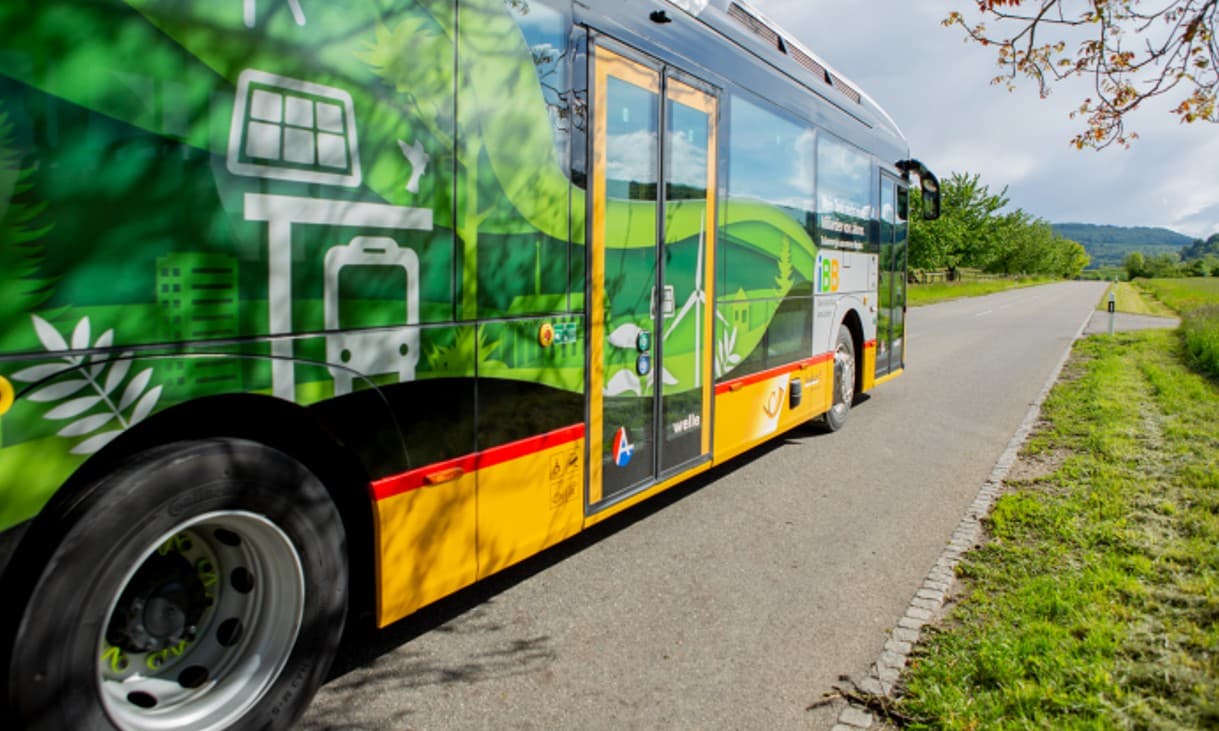
The lever we have is large. Each year, we deliver 1.8 billion letters and 200 million packages, we are the largest provider in public road transport with 2,400 buses, operate a very large vehicle fleet, and manage an extensive portfolio of buildings. This means, on one hand, a high energy consumption and a high CO2 output, but on the other hand, also many opportunities to really make a difference in emissions.
 Photovoltaic system planned for the logistics center in Villmergen (AG). It will cover most of the energy needs of the planned center itself.
Other companies have been striving for this goal for a long time. Is the Post not a bit late to jump on the climate bandwagon?
No. The Post has been making significant efforts for years and has successfully reduced emissions. In the last five years alone, we have been able to reduce CO2 emissions in package logistics by 20 percent. For the past five years, the current 6,065 electric scooters in postal delivery have shaped the Swiss streetscape. Since 2021, all Post shipments have been labeled “pro clima” and are thus CO2-compensated – without additional costs for customers, mind you. This shows that we have been working for a long time to make the Post more sustainable. Now, however, we are significantly increasing the pace.
What are the next steps?
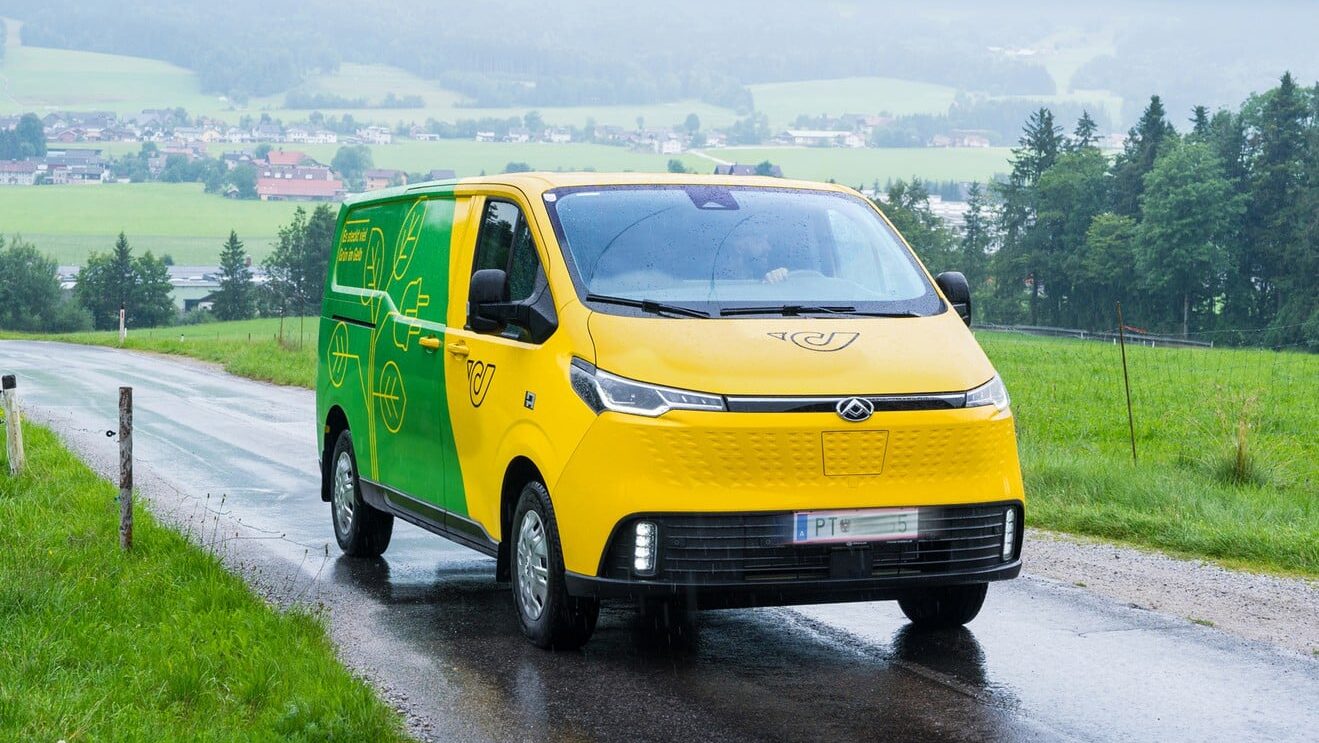
Implementation is in full swing. To name just two examples: In three years, we want to deliver letters and packages in urban centers solely with electric vehicles. Despite current delivery difficulties, we will receive additional e-delivery vans by the end of the year, which we will deploy in Bern and Zurich. By the end of 2024, 100 electric postal vehicles should also be on Swiss roads.
 One of the six electric postal vehicles operating in the Brugg AG region.
And where are the stumbling blocks?
There may be delays in the delivery of vehicles due to ongoing global supply shortages caused by the pandemic and the war in Ukraine. Additionally, there are political challenges for PostAuto: The cantons order our services on public transport lines. We depend on them to support our initiative and to bear the – initially still – higher costs. We also take the energy crisis seriously.
Regarding the energy crisis and the impending power shortage: Will the Post have enough electricity to operate the electric fleet?
Unfortunately, this is not solely in our hands. In principle, the electrification of our vehicle fleet will increase electricity demand, that is correct. However, as we will significantly increase our self-production with solar panels at the same time, we will increase our autonomy in the medium term. Nevertheless, the Post is preparing intensively for a possible energy shortage. We expect that the Post can continue to provide a large part of its services even with less electricity. The first priority is services and offerings from basic supply.
The Post and its sustainability efforts:
- The climate and energy goal of Swiss Post encompasses the entire company, including PostAuto and PostFinance, its own operations, and the entire value chain. The goal is scientifically based according to the Science-Based Targets initiative (SBTi) and aligns with the UN climate goal of limiting global warming to a maximum of 1.5°C.
- Under the initiative “Route:E,” all activities for the transition to alternative drives are bundled. The Post currently has 6,065 electric three-wheeled delivery vehicles. Additionally, there are 364 electric delivery vans. Furthermore, two electric trucks are in use for construction logistics, along with another six electric postal vehicles. This gives the Post the largest electric vehicle fleet in Switzerland.
- The Post aims to deliver all letters and packages climate-neutrally with alternatively powered vehicles starting in 2030.
- From 2025, all shipments in urban centers will be delivered entirely with electric vehicles.
- In the last five years, the Post has reduced 20% of CO2 emissions in package logistics.
- All Post shipments are labeled “pro clima” and are thus CO2-compensated.
- With the initiative “casa verde,” we ensure that sustainability measures are also implemented in the real estate sector. For example, photovoltaic systems are being installed on the roofs of Post buildings. With these systems, 10.6 GWh of solar power was produced in 2021. Additionally, by 2030, we will replace heating systems with CO2-free alternatives such as heat pumps, pellets, or district heating in about 80 percent of our building areas.
- For more information on sustainability at the Post, please visit here. (www.post.ch/verantwortung)
Fotos: © Schweizerische Post