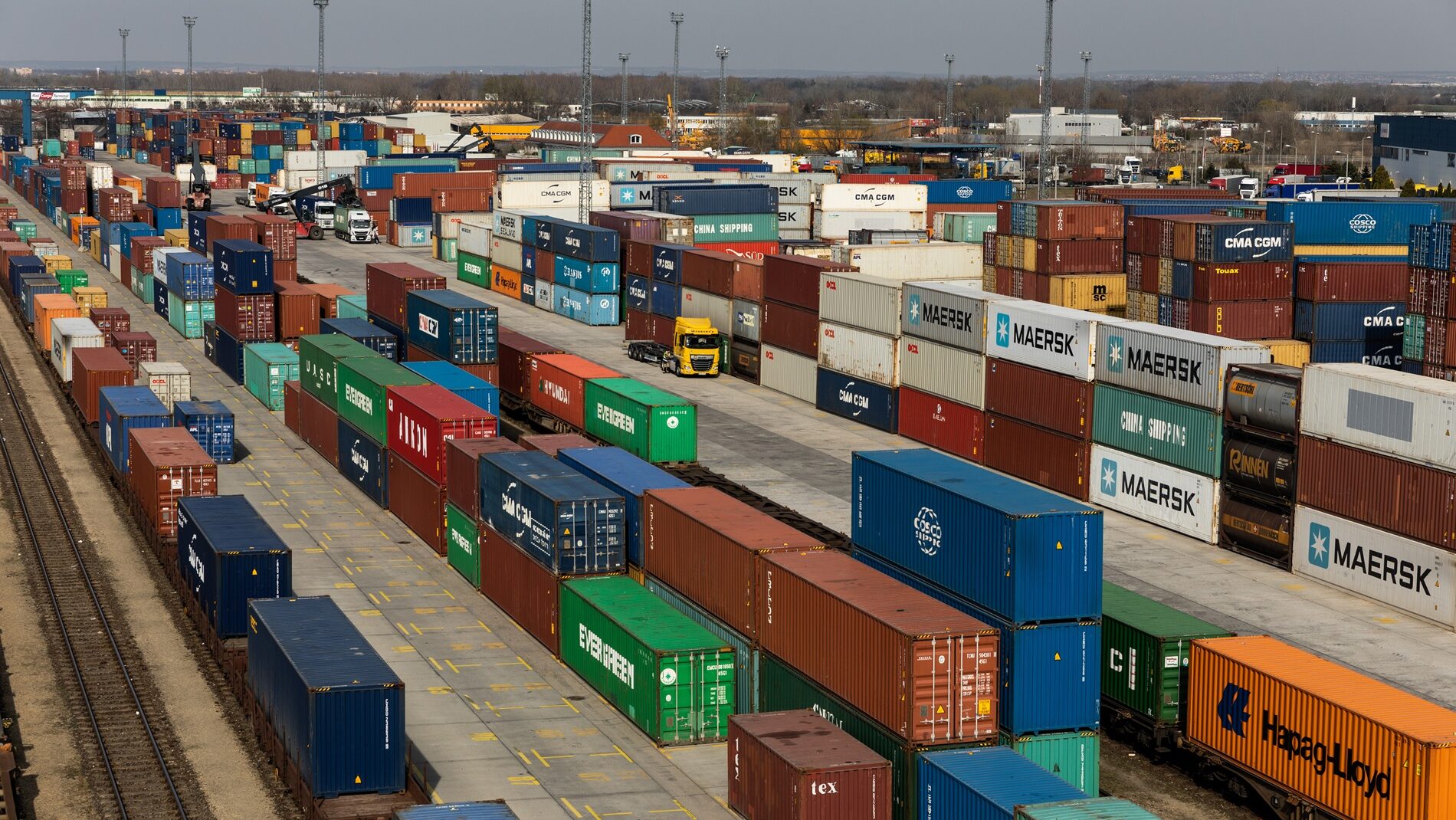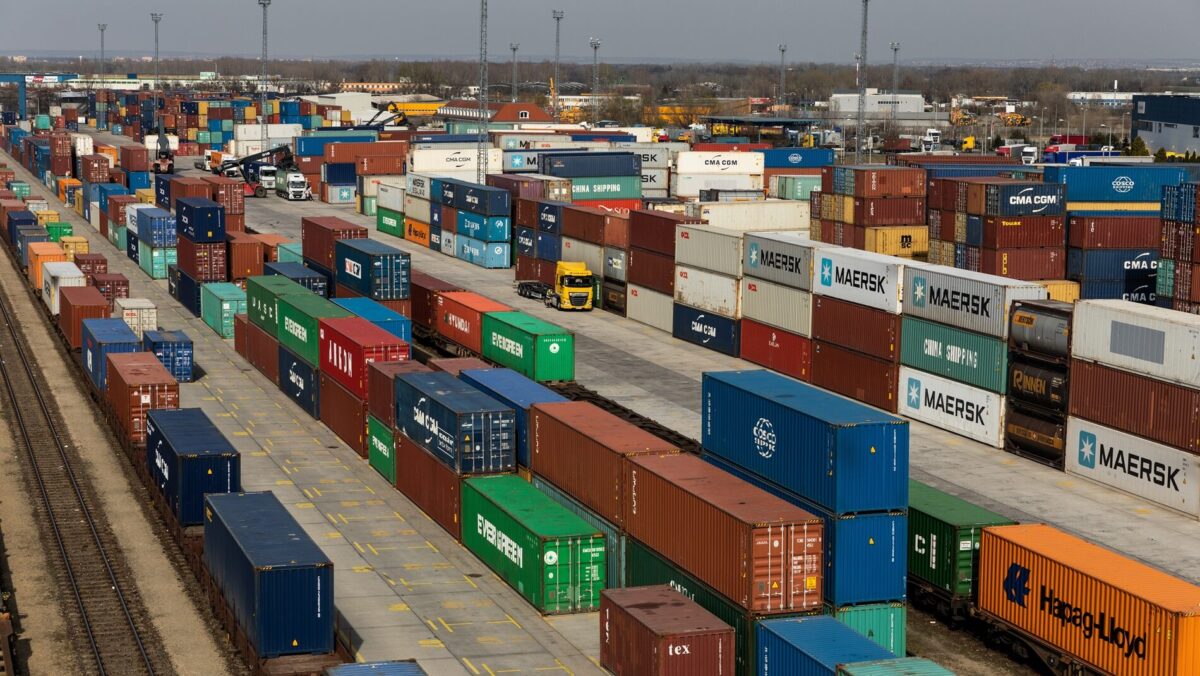


Hapag-Lloyd Equips Dry Container Fleet with Trackers
31. August 2022
Cargo sous Terrain with New Organization into Detailed Planning
31. August 2022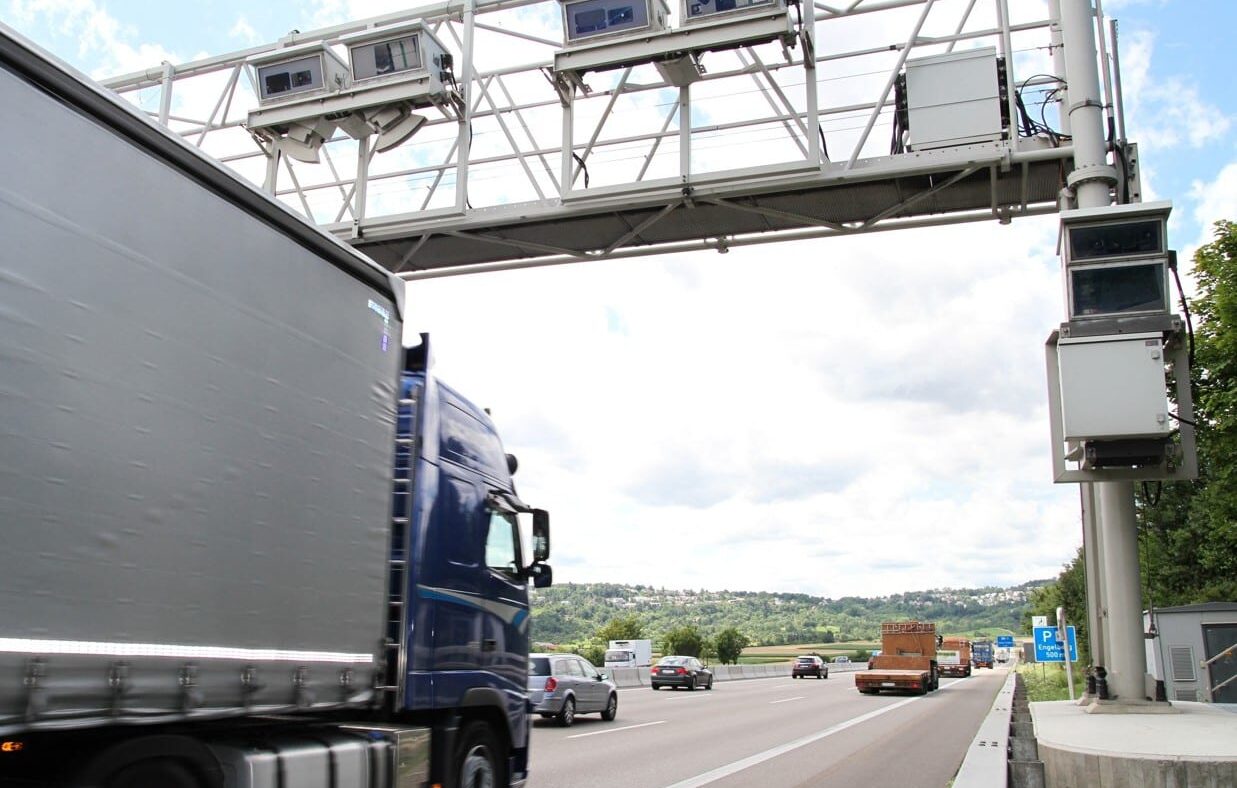
The Swiss Federal Council’s proposals today for a new generation of LSVA devices are seen by the Swiss Commercial Vehicle Association ASTAG as a step in the right direction. It is crucial that the unavoidable, purely technical adjustments are made without additional burdens on the industry. The planned ‘further development’ of the LSVA is a separate issue and must be clearly distinguished from the system change in 2024.
(Bern) The Swiss Commercial Vehicle Association ASTAG acknowledges the necessity to renew the collection system for the performance-dependent heavy vehicle charge LSVA. Due to technical reasons, several components (e.g., collection devices in vehicles, processing terminals at national borders, control systems on national roads) have reached the end of their lifespan and must be replaced. Starting in 2024, a third-generation collection system (LSVA III) is needed, also for the sake of ‘interoperability’ with toll systems abroad. Therefore, ASTAG welcomes the proposals that the Federal Council has today submitted to Parliament for amending the Heavy Vehicle Charge Act (SVAG) and the Heavy Vehicle Charge Ordinance (SVAV).
Purely Technical Proposal – Further Minimize Costs
It is absolutely essential that the adjustments are revenue-neutral. The public sector must not receive higher LSVA revenues solely due to technical innovations than it does today. An additional burden on the road transport industry must be excluded. Therefore, ASTAG has advocated from the beginning that LSVA devices continue to be provided free of charge to vehicle owners. It is also positive that the tariff calculation should continue to be based on kilometers driven, as well as on the emission class and the relevant weight of the vehicle or vehicle combination. Fortunately, the Federal Council’s proposed solution is indeed limited to technical aspects. The intensive professional discussions held in advance with the responsible Federal Office for Customs and Border Security (BAZG) have evidently paid off: ‘ASTAG fundamentally supports the proposal,’ says Central President and Councilor Thierry Burkart: ‘However, we will, of course, advocate for minimizing certain additional efforts and adjustments for transport companies.’
Further Development of LSVA: Start-up Financing is Central
A completely different topic is the ongoing ‘further development’ of the LSVA in the long term, which was initiated by the Federal Council with the 2019 shift report. The technical modernization of the collection device must not be used to make hasty structural adjustments and thus hidden tariff increases. Instead, the LSVA renewal must be carefully examined in connection with the decarbonization of road transport and in close dialogue with the industry.
The Focus is on an Industry-Compatible Solution
Investment and planning security must be ensured, particularly. Transport companies must be able to rely on fixed amortization periods for 10 years from the purchase of a commercial vehicle with an alternative drive (hydrogen, electric, gas). Additionally, start-up financing is absolutely necessary. Only in this way can even smaller companies have a chance to successfully manage the upcoming modernization of today’s already low-emission vehicle fleets for the benefit of the environment and climate. ‘ASTAG is happy to participate constructively in the discussions about the further development of the LSVA,’ emphasizes Thierry Burkart: ‘The focus is on an industry-compatible solution without changing the goals of the LSVA set by the Federal Constitution and the electorate.’
The Official Announcement from the Swiss Federal Council:
Photo: © Loginfo24/Adobe Stock