Nexxiot Digitizes CHEMET’s Tank Cars
19. October 2022
CTL Distributes Bonus Payments of Over 800,000 Euros
19. October 2022
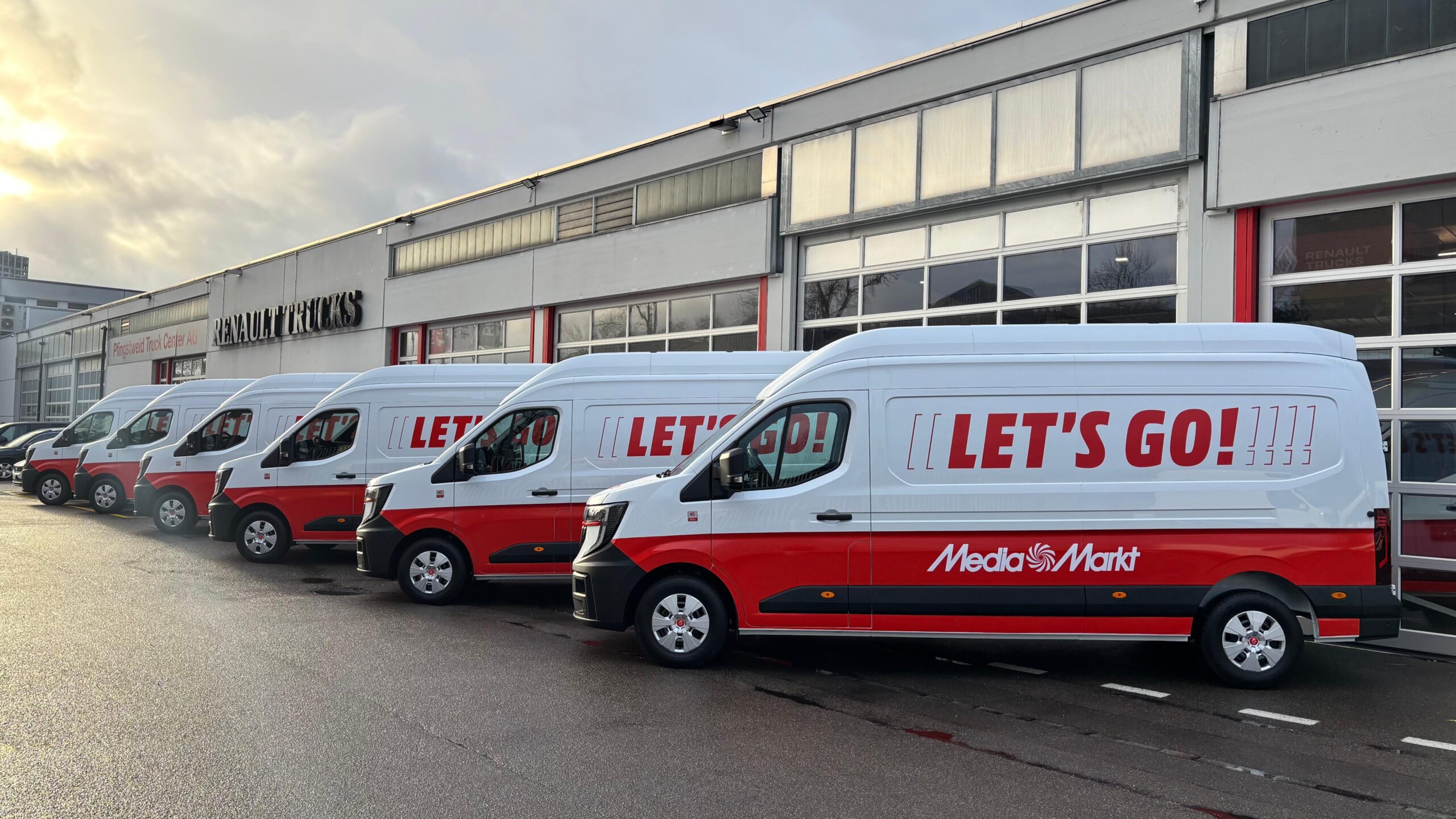
TALKE, one of the world’s leading providers of logistics solutions for the chemical industry, has incorporated CNG tractors into its vehicle fleet in Germany. This strengthens the company’s sustainable practices with the aim of reducing its own CO2 emissions. The first two gas-powered tractors from the brand Scania have now commenced operational service.
(Hürth) In terms of alternative drives, TALKE is currently focusing more on CNG (Compressed Natural Gas) instead of LNG (Liquefied Natural Gas). Unlike the currently highly demanded LNG, CNG is significantly more price-stable. Both types of propulsion share the fact that they are more sustainable than diesel trucks: CNG burns much cleaner and causes, on average, up to 20 percent less CO2. With Bio-CNG, which is increasingly available at gas stations, savings of up to 90 percent in CO2 emissions are even possible. Furthermore, CNG produces 35 percent less nitrogen oxides and even 95 percent less fine dust than diesel. “We have been dealing with alternative drive technologies for some time now. On the one hand, we want to positively influence our own climate balance and, on the other hand, support our customers in achieving their climate goals,” says Christoph Grunert, who is primarily responsible for sustainability in the TALKE management. Within the TALKE Group, the subsidiary Grimmener SpeziTrans has already gained positive experiences with LNG and CNG semi-trailers since the beginning of 2020.
Long-term Goal of Complete CO2 Avoidance
The long-term goal is the complete avoidance of CO2 emissions: “We are aware that gas-powered trucks are not yet the final solution to today’s challenges. Nevertheless, CNG is indispensable today as a practical bridging technology,” says Grunert. In the medium term, the company sees hydrogen as a top driver for improving the CO2 balance – in combination with intermodal transports, which TALKE is also significantly expanding. “However, a prerequisite is that the hazardous goods regulations are changed promptly. Currently, these still prohibit the use of batteries and hydrogen in ADR transport,” says Grunert.
Photo: © TALKE