KION Warehouse Systems Expands Reutlingen Location
28. November 2022
Majority of Logistics Companies Use Digital Freight Documents
28. November 2022
A new digitalization project in combined transport aims to accelerate the allocation between intermodal loading units and rail cars. Using suitable calculation methods and employing techniques from the field of artificial intelligence (AI), the loading of the loading units onto the rail cars is to be optimized.
(Berlin/Frankfurt) The project “KIBA”, which stands for “Artificial Intelligence and Discrete Loading Optimization Models for Increasing Utilization in Combined Transport”, was launched in early September 2022. Last Friday, Federal Minister Volker Wissing presented the project team with the funding certificate at the Federal Ministry for Digital and Transport in Berlin and wished them a successful start to the IT project, which is funded by his ministry with a total of 2.34 million euros over a period of three years as part of the Innovation Offensive for Artificial Intelligence in Mobility. In addition to the project coordinator Kombiverkehr Deutsche Gesellschaft für kombinierten Güterverkehr mbH & Co. KG, the project partners include Technische Universität Darmstadt, Deutsche Umschlaggesellschaft Schiene-Straße (DUSS) mbH, Goethe-Universität Frankfurt, VTG Rail Europe GmbH, INFORM GmbH, and KombiConsult GmbH.
Determine Optimized Allocation
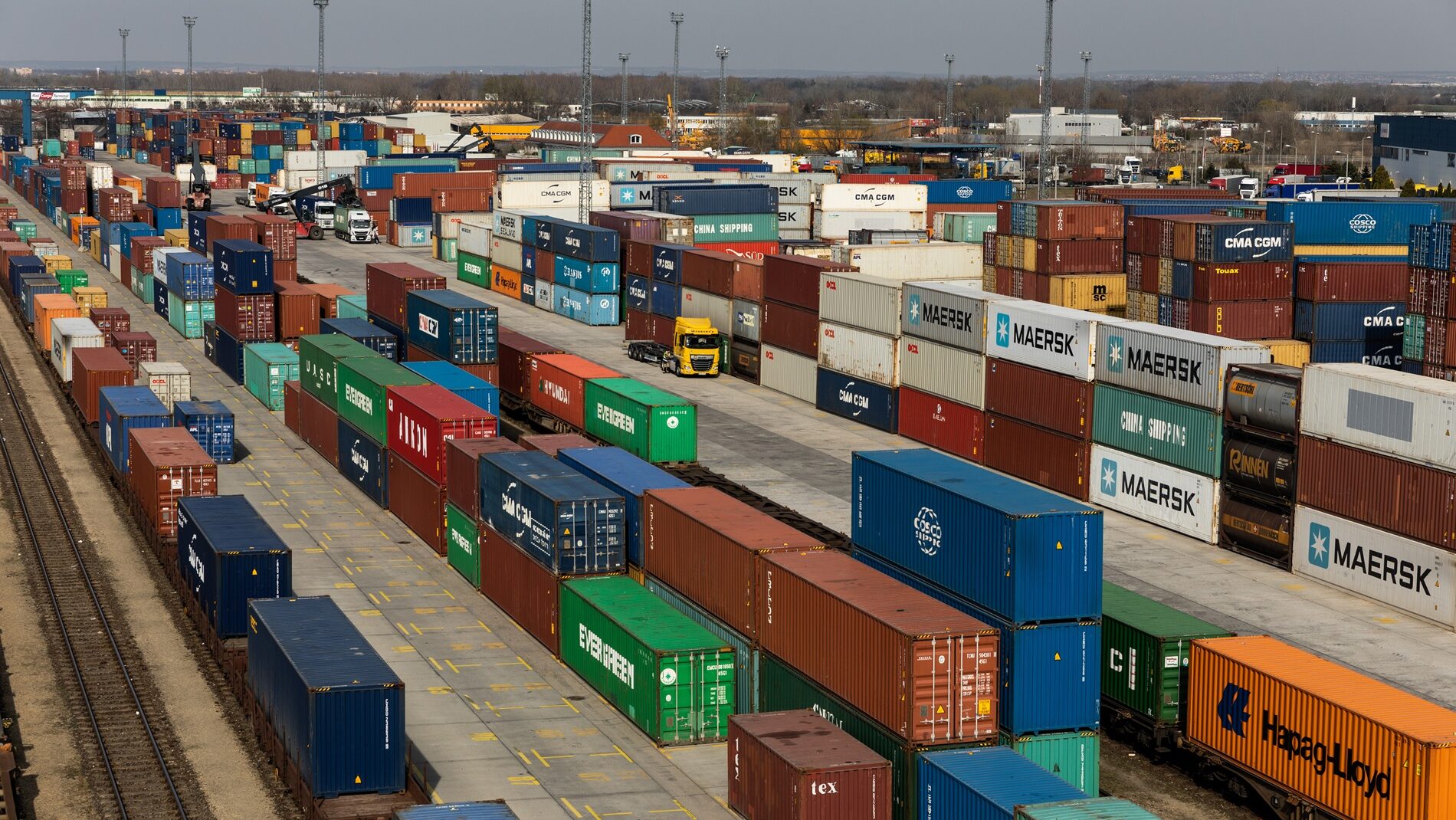
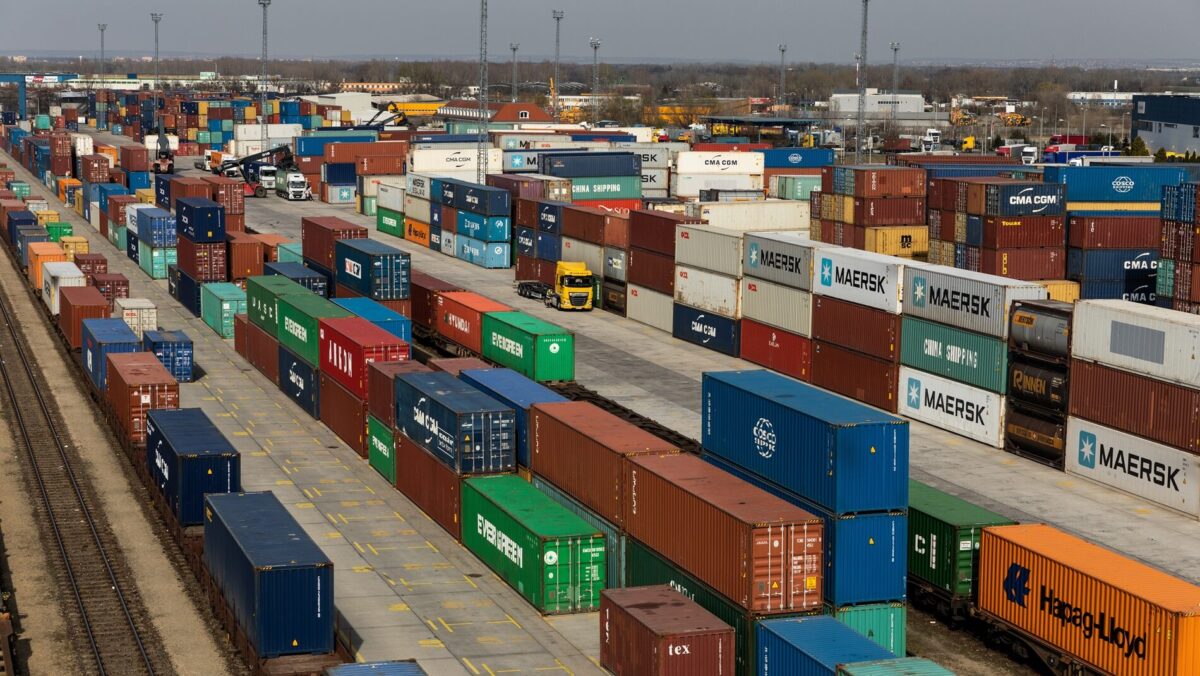
Continental combined transport is characterized by a large heterogeneity of loading unit types and the rail cars used. The major challenge is to determine a valid and optimized allocation between the loading units and the rail cars based on various target criteria. In this context, in addition to the static-technical characteristics of the semi-trailers, containers, and swap bodies in their different designs and rail cars on one side, variable parameters such as actual weight and type of loading as well as the schedule play a significant role on the other side.
Every Request Should Receive a Proposal Quickly
The project goal is that every request for loading a loading unit receives a proposal for optimal placement of the loading unit on a deployed train set within the shortest possible time, and this even at a point in time before all information is available regarding which other loading units will arrive at the shipping terminal for the same start/destination relation before departure. The AI-supported loading optimization is intended to further advance the capacity management of intermodal operators with their extensive networks.
Photo: © Kombiverkehr