Swiss Post Can Finance Basic Services Itself
25. June 2023
At the NUFAM Media Day, alternative drives were discussed
25. June 2023
In two years, the first locally produced green hydrogen could be used in Duisburg: duisport and Lhyfe GmbH, a pioneer in the production of renewable green hydrogen from Cologne, are exploring the feasibility of building the first larger electrolysis plant in the Duisburg port. The Duisburg Transport and Supply Company (DVV), the Duisburg Economic Enterprises (WBD), and the Duisburg Gateway Terminal (DGT) would use the hydrogen directly for local purposes. To this end, all participating partners have signed a letter of intent.
(Duisburg) To support the local economy in its transition to climate-neutral energy sources and to decarbonize mobility solutions, the project partners are working closely together and simultaneously acting as future customers of the 100 percent green hydrogen. The DVV will use the sustainable energy carrier for its hydrogen buses, the WBD for its hydrogen-powered waste collection vehicles, and duisport for internal port logistics and the operation of the DGT.
Establishment of a New GmbH
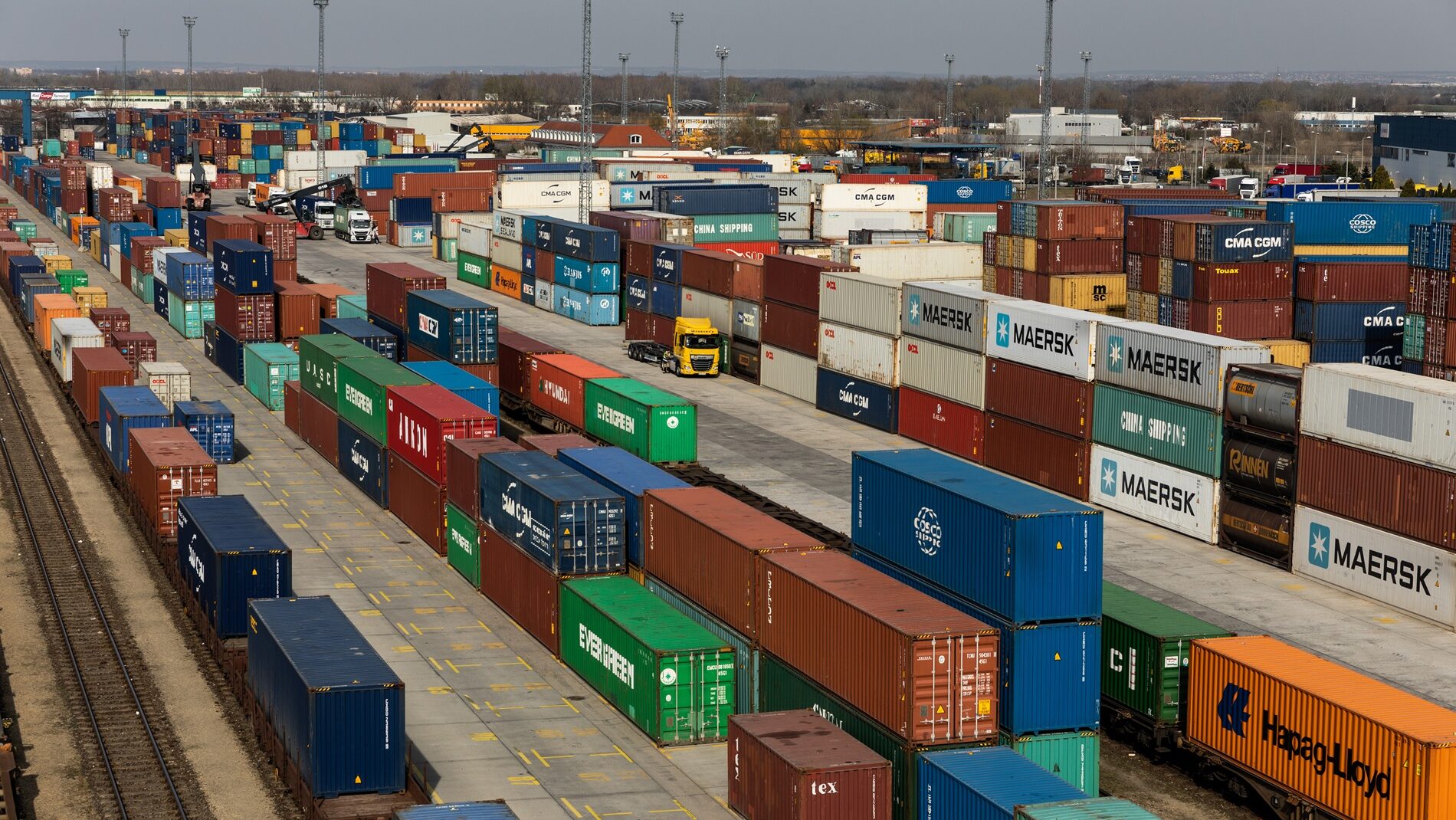
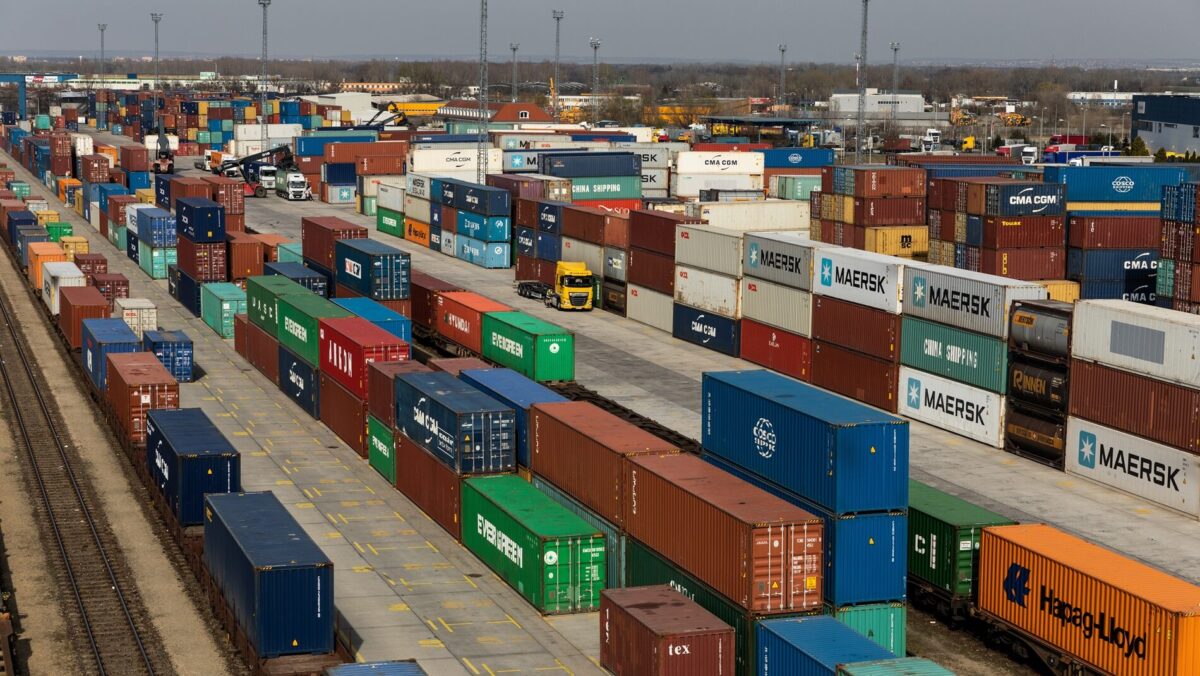
To realize the project, Lhyfe has established Duisburg Hydrogen GmbH and will initially conduct the feasibility study. The hydrogen production facility with a capacity of up to 20 megawatts, which will be built in the outer port in Duisburg-Hochfeld on a site owned by Duisburger Hafen AG, could be operational by mid-2025. “The construction of the first large electrolyzer in the Duisburg port would be a milestone on the path to decarbonizing the domestic economy and industry,” says duisport CEO Markus Bangen. “At the same time, we are fulfilling our promise to not only build the largest container terminal in the European hinterland with the Duisburg Gateway Terminal but also to operate it completely climate-neutral.”
“Our project planning always takes place in very close communication with the stakeholders. This type of hydrogen development creates individual and tailored projects, from whose expertise we can successfully show other customers a way out of fossil energies,” says Luc Graré, Head of Central & Eastern Europe at Lhyfe GmbH. “Lhyfe expects that this feasibility study will demonstrate how the transition to green hydrogen is already feasible to a significant extent today.”
Feeding Exclusively Renewable Energies
To ensure the production of green hydrogen, the electrolysis plant is to be fed exclusively with renewable energies. If the project is implemented, up to eight tons of green hydrogen could be produced daily and made available to the partners as needed.
“Hydrogen is a central building block of the energy transition. As a corporation, we are therefore involved in all critical stages to make green hydrogen usable here on site,” says Marcus Vunic, Managing Director of the DVV. Because an electrolyzer requires corresponding amounts of electricity and water, as well as a sufficiently sized grid connection, Vunic explains: “Netze Duisburg is providing the necessary infrastructure with a grid expansion, while Stadtwerke Duisburg, as a leading regional energy supplier, is securing the required green electricity through a supply agreement, and at the same time, we are using hydrogen for our fuel cell bus fleet in public transport with DVG.”
“The project perfectly supports the corporate strategy of the Duisburg Economic Enterprises to gradually convert their entire vehicle fleet to alternative drives. With the upcoming electrolysis plant in Duisburg port, the Duisburg Economic Enterprises can take short routes to refuel their hydrogen-powered vehicles with green hydrogen. It is an excellent example of how collaborative action works in Duisburg. Good for our customers and another contribution to climate protection,” says Thomas Patermann, spokesperson for the WBD, who is also convinced of the initiative.
To optimally supply the hydrogen vehicles with green hydrogen, the participants will rely on the existing infrastructure and refueling facilities. Lhyfe serves as a reliable expert for the DVV and WBD in transitioning their fleets, having supported various companies and transport operators in switching to green hydrogen through various already active hydrogen projects in the mobility sector.
Local Production for Local Consumption
Alexander Garbar, Head of Corporate Development and Strategy at duisport: “Local production for local consumption: We are creating an ideal solution for the Duisburg location and Duisburg companies. Together, we will make every effort to ensure that the facility can go into operation as quickly as possible and that all participating partners are supplied with locally produced green hydrogen.”
Photo: © duisport