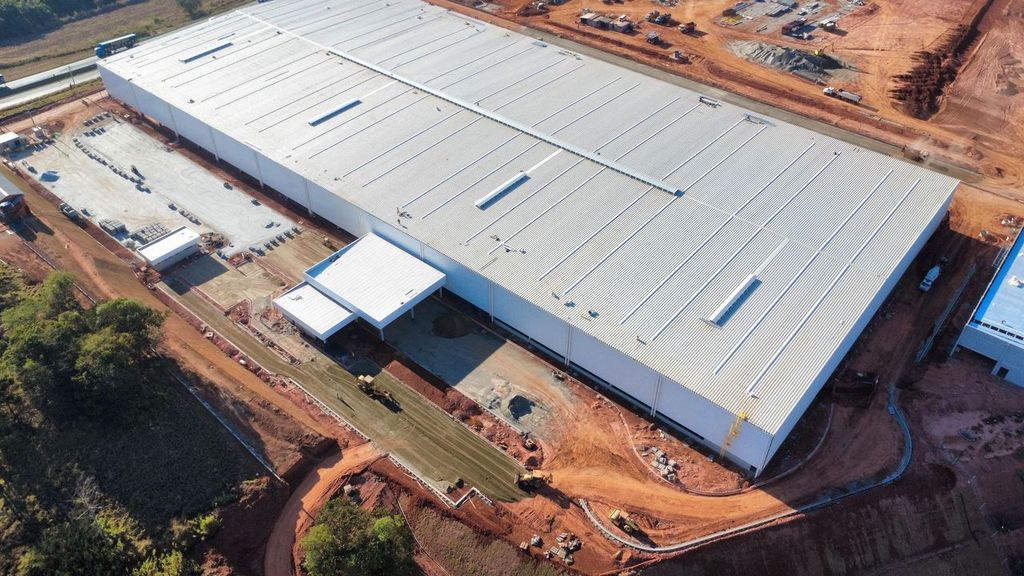
TOPREGAL has been selling shelves online for 15 years
15. March 2024
sennder, Mercitalia and Poste Italiane Announce New Cooperation
15. March 2024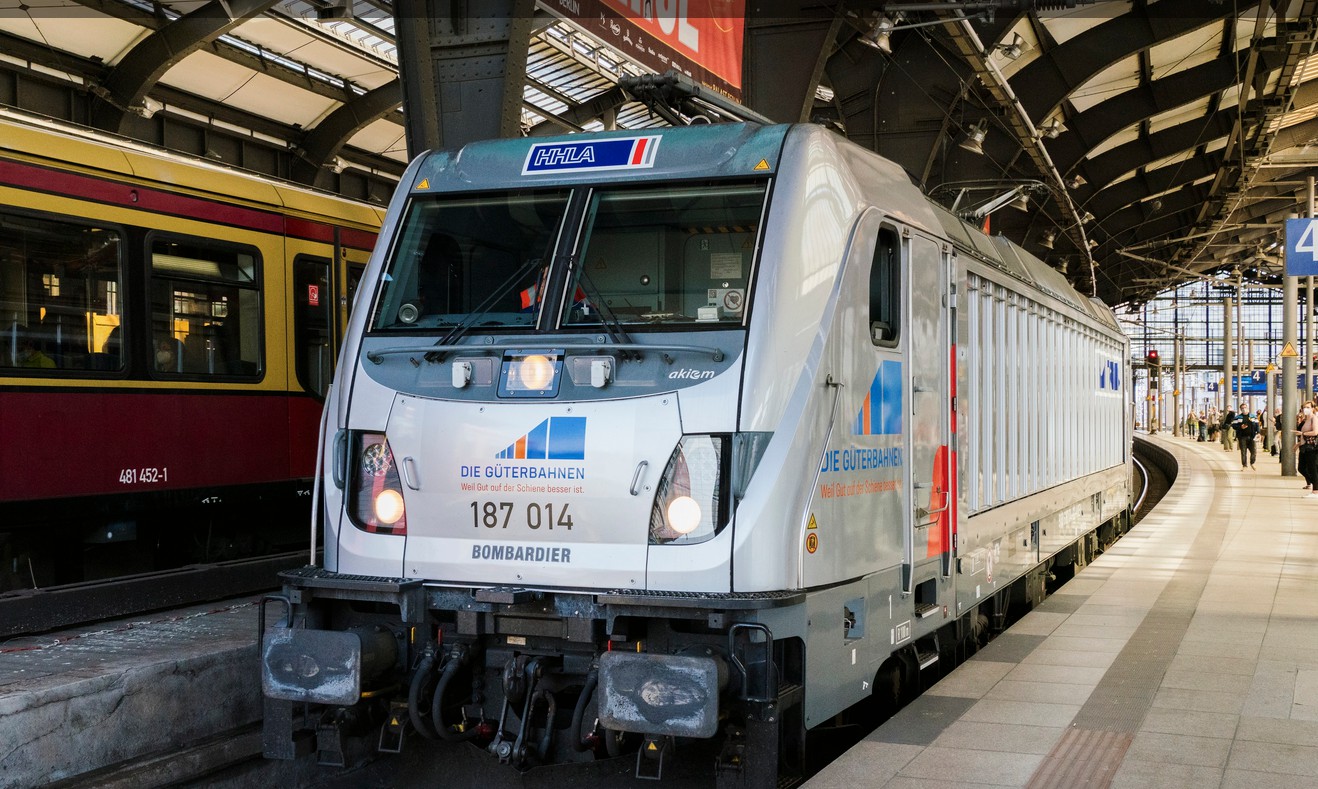
The DB InfraGO (formerly DB Netz) has adjusted its application for the approval of future track usage prices upwards. Together with the reduction of track price subsidies, the FREIGHT RAILWAYS industry now expects a deadly price shock of plus 121 percent within a year. Politics must intervene.
(Berlin) “In one respect, the name change from DB Netz to DB InfraGO has brought changes: price increases now apparently come more easily. To impose the rise in its own costs on the market unrestrainedly right now brings competitors, but also the state-owned cargo division, to the brink of collapse,” criticizes Peter Westenberger, Managing Director of FREIGHT RAILWAYS.
With a renewed adjustment in the ongoing approval process, DB InfraGO has applied for a planned price increase from currently 3.21 euros to 3.73 euros per track kilometer next year for freight transport – an increase of more than 16 percent. This goes beyond the previously announced price increase of 13.4 percent. As the government simultaneously cuts federal funding for track prices, the price per kilometer will rise by 121 percent from December 2023 to December 2024. The truck toll increased by about 90 percent last year, but this was a one-time adjustment for many years. In rail transport, price increases are common annually.
Westenberger: “Despite the current challenges for the industry, InfraGO remains committed to the goal of generating profits at the expense of market-oriented railway companies. A dilapidated infrastructure, soaring costs, and reduced state funding would be good reasons to lower their profit targets in the interest of the common good.” A current example of dissatisfaction with InfraGO’s performance is the European freight transport corridor between Koblenz and Wiesbaden: Since early this morning, no train traffic has taken place here because it cannot staff a signal box.
The Railway Regulation Act (ERegG), which was supposed to stabilize track prices, has been failing to achieve its goal for years. The Federal Network Agency, which is supposed to oversee the market compatibility of track prices, is legally constrained. However, railway companies can no longer convey such price increases to any customer. What follows are empty order books, as customers shift to environmentally harmful trucks – and ultimately operational shutdowns.
Fix Track Prices by Law for Several Years
“The impending track apocalypse can only be prevented by politics. They should legally and through funding guidelines fix the level of track prices, as with the truck toll, for several years. Only if track prices are competitive compared to the truck toll can politics achieve its transport and climate goals. The long-term goal of the federal government should be to reduce operating costs through increasing rationalization investments in the rail network. Inaction will backfire. More and more FREIGHT RAILWAYS would collapse under cost pressure. Especially the planned equity increases at DB would be an enormous accelerant in the current track pricing system,” Westenberger concludes.
Photo: © THE FREIGHT RAILWAYS