BALM with Results of Focused Inspections in March
25. April 2024
VDR Wants Attractive Framework Conditions for German Shipping Companies
26. April 2024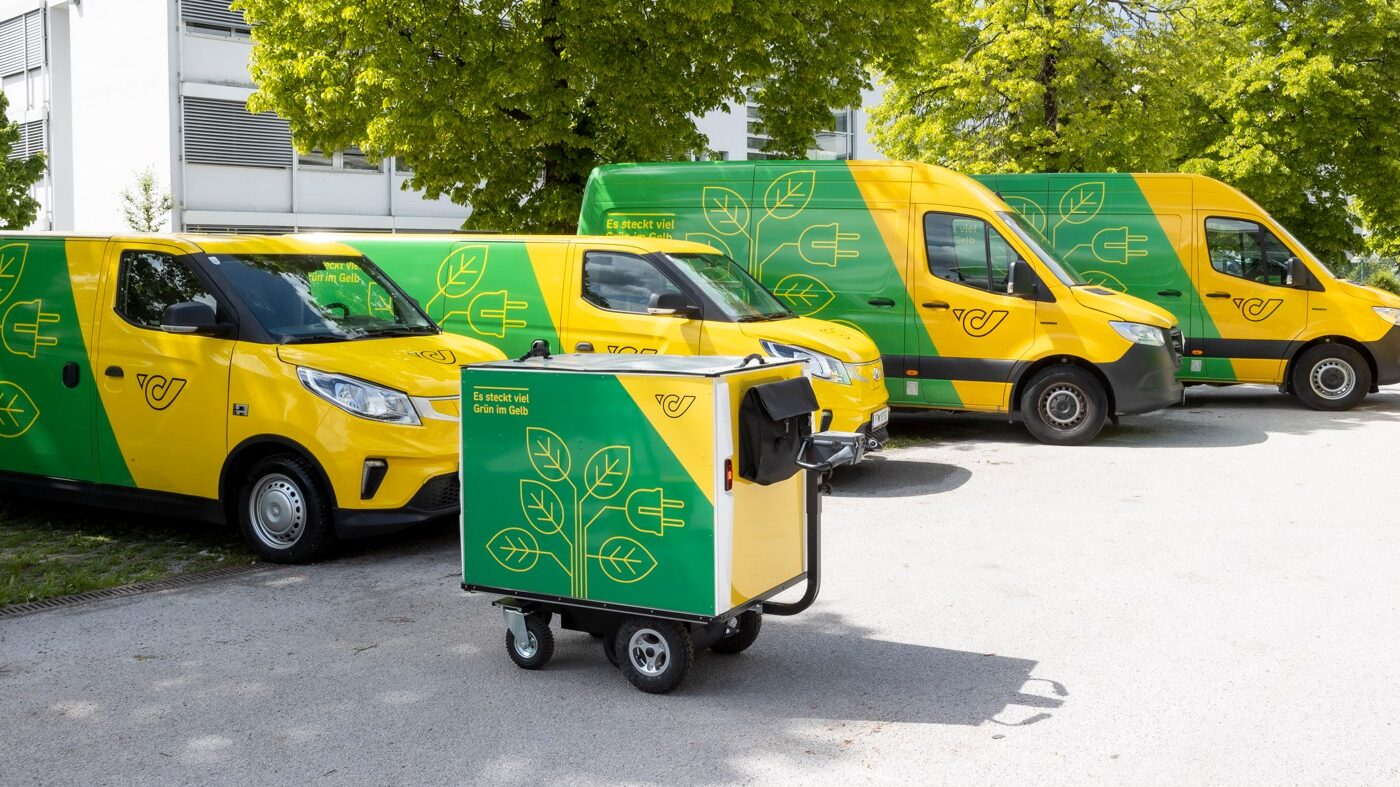
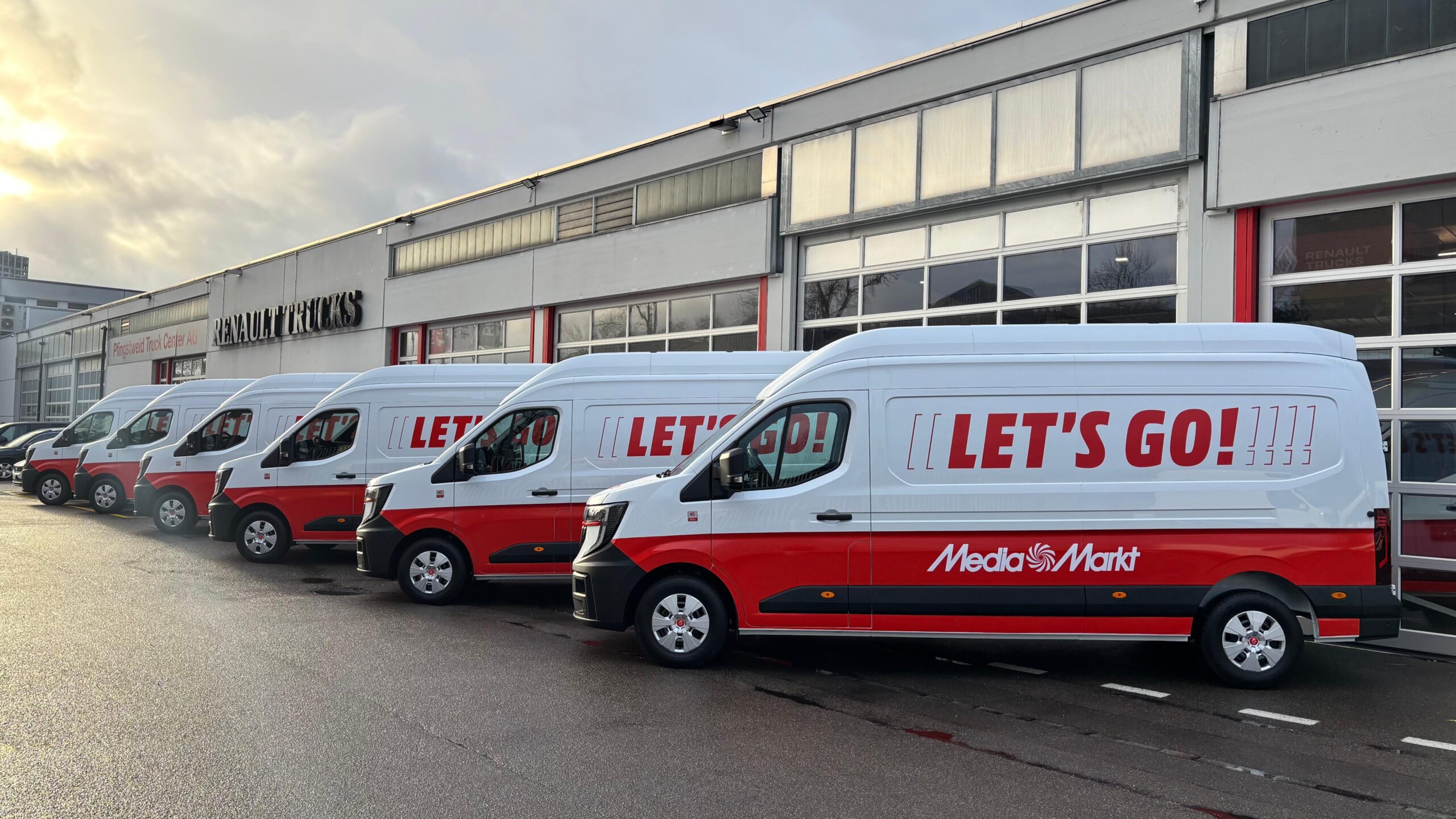
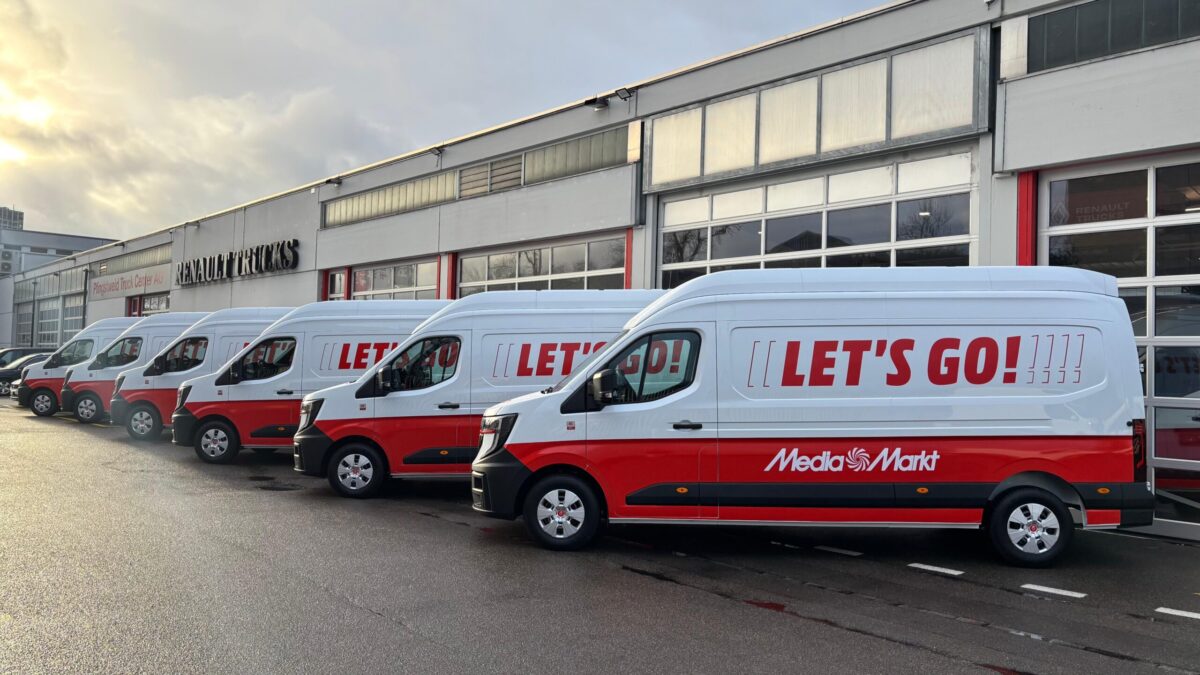
In July 2023, the Austrian Post announced its CO2-free delivery in Salzburg, and less than a year later, the transition has taken place: From now on, 193 electric vehicles of the Post are on the road in Salzburg. Packages, letters, printed media, and advertising mail will now be delivered electrically on the last mile. The electric vehicles are powered by green electricity from the Post’s photovoltaic systems and green power from Austria.
(Wien/Salzburg) “The rapid introduction of CO2-free delivery by the Austrian Post in Salzburg is an impressive example of sustainable innovation and environmental protection. This measure actively contributes to the reduction of emissions and sets a clear signal for a future-oriented, environmentally conscious logistics. Furthermore, this initiative shows that through joint efforts and investments in green technologies, we can make a significant contribution to climate protection,” said Stefan Schnöll, Deputy Governor of Salzburg.
“Green Salzburg” is another step in the sustainability agenda
“Green Salzburg” is an important step for the Post in its sustainability agenda, as it promises CO2-free delivery throughout Austria by 2030. “Our strong commitment to sustainable logistics is becoming visible step by step in Austria. Salzburg is now the third state capital, after Graz and Innsbruck, where we deliver CO2-free. In Salzburg, we cover around 1.9 million kilometers purely electrically each year, saving more than 180,000 liters of diesel,” explains Peter Umundum, Board Member for Parcel & Logistics, Austrian Post AG.
The parcel delivery takes place directly from the logistics center in Thalgau. Letters, printed media, and advertising mail are delivered from two delivery bases in the Salzburg city area. The Post has established 126 charging stations and put 193 electric vehicles into operation. The total investment costs amount to around six million euros.
Exception Mönchsberg
An exception is the delivery at Mönchsberg: As the only area in Salzburg, an all-wheel-drive vehicle is required for year-round delivery, which must also fit through a narrow, historic archway. Since there are currently no corresponding electric commercial vehicles with all-wheel drive available on the market, the Post will fuel this delivery vehicle with Hydrotreated Vegetable Oils (HVO) as soon as it becomes available in Salzburg. HVO is a renewable fuel made from waste, fats, plant residues, and vegetable oils. Compared to fossil diesel, up to 90 percent of CO2 emissions can be saved over the product lifecycle, according to manufacturers.
More than 4,000 electric vehicles on the road
More than 4,000 electric vehicles of the Post are on the roads of Austria. The Post’s electric fleet is not only the largest in the country by far, but it is also growing rapidly. Since spring 2022, only electric vehicles have been purchased for delivery, with up to 1,000 new ones added each year. The nationwide electric fleet consists of more than 1,200 e-bikes, e-cargo bikes, e-mopeds, and e-trikes, as well as more than 2,700 e-vans. By 2030, the Post will convert its entire delivery fleet of 10,000 vehicles to electric drive and deliver all shipments CO2-free.
Large trucks are running on HVO fuel
The required electricity is already partly produced by the Post itself: Nationwide, 28 photovoltaic systems with a current capacity of around 9.54 megawatts peak (MWp) are in operation. The nationwide expansion this year will amount to around 15 MWp. Only green electricity from Austria is purchased. In addition, the Post is also converting its transport logistics trucks to the renewable fuel HVO. In the state of Salzburg, the HVO-fueled trucks already cover more than 5,000 km per day.
Photo: © Austrian Post