Open Logistics Foundation Presents the Logistics Report v.1.0
25. May 2024
AI-Based Assistant Optimizes Warehouse Management System
25. May 2024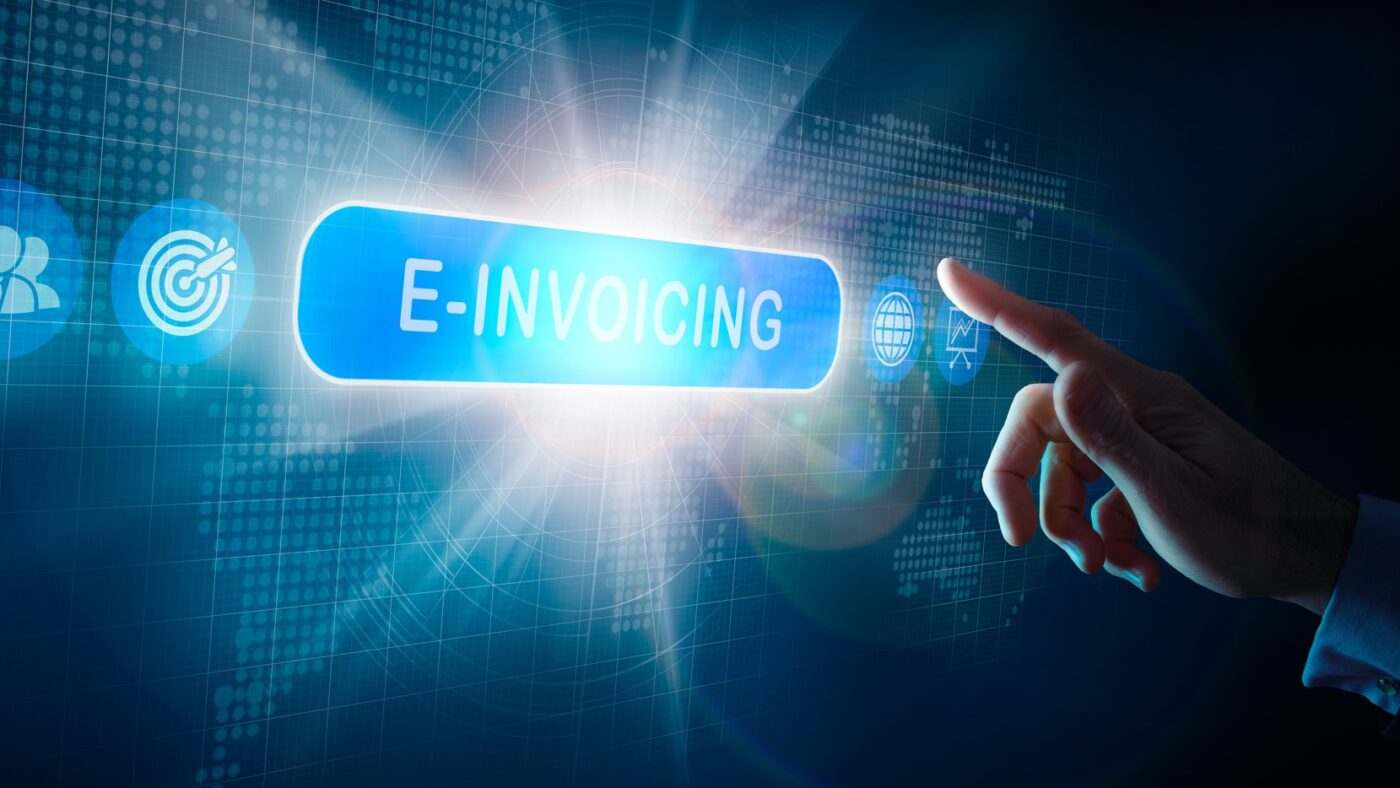
From January 1, 2025, electronic invoicing – also known as e-invoicing – will be mandatory for companies in B2B transactions, including the particularly invoice-intensive logistics sector. Specific formats must be urgently adhered to – simply sending a PDF document is not sufficient.
(Ostfildern) The software company Planat has already equipped its ERP solution FEPA, specifically developed for manufacturing companies, with the function for electronic invoice processing. This allows customers to comply with legal requirements for invoicing processes now and in the future. “This transition not only represents a requirement but also an opportunity. The digitization of invoice processing stands for faster processes with greater efficiency and goes hand in hand with the overall advancing digitization in companies. Invoices can be processed more quickly,” says Pierre Mayer, Managing Director of Planat. With FEPA, the company offers one of the most important standard ERP solutions for companies with in-house production – primarily from the machinery and plant engineering, metal construction, electronics and electrical engineering, as well as automotive sectors.
Digitizing Document Processes
In general, companies should view a comprehensive digitization of their document processes as an important goal: “Data and quick access to information are of great importance to every company. An ERP system, used in conjunction with a document management system, forms a valuable knowledge base that makes business processes significantly faster and more efficient. It is only logical to represent this electronically, as in the case of invoices between companies, and it ensures standardization. At the same time, approval processes can also be directly represented digitally,” Pierre Mayer continues. The European Union and the federal government also expect efficiency increases, cost savings, and a better environmental balance compared to paper processes from the introduction of the e-invoicing requirement. Furthermore, electronic documents can be evaluated automatically, which facilitates the fight against VAT fraud, among other things. However, companies working with outdated ERP solutions are under pressure: Only with patchwork and significant effort can electronic invoicing be represented here. “Since the introduction of ZUGFeRD and XRechnung, we have been working on integrating digital invoicing processes within our software solution to provide our customers not only with process optimization but also future security. Users of legacy solutions should generally inform themselves about the integration of such legal changes in their own ERP systems,” says ERP expert Pierre Mayer.
Deadlines for Transition
From January 1, 2025, companies must be able to process and securely archive electronic invoices. Until the end of 2026, there are some transitional regulations: If the invoice recipient agrees, paper invoices or electronic invoices in other formats (e.g., PDF) can still be used. Companies with an annual turnover of less than 800,000 euros have even one more year. Nevertheless, it is advisable to prepare for the transition now and to adapt the ERP systems in use to the standard, despite the transitional periods. The structured electronic format allows for the automatic processing of invoices and must meet the requirements of the European CEN standard EN 16931.
Format for Machine Processing
This means that e-invoices cannot simply be sent as PDF or Word documents to the invoice recipient, but must be in a format that can be processed automatically. “We have fully integrated this standard into our ERP solution FEPA and are now able to generate and process invoices in a legally compliant format,” summarizes Pierre Mayer, Managing Director of Planat.
Photo: © Planat