






EF Logistics Relies on Route Planning from Ehrhardt Partner
1. August 2024
Michael Löckener appointed Managing Director Operations at trans-o-flex
4. August 2024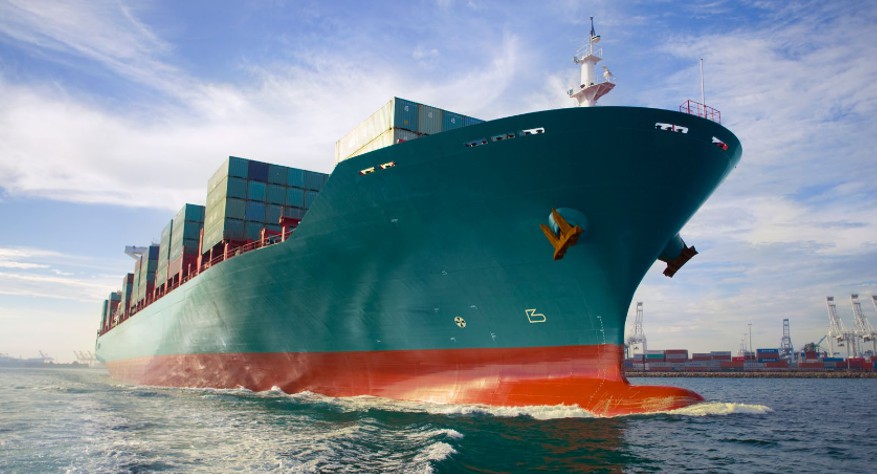
The connected supply chain SaaS platform E2open Parent Holdings, Inc. has released the Ocean Shipping Index (OSI) for the second quarter of 2024. This is a quarterly benchmark report that provides insights into decision-making in global ocean freight transportation. The data from the report indicates that the average transit time for containers from booking to receipt has significantly increased on several key global shipping routes compared to the previous year. The average transit duration rose globally to 66 days, which corresponds to an increase of eight days compared to the same period last year.
(Karlsruhe) The e2open Ocean Shipping Index is a data-driven reference for freight companies. It helps to understand how long it takes to transport goods internationally and which factors contribute to the observed delays. The report is based on data from the e2open network, which includes over 480,000 connected companies managing 16 billion transactions and tracking 70 million containers annually. By capturing data up to the booking date, the Ocean Shipping Index from e2open provides valuable insights that can assist companies in their decision-making.
“The expected increase in average global transit time reflects the ongoing disruptions that continue to impact shipping,” said Pawan Joshi, EVP Products and Strategy at e2open. “The current OSI shows how weather, geopolitical conflicts, port congestion and closures, as well as route diversions due to unrest in the Red Sea and drought issues in the Panama Canal, are affecting the primary mode of transport in global trade: shipping. Although most of these factors are unpredictable, shippers and carriers can leverage insights from transit time data to make informed decisions.”
Key findings of the report summarized:
- The global average transit time increased by two days in the last quarter to 66 days, which is eight days longer than in the second quarter of 2023. The main reason for the increase compared to the previous year is the actual transit time, which rose by five days.
- Exports from South America to Asia took an average of 87 days, six days longer than in the previous quarter and 15 days longer than in the second quarter of 2023. The average transit time from Asia to South America was 78 days, three days longer than in the previous quarter and ten days longer than in the second quarter of 2023.
- Container traffic from Asia to Europe took an average of 75 days, two days longer than in the previous quarter and 14 days longer than in the same period last year. The average transit duration from Europe to Asia remained at 84 days, the same as the previous quarter, but 11 days longer than in the second quarter of 2023.
- Exports from Asia to North America and from North America to Asia took an average of 63 and 84 days, respectively, representing an increase of seven and three days compared to the same period last year.
- Europe to North America was the only major shipping route that maintained the same container transit time of 51 days as in the previous year.
This report is one of several benchmark reports provided by e2open to assist companies in managing increasingly complex and rapidly changing global supply chains.
Download the full Ocean Shipping Index here
Photo: © E2open


