German Shipowners’ Association Holds Annual Press Conference
14. March 2025
LogiMAT Maintains Its High Standards in 2025
15. March 2025
The current annual report of the logistics experts provides a comprehensive overview of the economic development and future challenges of the German logistics sector. Under the title “Logistics 2025 – Preparing for a New World Order”, key forecasts were discussed and essential recommendations for action for companies and policymakers were formulated at the Autumn Summit 2024.
(Berlin) The economic framework conditions for the logistics industry remain challenging. While the real growth of the logistics sector is expected to have decreased by approximately -3.0% in 2024, experts anticipate a slight stabilization for 2025 with a forecast of -0.1% real growth. The nominal development is expected to be slightly positive at +1.3%. These forecasts reflect the current uncertainty in the global economy as well as the structural challenges of the German logistics location.
Particularly affected are the construction industry, the chemical sector, and mechanical engineering, which continue to suffer from low order intake. While the automotive industry is experiencing a stabilization in demand, overall growth remains subdued. Private consumption has slightly recovered; however, the continuing increase in the savings rate means that no significant revival of demand is expected.
Four Key Challenges for the Logistics Industry
The expert panel identifies four key areas of action that will be crucial for the future of German logistics:
- Decarbonization: The transition to climate-friendly drives remains a major challenge. The lack of infrastructure for alternative drives and high conversion costs hinder the transformation, while regulatory requirements are becoming increasingly stringent.
- Digitalization: Automation is progressing, particularly in warehousing processes. Nevertheless, there is still significant catching up to do in the digitalization of logistics processes and the development of new digital business models.
- Demographic Change: The shortage of skilled workers remains a critical factor. IT specialists and professionals in the transport sector are particularly affected. Companies face the challenge of increasing their attractiveness as employers to attract qualified employees in the long term.
- De-Risking: Geopolitical uncertainties and disrupted supply chains force companies to adjust their risk management strategies. Logistics must become more resilient to remain stable even in times of crisis.
Investments and Political Adjustments Required
To remain competitive in the long term, targeted investments in technology and infrastructure are necessary. Companies are increasingly relying on automation and digitalization to reduce costs and increase their efficiency. At the same time, the industry demands better framework conditions from policymakers, particularly in the areas of infrastructure funding, securing skilled labor, and incentives for climate-friendly investments.
The expert group emphasizes that logistics, as the backbone of the German economy, plays a central role for the entire economic location. Without a capable and future-proof logistics system, growth and prosperity in Germany cannot be guaranteed.
About the Logistics Experts
The initiative Summit of the Logistics Experts was founded in 2013 by Prof. Dr. Christian Kille and Markus Meißner to create a well-founded forecast for the development of logistics in Germany. Twice a year, leading experts from business and science meet to analyze the current situation and discuss future scenarios. The annual report serves as a guide for companies, politics, and the public.
The Complete Annual Report of the Logistics Experts 2025
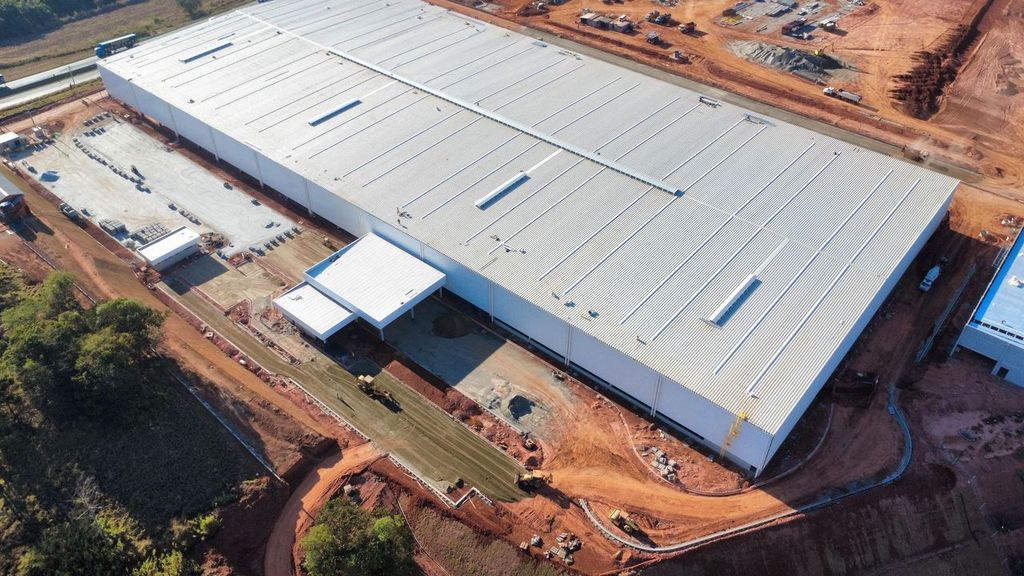
Photo: © The Logistics Experts