ID Logistics Establishes E-Fulfillment Center in Diemelstadt
25. March 2025
Fraunhofer IML and Daegu DMI Collaborate in Robotics
27. March 2025
In order to efficiently meet the increasing demands in yard logistics while ensuring comprehensive transparency, process reliability, and dependable scheduling, Würth, a leading manufacturer of fastening technology, has been relying on the intelligent transport control system SYNCROTESS from the internationally active optimization specialist INFORM since 2020. The software manages all processes related to loading and unloading, reduces manual efforts, and thus optimizes the entire yard logistics.
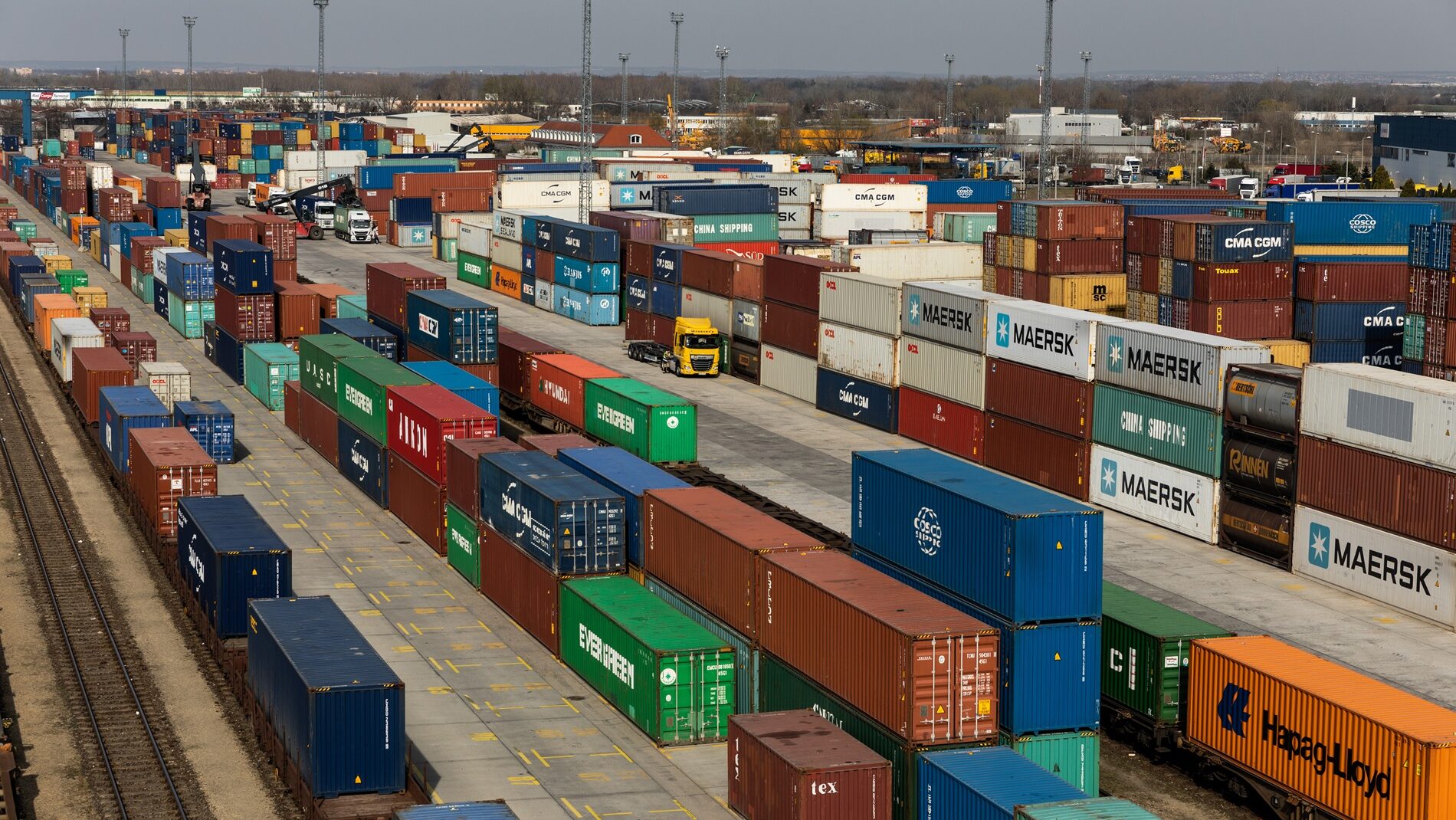
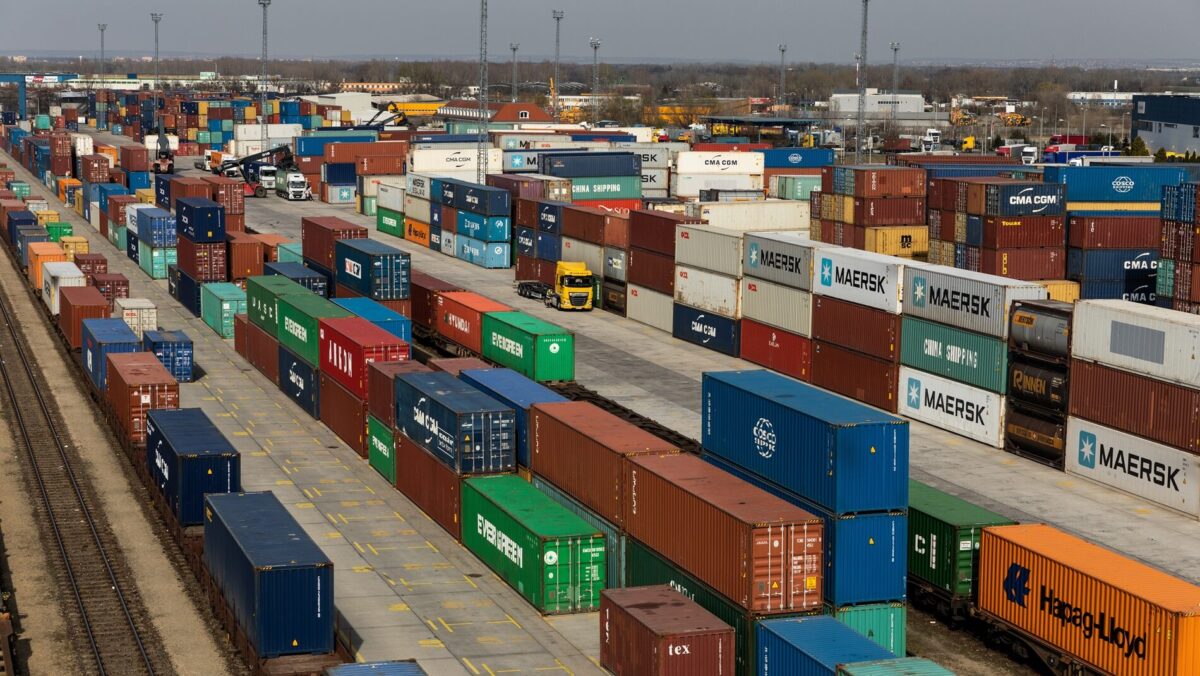
(Aachen/Künzelsau) Near the headquarters of the Würth Group in Künzelsau, Adolf Würth GmbH & Co. KG dispatches a range of over 125,000 items to customers worldwide from its three main shipping centers in Gaisbach and the central external warehouse in Waldenburg.
Every day, around 60 swap bodies and 40,000 packages leave the yard. The loaded swap bodies are prepared at several locations within a 50-kilometer radius and are coordinated for pickup by partners such as DPD, GLS, Schenker, and Dachser with precise timing by a company-owned shunting vehicle. It is particularly important to consider the daily fixed scheduled multiple departures of the individual shipping service providers. Where previously Excel, phone calls, and notes ensured management and communication between the dispatcher and the shunting vehicle, the transport control system from the Aachen software manufacturer now provides transparent management, oversight, and opportunities for error-free, effective scheduling. The previously used media did not provide a data basis for this.
Dynamic Control and Automation
The goal of the collaboration was to create complete transparency and control over the processes at the loading yard and to minimize sources of error. “We have not only managed to represent all yard processes in such a way that dispatchers can get an overview at a glance, but we have also reduced the effort so much that the task can still be handled well by one specialist per shift despite growth,” says Roman Kessler, project manager for transport control at Würth. The extensive customization options of the software were decisive for the choice of INFORM. A specific view for yard control was newly developed specifically for the application at Würth. It clearly represents the entire loading yard, three shipping centers, and external warehouses with all geographically distributed gates in a single interface – including a complete display of all loading ramps and planned departures.

Decision-Intelligent Algorithms
Thanks to the decision-intelligent algorithms of the software, dispatchers at Würth are now able to assign swap bodies to specific departures in any order via drag-and-drop or prepare them at a gate. The drivers of the shunting vehicle then receive instructions on their tablets and can report completed tasks or provide special information there. Color assignments and small symbols show dispatchers at a glance which service provider a swap body belongs to and what condition it is currently in (e.g., “planned”, “being loaded”, or “loaded”). “I think it’s brilliant how much information we can focus on in one screen view,” says Kessler. “We see all gates and all departures of the entire day’s plan grouped by transport service provider and then further sub-grouped by subcontractors.”
Today, Würth controls the departure of each individual swap body and records all relevant information in the software. The data transparency gained through SYNCROTESS forms the basis for precise control of departure times and simultaneously creates the foundation for capturing additional key figures. Würth uses this data specifically to manage logistics service providers. If a truck arrives late, for example, the system transparently documents the incident, allowing Würth to use the information directly in disruption management. This way, the company always keeps track of which goods leave the premises when and when they arrive at which service provider. Initial automation components are also integrated. For instance, the provision of suitable, empty swap bodies at specific gates is already automated when the previous one is removed. Certain collective swap body transports could also be fully automated. In this process, empty swap bodies are partially loaded at several positions and then driven to the preparation area.
Photos: © Würth