Majority Shareholder of HHLA Proposes Reduced Dividend
19. June 2025
UTA Edenred Expands UTA eCharge to Commercial Vehicle Fleets
21. June 2025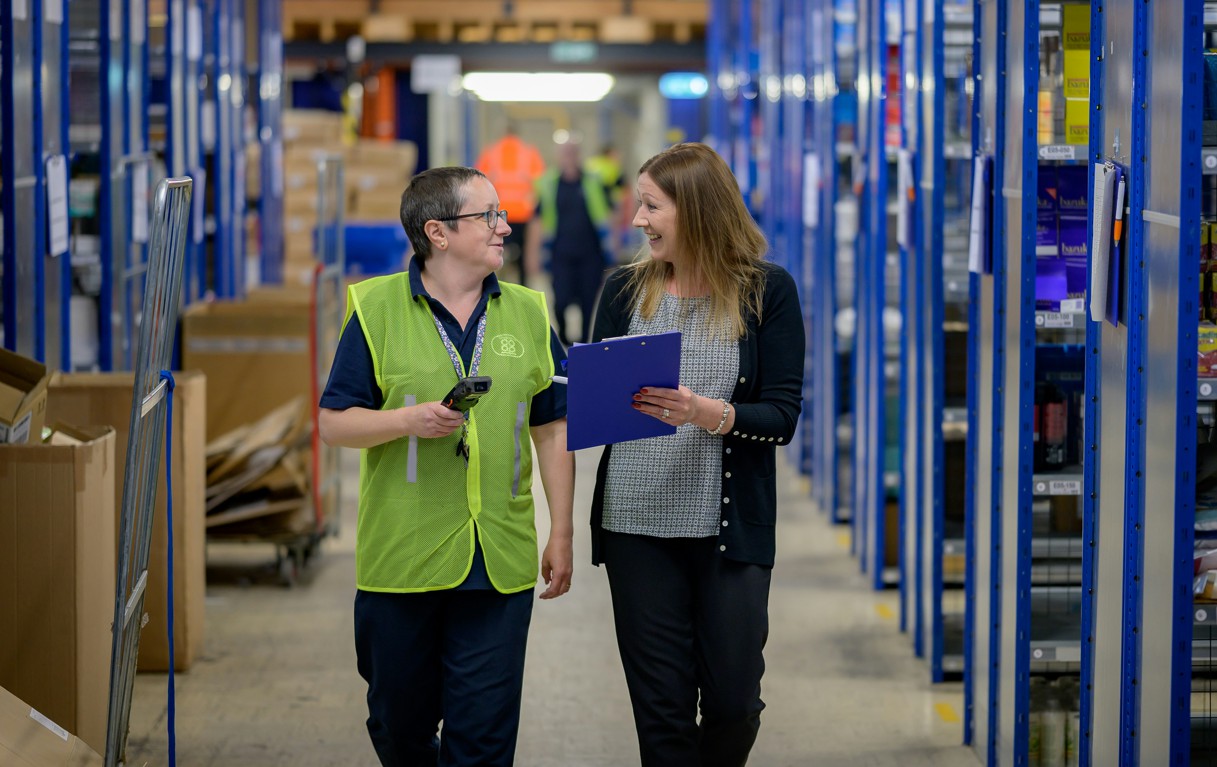
Powerfleet, a provider of Software-as-a-Service (SaaS) solutions for the artificial Internet of Things (AIoT) for mobile equipment, sheds light on the automation of warehouse processes. This is considered key to increasing efficiency and reducing costs in logistics. However, the path to a fully automated warehouse is often rockier than expected.
(Düsseldorf) Companies face numerous challenges – from technical hurdles to organizational resistance. How can modern AI solutions help overcome these stumbling blocks? And what do current studies say about it? An overview from Powerfleet.
Complex and Heterogeneous System Landscapes
Many warehouses have evolved historically. Different software systems, machines, and processes complicate the integration of new automation solutions. According to a study by McKinsey from 2023, 62% of surveyed logistics companies state that the compatibility of existing systems is the biggest hurdle to automation. However, this will change in the future, as artificial intelligence can act as a “translator” between different systems. AI-based middleware solutions analyze data streams, recognize patterns, and enable smooth communication between legacy and new systems. This allows automation solutions to be implemented more quickly and cost-effectively.
Lack of Transparency and Data Quality
Automation thrives on data – yet often this data is incomplete, outdated, or inconsistent. This complicates the optimization of warehouse processes and leads to inefficient workflows. AI-supported systems like those from Powerfleet utilize sensors and machine learning to capture and evaluate precise data in real-time. This creates a “digital twin” of the warehouse, which provides transparency and reveals optimization potential. According to a study by PwC from 2022, companies were able to reduce the error rate in inventory management by up to 40% through the use of AI.
The introduction of new technologies requires expertise that is often scarce in the labor market. According to Bitkom, Germany is facing a shortage of around 96,000 skilled workers in the field of AI and automation in 2023 alone. Modern AI solutions are increasingly “no code” or “low code,” making them accessible to non-IT experts as well. This lowers entry barriers and accelerates implementation. Warehouse logistics benefits from intuitive solutions that, thanks to AI, issue warnings to enhance safety for both people and machines in the warehouse, and create better working conditions by reducing the risk of accidents. This leads to higher employee satisfaction and longer retention in the company.
Safety Concerns and Acceptance Issues
Automation and AI do not always meet with enthusiasm. Employees fear for their jobs, and companies worry about data security and loss of control. Practical employee training for these solutions helps inform staff about the benefits and proper handling of the technology. This raises awareness of the added value for their own work, builds trust and acceptance, and reduces fears that the new technology is meant to replace them. Instead, warehouse professionals benefit from automated transport vehicles for materials and goods in their daily work and the overall safety of the operation. A study from the Fraunhofer Institute shows that companies that adopt participatory implementation concepts increase acceptance of new technologies by up to 60%.
Conclusion: Overcoming the Hurdles of Warehouse Automation with AI
The automation of warehouse processes is not a given – but with the targeted use of AI, many stumbling blocks can be cleared away. Companies like Powerfleet demonstrate how intelligent systems create transparency, optimize processes, and relieve employees. Those who proactively address the challenges and rely on modern AI solutions secure crucial competitive advantages in the logistics of tomorrow.
Photo: © Unsplash/ Centre for Ageing Better